
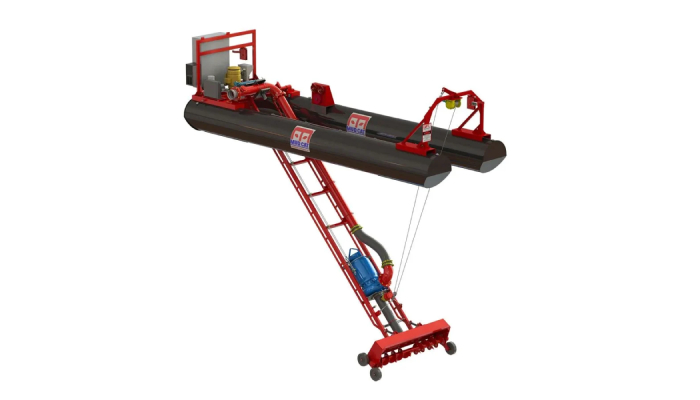
Automated dredge technology presents incredible opportunities for cost savings and efficiency. By integrating smart systems with AI, sensors, and GPS, companies can optimize dredging operations in ways that manual labor simply cannot match. For instance, reducing the need for anchor repositioning can lead to annual savings exceeding $100,000. Also, these advanced systems operate continuously, slashing downtime significantly. Innovations like variable frequency drives (VFDs) allow pumps to adjust performance based on sediment conditions, further enhancing fuel efficiency. Though initial investments may seem high, the long-term financial benefits, including reduced labor costs and regulatory compliance, make automated dredging an exciting path toward sustainable operations in various environments.
1. Understanding Automated Dredge Technology
Automated dredge technology refers to systems designed to enhance dredging operations through automation. These systems include various components such as sensors, AI, and GPS technology, which work together to optimize the dredging process. Traditional dredging often relies on manual labor for tasks like repositioning anchors and monitoring dredging depth. In contrast, automated systems operate continuously, adjusting in real-time to changing conditions, which significantly boosts efficiency. Key technologies in this field include variable frequency drives (VFDs) and high-performance pumps, both of which contribute to reduced fuel consumption and improved performance. Sensors play a vital role by providing data on sediment conditions, while AI analyzes this information to optimize dredging operations. This shift toward automation not only enhances operational safety by minimizing the need for on-site personnel but also addresses challenges like environmental compliance. Current trends indicate a growing adoption of these technologies, with major players in the market continuously innovating to overcome implementation challenges and improve system reliability. As the industry evolves, future developments may include even more sophisticated AI applications and modular systems to adapt to diverse dredging environments.
2. Key Benefits of Automation in Dredging
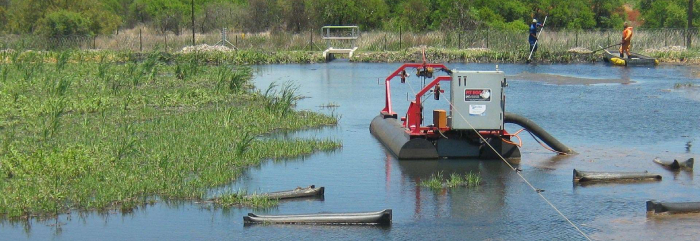
Automated dredge technology offers a treasure trove of benefits that can transform dredging operations. First and foremost, it significantly boosts operational efficiency and productivity. With automated systems, dredging can continue around the clock, minimizing downtime and maximizing output. This not only accelerates project timelines but also results in cost savings that can outweigh the initial investment in automation technology. Additionally, automation reduces human error during dredging processes. By relying on precise algorithms and sensors, projects can achieve greater accuracy in dredging depth and material removal, reducing the risk of costly mistakes.
Better resource management is another key advantage. Automated systems allow for real-time data collection and analysis, enabling teams to make informed decisions about resource allocation. This leads to smarter usage of equipment and materials, which can further drive down costs. Moreover, automation lowers maintenance costs, as systems designed for efficiency typically require less frequent repairs and servicing. This is complemented by the ability to operate in hazardous conditions with minimal risk to personnel, ensuring safety while maintaining productivity.
Fuel consumption and emissions are also reduced thanks to advancements like variable frequency drives and high-performance pumps. These innovations not only promote operational efficiency but contribute to more sustainable dredging practices, addressing environmental concerns. By minimizing environmental disruption through precise operations, automated dredging supports compliance with regulations, reducing the risk of fines and streamlining project approvals. Overall, the integration of automation in dredging is not just a trend, but a vital step toward a more efficient, cost-effective, and environmentally friendly industry.
- Increased operational efficiency and productivity
- Reduction in human error during dredging processes
- Improvement in project timelines due to faster operations
- Better resource management and allocation
- Enhanced data collection and analysis for decision-making
- Lowered maintenance costs associated with automation
- Ability to operate in hazardous conditions with minimal risk
- Increased accuracy in dredging depth and material removal
- Reduction in fuel consumption and emissions
- Contribution to sustainable dredging practices
3. Innovations Driving Cost Savings
The dredging industry is witnessing exciting innovations that are reshaping how companies save money. Cutting-edge AI technologies are now integrated into dredging systems, allowing for smarter operations that optimize dredging depth and material removal. This not only enhances productivity but also reduces operational costs significantly. Predictive maintenance is another game-changer, helping operators anticipate equipment failures before they occur, thereby avoiding costly downtime. Real-time monitoring systems provide continuous insights into the dredging process, enabling immediate adjustments that improve efficiency and reduce fuel consumption.
Moreover, advancements in eco-friendly dredging materials are making operations not just more cost-effective but also greener. Companies are increasingly adopting energy-efficient dredging equipment, which uses less power while maintaining high performance. Innovative financing models are emerging, making it easier for dredging firms to acquire these automated systems without straining their budgets. Collaborations between technology firms and dredging companies are driving these advancements, leading to the development of highly effective solutions tailored to specific needs.
Big data analytics is also playing a crucial role by providing operational insights that help optimize dredging strategies. Case studies have shown how companies that embraced these technological innovations have dramatically reduced costs and improved efficiency, proving that the future of dredging is not just about moving materials but doing so in a smarter, more sustainable manner.
4. Reducing Labor Costs with Automation
Automation in dredging not only streamlines operations but also significantly reduces labor costs. Companies that have embraced automated dredging systems report savings that can exceed $100,000 annually, largely due to fewer personnel being needed on-site. For instance, Mud Cat’s innovative lateral movement system eliminates the necessity for two full-time anchor men, showcasing a direct correlation between automation and labor cost reduction. Furthermore, analysis of labor costs before and after implementing automation reveals a clear decline in staffing needs, allowing businesses to reallocate their workforce to higher-value tasks.
The impact of automation extends beyond just financial savings. By minimizing the number of workers required for manual tasks, companies can also reduce the potential for on-site accidents, which in turn lowers associated costs like insurance and medical expenses. This shift not only improves safety but also reflects positively on workforce dynamics, as employees can focus on more specialized roles that demand critical thinking and technical skills.
However, transitioning to automated systems does require careful planning. Companies must invest in training their existing workforce to handle new technologies, ensuring that skilled labor is available for system maintenance and oversight. Success stories of organizations that effectively reduced staffing needs while enhancing operational efficiency highlight the importance of this strategic approach to workforce management. As the dredging industry evolves, the long-term implications for the labor market are profound, suggesting a future where automation and skilled labor coexist in harmony, further driving down costs and improving productivity.
5. Long-Term Financial Advantages of Automation
The financial landscape of dredging is shifting, and automated dredging technology is leading the charge. A cost-benefit analysis shows that while the initial investment in automated systems can be hefty, the projected savings over their lifespan are substantial. Companies can save millions by reducing labor costs, enhancing operational efficiency, and minimizing maintenance expenses. For instance, automation can cut annual labor costs by over $100,000 in specific applications, such as wastewater lagoon dredging.
Financing options for integrating automation are becoming more accessible, allowing businesses to embark on this transition without crippling their budgets. As project budgets become tighter, the ability to leverage automation can significantly impact profitability. Automated systems allow for continuous dredging, reducing downtime and ensuring projects are completed on schedule, which in turn leads to higher returns on investment.
Maintenance costs also tell a compelling story; automated systems typically require less upkeep compared to their manual counterparts. This reduction in maintenance not only lowers operational costs but also ensures that equipment remains in optimal condition, leading to further efficiency gains.
Moreover, automation contributes to competitive pricing in the market, allowing companies to offer more attractive rates to clients while still maintaining healthy profit margins. The economic benefits extend beyond individual companies; local communities often see job creation and economic growth as businesses thrive due to the increased efficiency and lower costs associated with automation.
Looking ahead, the financial forecasts for the dredging industry are promising. Companies that embrace automated technologies are likely to see long-term advantages, positioning themselves as leaders in a rapidly evolving market.
6. Environmental Benefits of Automated Dredging
Automated dredging technology brings a host of environmental benefits that are vital for preserving our aquatic ecosystems. One of the most significant advantages is the reduction of ecological disruption. Traditional dredging methods can cause substantial upheaval, but automation allows for precise sediment management, minimizing the disturbance to the surrounding environment. This precision not only protects delicate habitats but also enhances compliance with environmental regulations and standards, ensuring that projects meet necessary legal requirements.
Moreover, automated systems contribute to reducing turbidity, which is crucial for maintaining water quality. By carefully controlling the dredging process, these systems limit the amount of sediment that gets stirred up, allowing aquatic life to thrive without the stress of murky waters. Case studies of successful eco-friendly dredging projects demonstrate how automation has played a pivotal role in preserving local wildlife and ecosystems.
Additionally, many automated dredging systems are designed with sustainable practices in mind. For example, they often include long-term environmental monitoring capabilities, allowing operators to track the impact of dredging activities over time. Innovations aimed at enhancing environmental protection are continually being developed. These advancements not only support the ecological balance but also foster a culture of sustainability within the dredging industry.
7. Flexibility in Dredging Solutions
Modular dredging systems are revolutionizing the way projects are approached in various environments. These systems can be tailored to meet specific project needs, allowing for adjustments that optimize performance based on the unique conditions of each site. For example, a dredging operation in a small lagoon may require different equipment and configurations compared to one in a large river, showcasing the power of customizable dredging solutions.
When different technologies are integrated, dredging can be adapted for diverse applications, from environmental restoration to mining. This flexibility enhances operational efficiency, as teams can quickly switch between tasks or methods without extensive downtime. Real-world case studies reveal how companies have leveraged this adaptability to achieve remarkable results, demonstrating improved productivity and cost savings.
Moreover, the ability to make on-the-fly adjustments during operations ensures that teams can respond to unexpected challenges, such as varying sediment types or changing environmental conditions. Scalability is also a critical factor, allowing projects to expand or contract as necessary without compromising performance.
However, maintaining flexibility while automating dredging processes can pose challenges. Companies must find a balance between advanced automation and the ability to adapt to changing conditions. Future trends indicate a shift towards even more adaptable dredging technology, where systems will become increasingly responsive and versatile, paving the way for more efficient and cost-effective operations.
8. Success Stories of Automated Dredge Technology
Several companies are leading the charge in automated dredging, showcasing impressive success stories that highlight the technology’s capabilities. For example, Mud Cat Dredges has transformed wastewater treatment projects by integrating automated systems, resulting in annual savings exceeding $100,000. These systems not only cut labor costs but also enhance operational efficiency, allowing for continuous dredging with minimal downtime.
Case studies reveal the economic impact of automation across various projects. In one instance, a mining operation adopted smart dredging systems featuring AI and sensors, significantly optimizing sediment removal and reducing energy consumption. Feedback from operators has been overwhelmingly positive, noting how automation has improved safety and reduced the need for manual intervention.
Innovative projects have set new industry standards, with companies like EDDYPump showcasing modular dredging solutions that can adapt to different environments. Partnerships between technology providers and dredging companies have proven vital, enabling shared expertise and resources that drive successful implementations. A comparative analysis shows that success rates have soared post-automation, reflecting the profound benefits of these advanced systems.
Looking ahead, the future of automated dredging appears bright. Current success stories indicate a trend toward further integration of technology, ensuring that businesses considering automation can learn valuable lessons from early adopters. Key takeaways include understanding the importance of choosing the right technology and recognizing the long-term savings that automated systems can bring.
Frequently Asked Questions
What is automated dredge technology and how does it work?
Automated dredge technology is a process where machines dig and remove sediment from waterways using advanced sensors and controls. These machines operate with minimal human intervention, making them efficient and precise in cleaning up and deepening channels.
Can automated dredge technology help improve water quality?
Yes, it can! By removing excess sediment, pollutants, and debris from waterways, automated dredge technology helps restore habitats, leading to clearer water and healthier ecosystems.
How does this technology save time compared to traditional dredging methods?
Automated dredge technology can operate continuously and make quick adjustments based on real-time data, significantly speeding up the dredging process compared to manual methods that require constant supervision.
What are the environmental benefits of using automated dredge technology?
Using this technology reduces the impact on surrounding habitats by precisely targeting areas that need dredging, lowering the amount of unnecessary sediment disturbance, and promoting better recovery of aquatic life.
Is automated dredge technology safe for operators and the environment?
Absolutely! These machines are designed with safety features for operators, and their precision limits environmental disruption, making them a safer choice for both workers and marine ecosystems.