
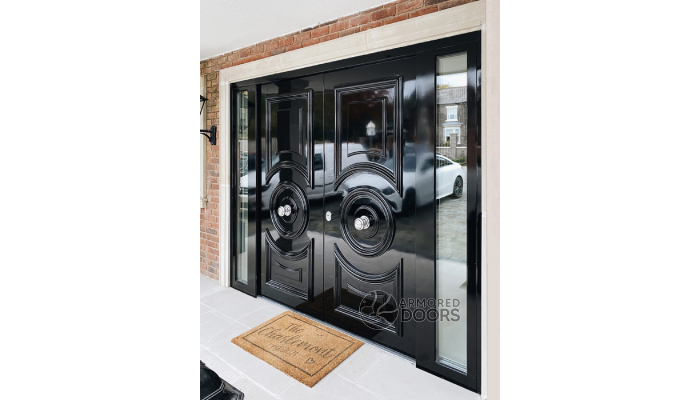
When searching for a reliable modern security door, there are several key factors to consider. First, check the material quality; genuine doors are usually made from at least 14-gauge steel or solid core construction, providing much better resistance to forceful entry. Certifications from organizations like ASTM or UL should be present too; they assure safety and quality. Don’t forget the lock quality; strong deadbolts and multi-point locks can make all the difference in keeping intruders out. Heavier doors are typically more secure because they indicate solid materials, while their finishes should resist chipping or fading. Finally, compare prices and research reviews to spend wisely.
1. Assessing Material Quality for Security Doors
When it comes to modern security door, the material quality is key to ensuring your safety. Look for doors that are made from at least 14-gauge steel or solid core materials, as these provide maximum durability and are much harder to break through. A galvanized finish or powder coating is essential too, as it helps resist rust and corrosion, which can significantly extend the lifespan of your door.
It’s also worth considering the insulation properties of the materials used. A well-insulated door not only enhances security but can also improve your home’s energy efficiency. Make sure the door has a solid core rather than a hollow construction; solid cores are far more resistant to forced entry.
Thicker doors generally offer better protection, so check the thickness before making a purchase. Multi-layer construction can bolster both strength and insulation, making it a smart choice. Additionally, look for impact-resistant materials that can withstand harsh weather conditions and deter break-ins.
Environmental certifications for the door’s material can also indicate quality and sustainability. Don’t overlook soundproofing qualities either; materials that help reduce noise can enhance your comfort and security. Lastly, ask about the manufacturing process to ensure that quality control measures are in place, which can make a huge difference in the overall durability and effectiveness of your security door.
- Look for doors made from at least 14-gauge steel or solid core materials to ensure maximum durability and resistance against break-ins.
- Consider doors with a galvanized finish or powder coating to resist rust and corrosion, extending the door’s lifespan.
- Research the insulation properties of the materials used, as this can enhance energy efficiency in addition to security.
- Verify that the door has a solid core rather than hollow construction, which offers better protection against forced entry.
- Examine the thickness of the door; a thicker door generally provides better protection and is harder to damage.
- Check for multi-layer construction, as this can improve both strength and insulation.
- Look for impact-resistant materials designed to withstand severe weather conditions as well as break-ins.
- Review any environmental certifications the door material may have, indicating it is safe and sustainable.
- Consider the soundproofing qualities of the materials used, which can provide additional comfort and security in your home.
- Ask about the manufacturing process to ensure quality control measures are in place.
2. Importance of Certifications and Standards
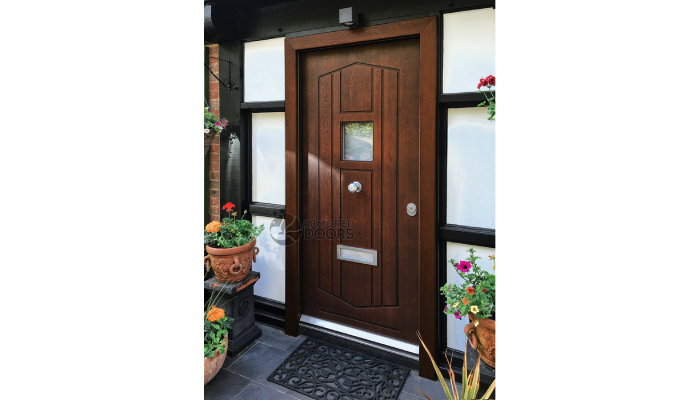
When selecting a modern security door, certifications and standards play a crucial role in ensuring you’re investing in a quality product. Look for doors that meet or exceed standards set by reputable organizations like ASTM, ANSI, or UL. These certifications are not just labels; they indicate that the door has undergone rigorous testing for fire resistance, impact resistance, and weather performance. For example, a door with a fire-resistance certification can provide peace of mind during emergencies, while impact ratings show how well it can withstand break-in attempts.
In addition to safety standards, check for energy efficiency certifications. A door with an energy efficiency rating can help you save on heating and cooling costs, making it a smart choice for your wallet and the environment. Always research whether the manufacturer complies with local building codes and regulations, as this ensures the door is suitable for your specific area.
Don’t hesitate to ask for documentation that outlines the testing methods used to achieve certifications. This verification is essential for confirming the door’s authenticity. Be wary of doors that make claims about meeting standards without any proof or appropriate documentation. Comparing certifications across different brands can also provide a clearer picture of their reliability and safety features.
Look for third-party endorsements or reviews that highlight the door’s compliance with industry standards. Higher certification levels generally correlate with better performance in real-world scenarios. Finally, if you have any doubts, consulting with professionals can help verify that the certifications are relevant to your installation requirements, ensuring you choose the best security door for your needs.
3. Evaluating Lock Quality and Mechanisms
When it comes to security doors, the quality of the locks is paramount. Start by assessing the locking mechanism. A single deadbolt might seem secure at first glance, but it often lacks the strength of a multi-point locking system, which secures the door at various points along the frame. Look for locks that have been tested for forced entry resistance; these locks are designed to withstand tampering attempts, providing you with greater peace of mind.
Enhancing security further, consider locks equipped with anti-drill plates and pick-resistant features. Brands like Medeco and Mul-T-Lock are renowned in the industry, frequently recommended by security experts for their reliability and strength. Additionally, a lifetime warranty on locks can be a sign of the manufacturer’s confidence in their durability and design.
Ease of use is also a crucial factor; locks should operate smoothly without excessive force. If you’re leaning towards modern solutions, investigate whether the locks are compatible with smart home technology, which can add an extra layer of convenience and security. Don’t forget to examine the strike plate and its installation, as a robust strike plate can significantly bolster security against forced entry.
User experiences are invaluable in this context. Real-world feedback provides insights into a lock’s reliability, so take some time to review them. For added peace of mind, consider installing supplementary locking mechanisms like slide bolts or padlocks, which can serve as an extra deterrent against intruders.
4. Understanding the Weight of Security Doors
When evaluating modern security doors, one of the most telling indicators of quality is their weight. A heavier door typically means it is made from more durable materials, which often translates to enhanced security features. For instance, a solid steel door will weigh significantly more than a hollow-core door, indicating that it can better withstand attempts at forced entry.
As you compare potential doors, pay close attention to weight differences. A substantial variation can be a clear sign of differing security levels. Also, ensure that the weight is evenly distributed; doors that feel unbalanced might have structural flaws that compromise their effectiveness.
Don’t forget to assess the frame as well. A heavy security door needs a sturdy frame to maximize its protective capabilities. Inquire about any reinforcements within the door structure that contribute to its overall weight and security. For example, additional steel plates or internal bracing can make a door even more formidable against intruders.
Interestingly, the weight of a door can also impact its insulation properties, potentially improving your home’s energy efficiency. However, keep in mind that heavier doors may require stronger hinges and additional support for smooth operation.
While weight is essential, it should not come at the expense of ease of use. Make sure the door operates smoothly and doesn’t require excessive effort to open or close. Lastly, consider aesthetics; look for doors that balance weight with design to complement your home beautifully.
5. Analyzing Design and Aesthetics
When it comes to spotting a fake modern security door, the design and aesthetics can reveal much about its authenticity. Start by examining the door’s finish; high-quality security doors boast finishes that resist chipping and fading over time, ensuring they maintain their visual appeal. Customizable options are a hallmark of genuine security doors, allowing homeowners to match the door to their unique style while enhancing essential security features.
Color options also play a vital role, as a door that complements your home’s exterior can significantly boost curb appeal. Look closely at decorative elements, such as glass inserts or panels, ensuring they are crafted from tempered glass for added security against break-ins. Assess how the door’s design integrates with your existing decor and architectural style for a cohesive look that doesn’t compromise safety.
Moreover, consider the practicality of the design; features that allow for easy maintenance and cleaning will help keep your door attractive in the long run. Pay attention to design elements that specifically enhance security, like reinforced edges or hidden hinges, which fortify the door against potential threats. Energy efficiency should not be overlooked either; insulated doors can lead to reduced heating and cooling costs, making them a smart investment. Lastly, remember that the aesthetics of the door can impact your home’s resale value, a visually appealing door can attract potential buyers. If you’re unsure, consulting design professionals can help ensure the door meets both aesthetic and security requirements, making your home both beautiful and safe.
6. Importance of Professional Installation
When it comes to modern security doors, professional installation is key to ensuring your door works as intended. Start by discussing your specific security needs with the installer. This conversation will help tailor the installation for maximum effectiveness, ensuring that the door is not just a pretty face but a strong barrier against intruders. Proper alignment is crucial; a well-fitted door should close securely and function smoothly. An improperly installed door can leave gaps that compromise its security features.
Make sure the installer uses the right materials and techniques for your door type and frame. Ask them about the installation process, reliable installers will be open and provide clear, detailed information. Don’t hesitate to inquire about additional reinforcement options, such as securing hinges or adding extra locks for enhanced protection.
Experience matters, so choose an installer with a strong background in security doors. Their specialized knowledge can lead to better installation results. After the installation, request a thorough inspection to ensure everything meets safety standards.
Follow-up support is also important; a reputable installer should be available for any questions or adjustments post-installation. Finally, consider a warranty on the installation work, this adds an extra layer of peace of mind for any future issues. Checking customer reviews can also help you gauge the reliability and quality of the installer’s work. Investing in professional installation is just as crucial as the quality of the door itself.
7. Warranty and Support Considerations
When choosing a modern security door, the warranty and support should not be overlooked. A solid warranty that encompasses both parts and labor can save you from unexpected repair costs down the line. It’s crucial to understand the specifics of the warranty, including what it covers and the duration of that coverage. Research the manufacturer’s reputation for handling warranty claims; a company known for being responsive can provide immense peace of mind.
Additionally, you might want to check if the warranty is transferable. This feature can add value to your home if you decide to sell, making it more attractive to potential buyers. Always inquire about exclusions that may affect your warranty coverage, such as damage from certain weather conditions or improper installation.
Customer support is another vital aspect to consider. A manufacturer with excellent customer service can be invaluable after your purchase, ensuring you have assistance when you need it most. Online customer feedback can offer insights into how well a company handles warranty issues, so take the time to read those reviews.
Also, ask about any maintenance recommendations that could impact the warranty’s validity. Following proper maintenance can keep your warranty intact, offering you long-term security. If you’re looking for even more coverage, consider extended warranty options that can enhance your peace of mind beyond the standard period. Ultimately, understanding how the warranty aligns with your long-term security needs can greatly boost your confidence in the product.
8. Price Comparison Tips for Security Doors
When shopping for security doors, gathering quotes from multiple retailers is essential. This helps you understand the market price for doors with similar features. Be cautious of prices that seem too good to be true, as they often indicate lower quality materials or construction. Think about long-term costs too, like energy efficiency and maintenance, when evaluating price. Seasonal sales from reputable manufacturers can offer significant savings, so keep an eye out for those opportunities.
Also, consider researching financing options for higher-end security doors, making them more accessible. While comparing prices, look at the total cost of ownership, which includes installation, maintenance, and potential upgrades over time. Ask about rebates or incentives for energy-efficient doors, which can help offset costs. It’s also vital to review the features included at each price point to ensure you’re getting good value for your investment.
Be wary of hidden fees that might be added during installation or shipping, so always clarify costs upfront. Lastly, consulting with specialists can help you determine if a higher price correlates with better security features, ensuring you make the best choice for your home.
9. Researching User Reviews and Expert Opinions
When it comes to choosing a modern security door, researching user reviews and expert opinions can be a game changer. Start by checking trusted third-party websites where unbiased customer feedback can be found. These reviews often reveal real experiences and can help you gauge the door’s performance in everyday situations. Participating in online forums or community discussions is another great way to gather insights; here, homeowners share their firsthand experiences, giving you a clearer picture of what to expect.
Don’t overlook the value of expert reviews. These insights usually offer a deeper analysis of various security doors, highlighting their features and potential drawbacks. It’s wise to consider both the positive and negative feedback to get a balanced view. If you hear consistent complaints about a specific aspect of a door, it could indicate a significant issue that you should be wary of.
Additionally, asking friends and family for recommendations can lead you to reliable options based on personal experiences. You might even find product comparisons that outline the pros and cons of different brands and models, making your decision easier. Keep an eye on the frequency of any issues mentioned in reviews; if multiple users report the same problem, that’s a red flag.
Also, look for any industry awards or recognitions that the door or its manufacturer may have received. Such accolades can serve as indicators of quality and performance. Another helpful tip is to check if the manufacturer actively engages with customers online; good customer support can greatly enhance your overall satisfaction with the product. Lastly, don’t forget to look at the dates of the reviews you read. More recent feedback is likely to reflect any changes in quality or customer service, helping you make the most informed decision possible.
10. Common Signs of Fake Security Doors
When searching for a security door, there are several signs that can help you identify a fake. Start by inspecting the overall build quality; if the door feels flimsy or light, it’s likely not made from substantial materials. Genuine security doors are constructed from high-quality materials, such as at least 14-gauge steel. Next, check for missing certifications or labels, as authentic doors typically display these, indicating they meet safety standards.
Pay attention to the locking mechanisms; inadequate locks that can be easily bypassed are a major red flag. Look for doors that offer multi-point locks and deadbolts, which provide better security. Additionally, assess how well the door fits within its frame. If you notice poor alignment, this can signal inferior construction.
Examine the door’s surface for scratches, dents, or low-quality finishes. These signs can indicate a counterfeit product. Research the manufacturer’s credibility, as unknown brands may be associated with fake doors. Be cautious of prices that are significantly lower than those of established brands, which often points to inferior quality.
Another sign of a fake door is the absence of a warranty or support options. Reputable manufacturers stand behind their products and offer robust warranties. Additionally, check for industry-standard ratings, such as forced-entry ratings, which fake doors often lack. Lastly, consulting with professionals can provide valuable insights; they can help you identify signs of a fake door based on their expertise. By being vigilant and thorough, you can confidently choose a genuine security door.