

Spotting a real vintage leather messenger bag is an adventure in itself. First, check the label; true leather should be marked as “full-grain” or “top-grain” rather than just “genuine.” Next, take a good look at the edges and grain patterns, real leather will have rough edges and unique imperfections, unlike perfectly smooth synthetic alternatives. The touch test is essential; genuine leather feels soft and slightly stretchy with a distinct texture. Don’t forget to perform the smell test, authentic leather exudes an earthy aroma while faux has that plastic scent. Lastly, observe the construction: quality stitching, sturdy hardware, and shape retention are key indicators of authenticity. Keep these tips in mind to ensure your purchase is not just stylish but also genuinely vintage!
Perform the Touch Test
When it comes to identifying a genuine vintage leather messenger bag, the touch test is one of the most telling methods. Genuine leather has a warm, supple feel, inviting you to run your fingers over its surface. In contrast, faux leather can feel cool and stiff, lacking that cozy touch. As you explore the bag, notice the unique texture; authentic leather boasts natural variations and slight imperfections, while imitation leather tends to be overly smooth and uniform.
Squeeze the leather gently: real leather should spring back quickly to its original shape, demonstrating its durability. Pay attention to how it feels against your skin; genuine leather is breathable and comfortable, unlike the often rigid feel of synthetic alternatives. Flexibility is another key indicator; authentic leather is pliable, allowing you to manipulate it easily.
Look closely for visible creases, real leather develops these naturally over time, adding character to the bag. As you touch different areas, you’ll find that authentic leather exhibits varying textures, making each piece unique. If you can, compare it to a known genuine leather item; the difference will be palpable.
Lastly, assess the thickness of the material. Real leather is usually thicker compared to synthetic options, giving it a more robust and quality feel. Remember, the touch test is not just about what you feel, but also about how it makes you feel, embracing the authentic nature of a vintage leather messenger bag.
- Genuine leather feels supple and warm to the touch, while faux leather feels cool and stiff.
- Run your fingers over the surface; authentic leather has a unique texture with natural variations.
- Squeeze the leather; real leather should return to its original shape quickly.
- Pay attention to how it feels against your skin; genuine leather is more comfortable and breathable.
- Check for flexibility; authentic leather is pliable and easy to manipulate.
- Notice any visible creases; real leather develops creases naturally over time.
- Touch different areas; authentic leather will have varying textures in different spots.
- If possible, compare it to known genuine leather items to feel the difference directly.

Conduct a Visual Inspection
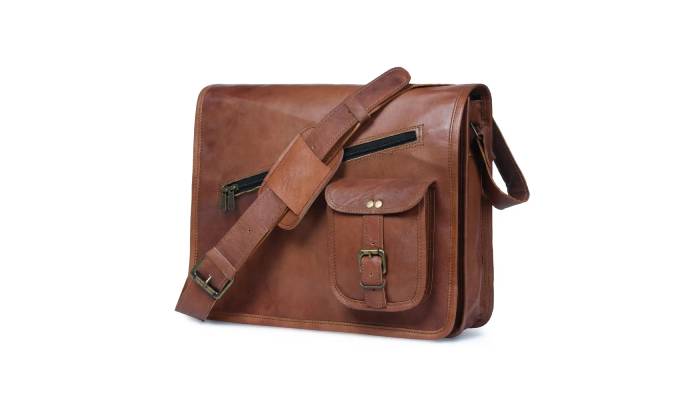
Start by closely examining the edges of the bag. Authentic leather often has a rugged, coarse appearance, while faux leather typically features smooth, perfect edges. Next, look for natural marks or scars on the leather; these imperfections add character and authenticity that cannot be replicated. Genuine leather also showcases color variations, emphasizing its uniqueness. Pay attention to the finish as well; real leather tends to have a matte finish rather than a glossy one, which is a hallmark of synthetic materials.
Signs of wear are another important indicator. Vintage bags should show signs of use, which contributes to their charm and story. Inspect the overall shape of the bag, authentic leather maintains its structure well over time, while faux leather may sag or lose form. Inconsistencies in texture can also signify authenticity, as genuine leather will have a variety of textures that feel natural.
Additionally, be on the lookout for any discolorations that may suggest the leather has been treated with dyes or chemicals, which can indicate it’s not genuine. Finally, ensure the bag lacks a plastic-like sheen, a common giveaway of faux leathers. Evaluating the overall craftsmanship is crucial too; real leather bags are crafted with meticulous attention to detail, reflecting quality that stands the test of time.
Use the Smell Test
To truly assess whether a vintage leather messenger bag is authentic, the smell test is a must. Close your eyes, take a deep breath, and inhale. Real leather has a rich, earthy aroma that is warm and inviting. If the bag gives off a chemical or plastic scent, it is likely not genuine leather. Be wary of strong perfumes or artificial scents; they might be used to mask the true smell of the material. With time, the scent of genuine leather evolves, developing a character that tells its story. For a reliable comparison, sniff other leather products to pick up on that distinctive scent. Remember to check the interior lining too; it should carry the same natural leather smell. Avoid bags with synthetic linings that could emit unpleasant artificial odors. A consistent smell throughout the bag is crucial; if only certain areas smell like leather, that’s a red flag. Watch out for any unpleasant odors, which may indicate poor craftsmanship or subpar materials. The smell of authentic leather is more than just a fragrance; it’s an experience that sets the tone for quality.
Try the Water Test
The water test is a simple yet effective way to determine if a leather messenger bag is genuine. Start by finding a discreet spot on the bag and placing a drop of water there. If the water is absorbed quickly, you are likely dealing with real leather. Genuine leather has natural fibers that soak up moisture, while synthetic materials tend to repel it. If you notice the water beading on the surface, that could indicate a synthetic coating. Watch closely: genuine leather may darken temporarily when wet but will return to its original color once it dries. If the water lingers on the surface for too long, it suggests that the bag may not be authentic. Always conduct this test cautiously to avoid damaging the bag, and ensure it has not been treated with waterproofing agents that could skew your results. Remember to test in a small, non-visible area to prevent any potential stains. Keep in mind that different leather types have varying levels of water resistance, so if you’re uncertain about the results, consult with an expert before making a final decision.
Evaluate Hardware Quality
When it comes to vintage leather messenger bags, the hardware can tell you a lot about the bag’s quality. Start by inspecting zippers, clasps, and buckles closely. They should operate smoothly and feel substantial in your hand. High-quality leather bags often feature metal hardware, while cheaper alternatives may use plastic, which can compromise both look and durability. Look for signs of rust or tarnish on metal pieces, as these can indicate poor quality.
Check that all hardware is securely attached and doesn’t wobble or feel loose. The finish on metal should be robust; it should not peel or chip easily. Weight is also a key factor; genuine metal hardware tends to be heavier than plastic, giving the bag a more substantial feel.
Don’t overlook engravings or brand markings on the hardware, as they can indicate authenticity and craftsmanship. Test closures to ensure they function well without catching or jamming. Pay attention to the design of the hardware; it should complement the overall aesthetic of the bag and not seem out of place.
If you have the chance, compare the bag with known authentic pieces to gauge the hardware quality. This simple step can be a game changer in spotting a genuine vintage leather messenger bag.
Consider the Price Point
When hunting for a genuine vintage leather messenger bag, the price tag can be your best friend or your worst enemy. Start by researching market prices for similar bags to establish a baseline. If you come across a bag that’s significantly lower in price, tread carefully, as it often signals a counterfeit. Remember, the rarity and quality of vintage leather bags can drive their prices up, so be prepared to invest a bit more for authenticity.
If you find a deal that seems too good to be true, it probably is. Instead, look for sales or discounts from reputable sellers rather than deep discounts from unknown sources. High-quality leather is an investment, so consider the craftsmanship and materials used in the bag. A well-made bag from a respected brand will typically carry a higher price due to its reputation and history.
When browsing auction sites, be cautious, as prices may not reflect true value, always assess if the price aligns with the bag’s condition and age. Additionally, higher-priced items often come with guarantees or warranties, offering peace of mind about your purchase. Ultimately, remember that authenticity comes at a price; valuing genuine craftsmanship is crucial to finding the perfect vintage leather messenger bag.
9. Observe Condition Over Time
Monitoring how a vintage leather messenger bag wears with time can reveal its authenticity. Real leather develops a stunning patina, enriching its character and making it unique. As you use the bag, watch for signs of cracking or peeling, which are typically found in synthetic materials. Genuine leather maintains its shape and structure over years of use, while also becoming softer and more flexible, adding to its charm.
Examine the stitching and hardware; they should remain intact and functional, showcasing quality craftsmanship. Pay attention to any discoloration; authentic leather ages gracefully, often adding depth to its appearance. Regular care is essential for maintaining its beauty, and observing how the leather responds to your efforts can also be telling.
Comparing your bag with other vintage leather items can help you see how they have aged, providing valuable context. Be cautious of bags that deteriorate quickly, as this often indicates poor quality. Always remember, the condition of a leather bag can tell a compelling story of authenticity and craftsmanship.
10. Caution with the Burn Test
The burn test can be a tricky method for confirming leather authenticity, and it should be your last resort, as it can cause damage to the bag. If you decide to proceed, make sure to use a small, inconspicuous area to minimize any potential harm. When performed correctly, genuine leather will smolder and emit a scent reminiscent of burnt hair, while faux leather tends to ignite quickly and release a chemical smell. Remember to prioritize safety during this test, as burning materials can produce harmful fumes. It’s best to conduct this test in a controlled environment, away from flammable items. Keep in mind that different treatments and finishes can alter the smell of leather, so not all genuine leathers will have the same scent. Avoid testing particularly valuable or rare bags, as the risk of damage outweighs the benefit. If you have any doubts about the bag’s authenticity, it’s wise to consult a professional instead of risking its integrity. Also, be aware that some leather types are treated with chemicals that may affect their burn characteristics, further complicating the test.
11. Assess Overall Structure
When evaluating a vintage leather messenger bag, the overall structure is a key factor to consider. Start by examining the bag’s shape; authentic leather bags typically have a defined structure that stands the test of time. You should look for stiffness in the sides and base. Genuine leather maintains its form, while faux leather often feels flimsy or can sag under its own weight. Reinforcement at stress points is another telltale sign, as real leather bags usually exhibit additional stitching or layering where the straps attach to the body, enhancing durability.
Next, observe how the bag sits when placed down. Quality leather bags should stand upright without collapsing, a characteristic that speaks to their craftsmanship. Pay attention to the weight as well, genuine leather is denser and thus heavier than synthetic alternatives, which often feel light and insubstantial. A solid base is also essential; a sturdy bottom signifies real leather craftsmanship.
Symmetry is important too; real leather bags exhibit balanced proportions and design that catch the eye. Additionally, look for internal support, as many high-quality leather bags include frames or structures that help maintain their shape. Finally, evaluate the quality of the lining; authentic bags often feature high-quality fabrics or leather linings that complement the exterior beautifully. The thoughtful placement of hardware, which should be functional yet stylish, can also indicate the quality of the bag. All these factors combined will help you determine if the bag is truly a vintage gem.
12. Test Absorbency of the Leather
To truly identify a genuine vintage leather messenger bag, testing the absorbency of the leather can be a revealing step. Start by performing a simple water drop test: place a few drops of water on the surface. If the leather is real, it should absorb the water quickly, showcasing its natural properties. Watch closely as the water spreads; authentic leather allows moisture to penetrate, while faux leather will repel it completely. After the test, feel the texture, real leather may feel slightly damp initially, but it won’t stay wet for long.
Another key indication is color change. When wet, genuine leather often darkens slightly, giving a clear sign of its absorbent nature. Pay attention to how quickly it dries, too; authentic leather will dry naturally without hardening, while synthetic materials may become stiff. If you find that a bag consistently repels water, this may signal that it’s made from synthetic materials.
Keep an eye on any staining that may occur. Real leather might show some water marks, which are generally easy to condition out, whereas faux leather can stain permanently. Make sure to conduct these tests discreetly to avoid damaging the bag during your inspection. It’s also wise to research the specific type of leather used, as some varieties are more absorbent than others. Lastly, be aware of any chemical treatments, as some faux leathers are designed to mimic the absorbency of real leather but will not respond in the same way.
13. Finding Handcrafted Vintage Leather Bags
Finding a real vintage leather messenger bag can be an exciting treasure hunt! Start by exploring local artisan shops, where many talented makers proudly sell their handcrafted bags. These artisans put a lot of care into their work, making it easier to find unique pieces that stand out. Don’t forget to check online marketplaces that focus on vintage items, as they often have one-of-a-kind leather bags that you won’t find anywhere else.
Attending leather fairs or craft shows is another fantastic way to discover handcrafted goods. These events showcase the incredible skills of local artisans, and you might just stumble upon a gem that catches your eye. If you’re interested in connecting with fellow vintage leather enthusiasts, consider joining online forums or groups. Members often share valuable tips on where to find authentic bags and may even post their latest finds.
Look for labels or stamps that indicate the maker on the bags you find. Reputable artisans usually ensure their products are marked with their brand or signature, which adds to the bag’s authenticity. It can also be helpful to learn about well-known brands that specialize in handcrafted leather; this knowledge can lead you to quality options.
Don’t overlook second-hand stores or thrift shops, as many vintage treasures can be found at reasonable prices. Estate sales or auctions can also be treasure troves for vintage leather lovers, offering unique pieces with history. Lastly, networking with local leatherworking communities can be beneficial; artisans often have leads on where to find quality handcrafted items. Keep an eye out for restoration services as well, since some artisans restore vintage bags, giving you the chance to own authentic pieces that have been lovingly cared for.
Frequently Asked Questions
What materials should I look for in a real vintage leather messenger bag?
A genuine vintage leather messenger bag is usually made from top-quality cowhide or goat leather. Look for a soft, supple feel, and check that it has a natural grain pattern instead of a perfectly smooth surface.
How can I tell if the stitching is authentic and durable?
Real vintage leather bags often have handmade stitching. Check for even, tight stitches that are not loose or fraying. If the stitching looks machine-made, it might not be genuine vintage.
What signs indicate that a leather bag is truly vintage?
Look for signs of aging, like slight creasing and natural patina on the leather. Authentic vintage bags may have a few marks or scratches that tell a story, which adds to their charm.
Are there specific brand names that indicate quality in vintage leather messenger bags?
Yes, you can look for well-known brands like Saddleback Leather, Fossil, or Coach. These brands have a reputation for quality craftsmanship and timeless designs.
How do I recognize a fake leather bag when shopping for vintage styles?
A fake leather bag will often feel plastic-like or too stiff. Pay attention to the smell, as real leather has a distinct scent. If it smells like chemicals, it’s likely fake.
TL;DR Discover how to spot a genuine vintage leather messenger bag with our essential guide! Start by checking the label for quality terms like ‘full-grain’. Next, conduct a visual inspection for edges and grain patterns, perform the touch and smell tests, and try the water test to evaluate absorbency. Don’t overlook hardware quality, overall structure, and price point. Remember, real leather ages beautifully, while faux leather deteriorates quickly. Finally, proceed with caution if considering the burn test. Use these tips to enhance your shopping experience and ensure you’re getting an authentic piece!