

Starting speech therapy for adults in Varanasi can feel overwhelming, but it doesn’t have to be. First, it’s essential to understand what speech therapy involves: helping individuals improve their communication skills and address issues due to strokes or neurological disorders. If you think you might need support, consult a qualified speech-language pathologist; they can assess your needs and create a personalized plan. Therapy sessions may occur in clinics, hospitals, or even at home for added comfort. Finally, remember that costs vary widely so it’s smart to check local resources like Practo or Justdial for finding suitable therapists in your area.
Understanding Speech Therapy for Adults
Speech therapy in varanasi, also known as speech-language pathology, is a specialized treatment aimed at improving communication skills and addressing speech, language, and swallowing disorders in individuals of all ages. It plays an essential role for adults facing difficulties due to medical conditions like strokes, neurological disorders, or developmental delays. The therapy is focused on a range of skills, including articulation, fluency, and voice quality. In addition to these, therapists may also work on cognitive-communication skills such as problem-solving and memory, which are crucial for effective daily interactions. Each therapy session typically includes various exercises and activities designed to build these skills, along with constructive feedback from the therapist. Individualized plans are created after thorough assessments, ensuring that each person’s unique needs are met. Technology can enhance the process, with apps and software providing additional practice opportunities. Involving family members can reinforce learning at home, making it easier for individuals to generalize their skills in everyday situations. The ultimate goal of speech therapy is to empower individuals to communicate effectively, leading to improved social interactions and increased confidence.
 Identifying the Need for Speech Therapy
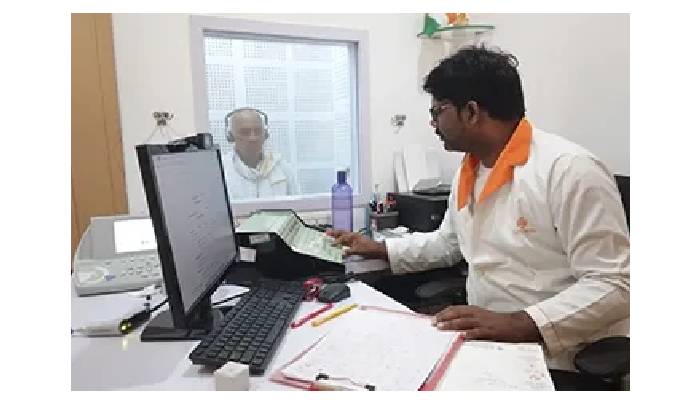 Identifying the Need for Speech Therapy
Recognizing when someone might need speech therapy is essential for timely intervention. Look for signs like difficulty speaking clearly or understanding language. If you notice changes in speech following a stroke or any neurological event, it’s crucial to seek help. Additionally, swallowing difficulties, such as choking or coughing during meals, can also indicate a need for therapy. Social withdrawal due to communication issues is another red flag, as is frequent frustration during conversations. Changes in voice quality, such as hoarseness, may require evaluation as well. If previous therapies have not led to improvement, reassessing the situation is necessary. Aging can impact communication skills, so consider this factor. Cognitive decline can also affect language use, making it vital to evaluate these changes. Often, family observations provide valuable insights into communication challenges and can guide you in deciding whether to pursue therapy.
Initial Steps to Begin Speech Therapy
To start speech therapy, the first step is to gather information about local speech-language pathologists (SLPs) in Varanasi. You can search online or ask for recommendations from healthcare providers. Once you have a few options, schedule an initial consultation to discuss your concerns and symptoms with the SLP. It’s helpful to prepare a list of specific goals you want to achieve during therapy, as this will guide the sessions and help the therapist understand your needs better.
Make sure to bring any relevant medical history or documentation to your first appointment. This includes previous diagnoses, treatments, or any other issues related to your speech or language. During the initial meeting, ask the SLP about the assessment process and what you can expect during evaluations. Understanding their experience and approach to therapy can also give you confidence in their methods.
It’s important to check whether a referral is needed for insurance coverage to avoid unexpected costs. Consider the logistics of your therapy sessions, such as the location of the therapist’s office and the appointment times that work best for you. During these early discussions, clarify the duration and frequency of therapy sessions. Establishing open communication with your therapist from the beginning will help create a supportive environment for your progress.
Setting Up Therapy Sessions
Choosing the right location for therapy sessions is essential. You can opt for a comfortable home setting or visit a clinic, depending on what feels best for you. It’s important that your therapist offers a structured yet flexible plan tailored to your specific needs. Regularly reviewing and adjusting your therapy goals based on your progress will help keep you on track and motivated. Don’t hesitate to discuss any concerns or preferences about the therapy setting with your therapist. Additionally, inquire about any materials or resources you may need for the sessions, as this can enhance your experience.
If attending in person is challenging, consider using technology for remote sessions, which can provide more flexibility. Make sure your therapist’s schedule aligns with your personal commitments to ensure consistency in attending sessions, as this is crucial for achieving optimal results. Encouraging a supportive environment during therapy can also lead to better outcomes, so invite family members to participate if it feels appropriate. Remember to set realistic expectations and celebrate small achievements along the way. This journey takes time, but maintaining consistency and positivity will help you make significant progress.
Home-Based Therapy Benefits
Home-based therapy offers numerous advantages for adults seeking speech therapy. First, it creates a comfortable and familiar environment, which can significantly reduce anxiety. This is especially beneficial for older adults or those with disabilities who may feel more at ease at home. Additionally, family members can take part in the therapy sessions, allowing them to observe exercises directly and support practice outside of formal sessions. This involvement can help reinforce new skills and encourage consistent practice.
Flexibility is another key benefit, as home therapy allows for scheduling around daily routines, making it easier to fit sessions into busy lifestyles. It also alleviates transportation challenges, saving both time and costs associated with traveling to therapy locations. Therapists often tailor their strategies to the home environment, providing personalized exercises that can be easily integrated into daily life. Moreover, they may offer resources for individuals to continue their practice between sessions, promoting better learning and retention.
Cost Considerations for Speech Therapy
The cost of speech therapy in Varanasi can vary significantly, generally falling between ₹500 to ₹2,500 per session. This price range is influenced by factors such as the therapist’s experience and the location of the sessions. For instance, home-based therapy might have different rates compared to traditional clinic visits, often reflecting the convenience and personalized attention provided. It’s important to check whether your insurance covers speech therapy; this might require specific documentation or a referral from a healthcare provider. If the costs seem high, ask about payment plans or sliding scale fees that could make therapy more affordable. Keep in mind the total number of sessions you might need for effective treatment, as this can lead to higher overall costs. Regular assessments, which are often necessary to monitor progress, can also add to expenses. Additionally, look for community resources or non-profits that may offer subsidized services to help ease financial burdens. Finally, be aware of cancellation and rescheduling policies, as they may incur fees. Don’t forget to budget for any extra materials or tools that your therapist might recommend, as these can also contribute to the total cost of therapy.
Finding Qualified Therapists in Varanasi
To find qualified therapists in Varanasi, start by using online platforms like Practo and Justdial. These sites offer comprehensive listings of local speech therapists, allowing you to easily compare options. Pay close attention to reviews and ratings, as they can provide valuable insights into the experiences of others. Additionally, consider asking healthcare providers or support groups for recommendations, as they may know reputable therapists with specific experience in adult speech therapy.
When evaluating potential therapists, verify their credentials to ensure they are licensed and qualified. Inquire about their approach to therapy and the techniques they use, as this can greatly impact your progress. Some therapists may offer free initial consultations, which can be a great opportunity to see if their style aligns with your needs.
It’s also important to consider their availability for both in-person and online sessions, especially if you prefer one over the other. Contact multiple therapists to compare their services and costs, ensuring you choose one that meets your budget and requirements. Finally, effective communication is key, so look for therapists who listen to your concerns and understand your personal goals.
- Use online platforms like Practo and Justdial to find local therapists.
- Check reviews and ratings for therapists in Varanasi before choosing.
- Ask for recommendations from healthcare providers or support groups.
- Look for therapists with specific experience in adult speech therapy.
- Verify their credentials and whether they are licensed.
- Inquire about their approach and techniques used in therapy.
- Consider therapists who offer free initial consultations.
- Evaluate their availability for in-person and online sessions.
- Contact multiple therapists to compare services and costs.
- Seek therapists who communicate effectively and align with personal goals.
Ongoing Evaluation and Adjustment
Ongoing evaluation is essential in speech therapy to ensure that progress is being made and challenges are addressed. Regularly revisiting therapy goals helps both the therapist and the individual assess what is working and what might need tweaking. Maintaining open communication with the therapist about any concerns can lead to more effective adjustments. Scheduling periodic re-evaluations allows for the therapy plan to be adapted based on the individual’s evolving needs. Feedback from family members can provide valuable insights into observed changes, which can motivate the individual and keep them focused on their goals.
It’s important to document progress throughout the therapy process, as this not only helps track improvements but also serves as a source of motivation. Being willing to adjust the frequency or intensity of therapy sessions based on needs is crucial for achieving the best outcomes. Discussing any barriers to implementing therapy strategies at home is also key; this helps identify what might be hindering progress and allows the therapist to offer solutions. If progress stalls, considering additional resources or referrals can provide new avenues for improvement. Collaborating with the therapist to explore new techniques or tools can lead to fresh perspectives and enhanced effectiveness in therapy. Staying committed to the therapy process ultimately paves the way for success.
Community Resources and Support
Community resources can greatly enhance the experience of adults starting speech therapy in Varanasi. Local support groups provide a welcoming space for individuals undergoing similar challenges. These groups often share experiences and coping strategies, creating a sense of belonging. Participating in community events that focus on communication skills can also be beneficial. Engaging in workshops or seminars led by speech professionals allows for valuable learning opportunities, where adults can gain insights and practical tips.
Connecting with local health organizations can provide additional resources and referrals to therapists or programs. Online forums and social media groups offer platforms for sharing experiences and gaining encouragement from others who understand the journey. Educational materials, such as guides and books on speech therapy, are often available at libraries or community centers, serving as helpful references.
Volunteering in programs that support individuals with communication challenges can also be a rewarding way to deepen one’s understanding of speech therapy. It creates a chance to network with others who have navigated similar paths, fostering a community of support and encouragement. Additionally, local universities might offer workshops or free consultations, which can serve as a resource for those seeking more information or assistance.
Frequently Asked Questions
What are common signs that someone might need speech therapy as an adult?
Common signs include difficulty speaking clearly, problems finding the right words, trouble understanding conversations, or changes in voice quality.
How can I find a qualified speech therapist in Varanasi?
You can start by asking your doctor for recommendations, searching online directories, or contacting local healthcare facilities for information.
What can I expect during my first speech therapy session?
During your first session, the therapist will likely conduct an evaluation to understand your challenges, discuss your goals, and create a personalized treatment plan.
How long does speech therapy usually take for adults?
The duration of speech therapy can vary based on individual needs, but many adults may attend sessions for several weeks to a few months before seeing significant improvements.
Are there specific exercises I can do at home to support my speech therapy?
Yes, your therapist may provide simple exercises like practicing sounds or reading aloud, which can help reinforce what you learn during sessions.
TL;DR This guide outlines how to start speech therapy for adults in Varanasi. It covers understanding speech therapy, identifying the need for it, and initial steps to begin including consulting a specialist. The post details setting up therapy sessions, with options for home-based therapy offering comfort and family involvement. It also discusses cost considerations and finding qualified therapists using local listings. Regular evaluations ensure progress, complemented by community resources for further support.