
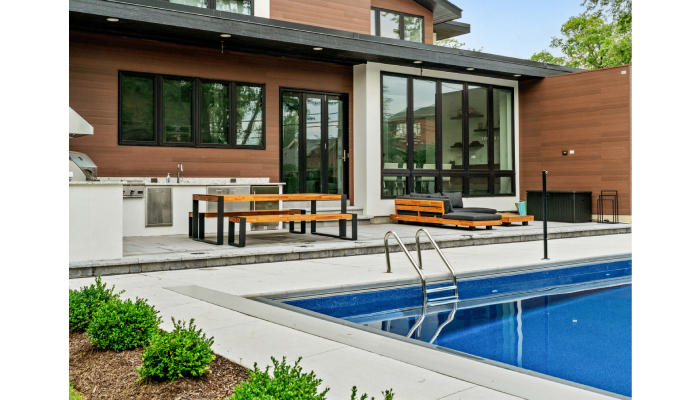
Starting your Florida custom home design project can be an exciting adventure! Begin by clarifying your vision and goals. Think about what you love in your current space and any changes needed for the future. Next, enter the Dream & Design phase, this is where you work with architects to turn those ideas into reality, ensuring features like natural light and storm readiness are included. Budgeting is key; know costs per square foot and consider additional expenses like landscaping. Selecting a lot that fits your lifestyle matters too. Finally, partner with experienced professionals who understand local codes to navigate this rewarding yet complex journey efficiently.
1. Understanding the Custom Home Building Process
Starting your Florida custom home designs building journey is all about embracing your vision and dreams. Begin by assessing your current living situation: what do you love about your home, and what could be improved? Think about your future too. For example, if you’re planning for a growing family, you might want extra bedrooms or a spacious play area. Also, consider your lifestyle needs, like a dedicated home office if you work from home.
Next, it’s essential to understand the various phases involved in the design process. The initial phase, often referred to as the Dream & Design Phase, is where you collaborate with architects to shape your vision. Focus on elements like natural light and outdoor living spaces, which are perfect for Florida’s climate. Additionally, make sure to incorporate storm-ready features to keep your home safe.
Budgeting is another critical step. Work closely with your builder to set a realistic budget that encompasses everything from land costs to permitting fees and construction expenses. A solid budget helps avoid surprises down the road.
Finding the right builder is crucial too. Look for someone who knows Florida’s building codes and has a strong network of local subcontractors. This local expertise can make a significant difference in navigating the unique challenges of building in the Sunshine State.
Throughout this process, keep your design flexible. As your ideas evolve, be open to creative adjustments that enhance your home’s comfort and functionality. Document your inspirations, too, as this will help communicate your vision clearly to your builder. Consider how each room will serve your daily life, and think about incorporating elements of Florida’s natural beauty, like large windows for stunning views and outdoor living spaces for entertaining.
Lastly, prioritize sustainability by exploring eco-friendly materials and building practices. This not only benefits the environment but can also lead to energy savings and a healthier living space.
- The journey begins with a clear vision of your dream home, considering both current needs and future aspirations.
- Assess your lifestyle: Do you need more space for a growing family or a home office?
- Research local building regulations and environmental factors specific to Florida.
- Establish a timeline for each phase of the project, from planning to completion.
- Ensure your design includes features that enhance comfort and functionality.
- Engage emotionally with your space: consider how each room will serve your daily life.
- Incorporate elements of Florida’s natural beauty into your design, such as large windows or outdoor living spaces.
- Stay flexible as your vision may evolve during the process, allowing for creative adjustments.
- Prioritize sustainability by considering eco-friendly building materials and practices.
- Document your ideas and inspirations to help communicate your vision clearly to your builder.
 2. Florida-Specific Building Considerations
 2. Florida-Specific Building Considerations
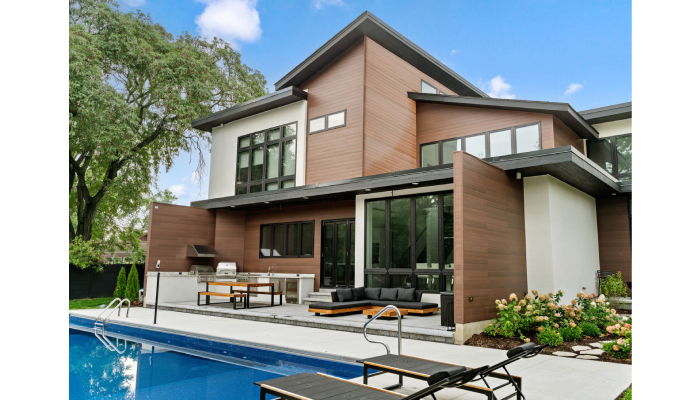
When embarking on your custom home design project in Florida, understanding the unique building considerations is vital. Florida’s climate poses specific challenges, particularly with hurricanes and flooding. This means you’ll want to select materials that are not only durable but also resistant to harsh weather conditions. For instance, impact-resistant windows and reinforced roofing systems can make a significant difference in safeguarding your home against storms.
Incorporating energy-efficient systems is another essential step. Systems like solar panels or high-efficiency HVAC units can help reduce your utility bills and may even qualify you for state rebates. Imagine enjoying the sunshine while knowing your home is eco-friendly and cost-effective!
Landscaping is equally important in this environment. Opt for drought-resistant plants that thrive in Florida’s unique climate and require less water. This helps conserve resources while adding beauty to your outdoor space.
Don’t overlook the permitting process, which can be lengthy and varies by county. Understanding this process early on can save you time and frustration later. Additionally, you should review flood zone maps to make informed decisions about your home’s location, ensuring safety and compliance with regulations.
Consulting with local specialists on energy-efficient designs that meet Florida’s regulations can provide valuable insights, ensuring your home is both stylish and compliant. Finally, stay updated on state and local building codes to avoid any legal complications during construction. By addressing these considerations, you can create a home that not only meets your dreams but also stands resilient against Florida’s elements.
3. Common Delays and Challenges
Building your dream home in Florida can be thrilling, but it’s essential to be aware of potential delays and challenges that may arise. Weather is a significant factor, as Florida can experience unpredictable storms, which may impact your project timeline. Be prepared for interruptions and plan accordingly. Permitting issues are also common; securing approvals and inspections can take longer than expected, so it’s wise to factor in extra time for these processes.
Design changes, while exciting, can lead to delays. It’s best to make decisions early in the design phase and stick to them to keep everything on track. Additionally, supply chain issues can affect material availability. Discuss alternatives with your builder to avoid setbacks. Labor shortages in the construction industry can further slow progress, so maintain communication with your builder regarding workforce availability.
Unexpected costs may arise during construction, so it’s prudent to allow for a contingency in your budget. Regular communication with your builder is key to addressing issues as they come up. Make sure to conduct site visits to stay informed and tackle any concerns promptly. While some delays are unavoidable, patience is vital throughout this process. Lastly, document all changes and communications for clarity and accountability.
4. Final Thoughts on Your Home Design Journey
Embracing the journey of building your custom home is an exciting adventure, one filled with countless possibilities and the chance to create a space uniquely yours. Staying organized is key: keep all your documents, plans, and ideas in one place for easy access. Flexibility can be your best friend; being open to changes can lead to unexpected opportunities and enhancements that enhance your project. Remember, building a home is more than just laying bricks and mortar. It’s about crafting a haven for memories and experiences with your loved ones.
Consulting with professionals at every step ensures that your vision comes to life just as you imagined. Take time to reflect on your design choices and how they will contribute to your lifestyle, making sure that every room serves a purpose that aligns with your daily life. Encourage your family members to share their thoughts and ideas; after all, a home should cater to everyone’s needs and desires.
Once your home is complete, don’t forget to celebrate this significant milestone with family and friends. It’s a moment worth acknowledging, a testament to all your hard work and dedication. Throughout the process, enjoy yourself and have fun as you design your perfect space. Lastly, stay connected with local builders and communities even after construction; they can be invaluable resources for future projects or improvements. Your custom home journey doesn’t end with the last nail; it’s just the beginning of a wonderful new chapter.
Frequently Asked Questions
What steps should I take to get my custom home design started in Florida?
Start by gathering your ideas and inspirations, then research local builders and architects who specialize in custom homes. Next, create a list of your must-haves and preferences, and be ready to discuss them during initial consultations.
How do I choose the right location for my custom home in Florida?
Consider factors like proximity to schools, work, shopping, and recreational areas. Visit potential neighborhoods, think about the environment, and check local regulations to ensure your dream home fits well with the area.
What are the most important design elements to consider for a Florida custom home?
Focus on energy efficiency, outdoor living spaces, and using materials that withstand Florida’s weather. Think about natural light, open floor plans, and adding features like screening for patios to enhance your lifestyle.
How can I make sure my custom home reflects my personal style?
Collect inspiration from design magazines, websites, or social media. Work closely with your designer or architect to express your style through color choices, layouts, and unique features that speak to your personality.
What is the role of an architect or designer in my custom home project?
An architect or designer helps transform your ideas into practical plans, ensuring your vision aligns with building codes and standards. They can provide creative solutions, help navigate the design process, and coordinate with builders to bring your home to life.