
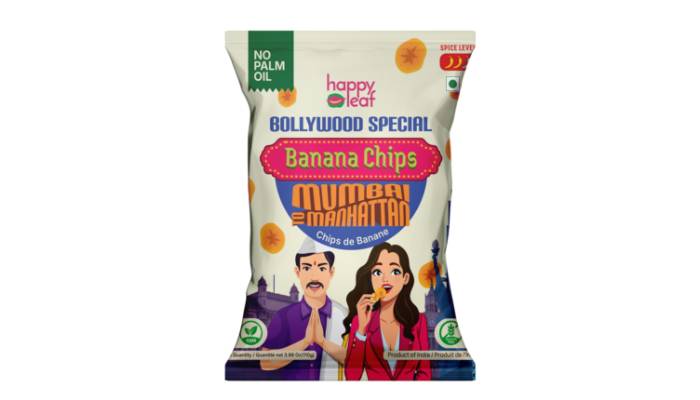
Storing clean Telugu snacks for a week is easier than you might think. First, understanding the shelf life of different snacks is crucial; dry items like murukku can last weeks if stored correctly, while moist laddus usually last around 10 days at room temperature. Use airtight containers made from glass or BPA-free plastic to keep moisture out and preserve flavors. It’s also important to maintain a cool environment, ideally between 50°F and 70°F. Regularly check for signs of spoilage, ensuring that you’re consuming only fresh snacks. Finally, educate everyone in your household about proper handling to promote good hygiene practices.
1. Understanding Shelf Life of Telugu Snacks
The shelf life of clean Telugu snacks can vary widely depending on their type and ingredients. For example, dry snacks such as murukku and chakli can last several weeks if stored properly, while moist snacks like laddus typically stay fresh for about 10 days at room temperature. Snacks that contain dairy products tend to spoil more quickly, often lasting only 2 to 3 days unless refrigerated.
Moisture content plays a crucial role in determining how long snacks can be kept. High moisture levels encourage mold growth and spoilage, making dry snacks a better option for longer storage. Packaging also affects shelf life; vacuum-sealed bags can keep snacks fresher by minimizing air exposure. It is important to be aware of the signs of spoilage, such as changes in odor or texture, to ensure that the snacks remain safe to consume.
Understanding the specific ingredients in each snack helps predict shelf life accurately. Homemade snacks often have shorter shelf lives due to the lack of preservatives found in many store-bought varieties. By knowing the characteristics of your snacks, you can enjoy them at their best.
 2. Ideal Storage Conditions for Snacks
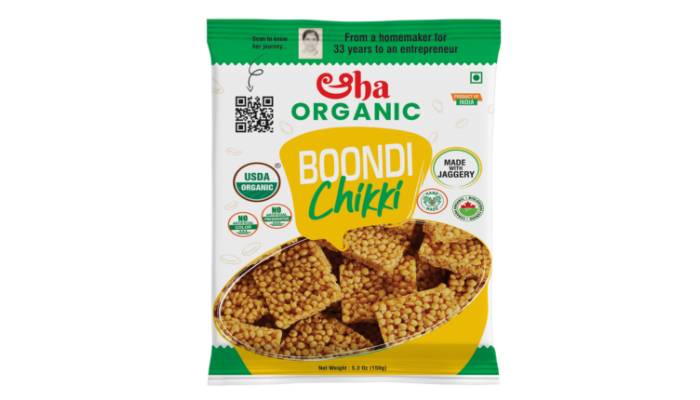 2. Ideal Storage Conditions for Snacks
To keep your Telugu snacks fresh for a week, proper storage conditions are key. Start by using airtight containers made of glass or BPA-free plastic. These containers prevent moisture from getting in, which is crucial for maintaining the flavor and texture of your snacks. The ideal temperature range for storing snacks is between 50°F and 70°F, so keep them in a cool, dry place away from heat sources like stoves or ovens. Heat can cause rancidity, impacting the quality of your snacks.
Humidity also plays a significant role; lower humidity helps preserve the crunchiness of snacks like murukku or chakli. To further protect your snacks, avoid direct sunlight, as it can lead to color fading and spoilage. For extra protection, consider using desiccants in your storage containers to absorb any excess moisture.
Label your containers with the date of storage to track freshness effectively. Organizing snacks by type can help prevent cross-contamination of flavors and odors, ensuring that each bite is as delightful as the last. If you follow these guidelines, your Telugu snacks can stay delicious throughout the week.
- Airtight containers are essential to keep snacks fresh and prevent moisture absorption.
- The right temperature range for storing snacks is between 50°F and 70°F.
- Avoid placing snacks near heat sources, which can cause rancidity and degrade quality.
- Humidity levels should be low; a dry environment helps preserve texture and flavor.
- Direct sunlight can lead to color fading and spoilage, so keep snacks in a dark place.
- Using glass containers can be beneficial as they do not react with food like some plastics might.
- Label containers with the date of storage to keep track of freshness.
- Organizing snacks by type can prevent cross-contamination of flavors and odors.
- Using desiccants in storage can help absorb any moisture that might accumulate.
3. Essential Hygiene Practices for Handling Snacks
To keep your Telugu snacks safe and delicious, hygiene is key. Start by washing your hands thoroughly before you touch any snacks; this simple step reduces the chances of contamination. When serving snacks, opt for clean utensils or serving tools rather than using your hands. This is especially important when sharing snacks with family or friends.
Regularly disinfect your storage containers to keep bacteria and mold at bay. Avoid touching your snacks with dirty hands or utensils, as this can lead to spoilage. It’s also wise to educate your family about these hygiene practices to ensure everyone is on the same page.
Store your snacks in a clean area, separate from raw foods, to avoid cross-contamination. Before opening snack containers, wipe down the exteriors to prevent dirt from getting inside. If you’re hosting a gathering, consider wearing gloves when serving snacks to maintain cleanliness and safety. Finally, keep an eye out for any signs of pest activity in your storage areas, as this can compromise the quality of your snacks.
4. Storage Tips for Popular Telugu Snacks
To keep your favorite Telugu snacks fresh, here are some specific storage tips. For Pindi Vantalu, always use an airtight container and store it in a cool, dry place. This helps maintain its crispness. When it comes to Murukku and Chakli, avoid mixing different snacks in one container, as this prevents moisture transfer that can make them soggy. Laddus are best kept at room temperature for about a week, but if you choose to refrigerate them, be aware that the texture may change. For coconut-based sweets, refrigeration is crucial to prevent spoilage; consume them quickly for the best taste. Bajji are best enjoyed fresh, but you can refrigerate leftovers in an airtight container for a day or two. Sooji Halwa should be stored in a cool place, and ideally consumed within a few days to enjoy its flavor. Keep Kaju Katli in a sealed container in the fridge, where it can stay fresh for up to a week without losing quality. Chakkara Pongali is best eaten fresh, but if you have leftovers, you can store them in the fridge for a short time. Lastly, for Pesarattu, refrigeration is acceptable for a day or two, but enjoy it fresh for the best experience.
5. Innovative Packaging Solutions for Freshness
To keep your Telugu snacks fresh for a week, innovative packaging solutions play a vital role. Vacuum sealing is one of the best methods, as it removes air that can cause snacks to lose their flavor and texture over time. For added protection, consider using foil-lined bags; they effectively shield snacks from moisture and light degradation, which can compromise quality. Resealable bags are also a convenient option, allowing you to access snacks easily while still maintaining their freshness.
If you’re looking for an eco-friendly approach, biodegradable packaging options are available that do not sacrifice quality. Smart packaging is gaining popularity as well, featuring humidity control that maintains optimal conditions for your snacks. Additionally, containers equipped with built-in freshness indicators can alert you when snacks start losing their quality.
Another effective strategy is to design packaging that minimizes air exposure, which can significantly prolong shelf life. Single-serving packs can be a great solution to reduce waste and keep snacks fresh until you’re ready to enjoy them. Lastly, consider packaging designs that incorporate moisture-absorbing materials, ensuring your snacks stay dry and crunchy.
6. Natural Preservation Techniques for Snacks
Using natural preservation techniques can help extend the life of your Telugu snacks while keeping their flavors intact. For example, adding spices like turmeric and cinnamon not only enhances taste but also acts as a natural preservative. Drying snacks is another effective method, as reducing moisture content significantly helps in prolonging shelf life. For some snacks, fermentation can be employed, which not only preserves but also adds a unique flavor profile.
Incorporating sugar or salt can also serve as natural preservatives; they inhibit the growth of bacteria and mold, ensuring your snacks stay fresh longer. A handy tip is to store snacks with a few grains of rice, which absorb excess moisture, keeping them crisp. For specific snacks, using vinegar or citrus can help in preservation, enhancing both flavor and longevity.
Moreover, consider using natural oils with preservative properties during the preparation process, as they can contribute to a longer shelf life. Experimenting with herbal infusions can also add an extra layer of flavor while potentially improving preservation. Overall, these natural methods not only help in extending the shelf life of snacks but can also enhance their nutritional value.
7. Regular Monitoring of Stored Snacks
Regular monitoring of your stored Telugu snacks is essential to ensure they remain fresh and safe to eat. Check for any signs of spoilage such as unusual smells, discoloration, or changes in texture. For example, if your favorite murukku starts to feel soggy or stale, it’s likely past its prime. Keep track of expiration dates and how long snacks have been stored to better manage their freshness. Educating family members on what to look for can also help in identifying spoiled items. If you notice any moisture or pests in your storage area, adjust the conditions right away. Remove any snacks that show signs of spoilage immediately to avoid contaminating other items. To stay organized, consider maintaining a checklist for your snacks and regularly audit your inventory so that older items are used first.
8. General Tips for Snack Storage
To keep your snacks fresh and tasty, it’s important to follow some general storage tips. First, use the FIFO method, which means consuming the older snacks first. This prevents waste and ensures you’re enjoying snacks at their best. Store snacks away from strong-smelling foods like onions or garlic to avoid any unwanted flavor transfer. Educating family members on proper storage practices can be very helpful. Consider portioning snacks into smaller containers, making it easier to access them while also reducing waste. Using clear containers lets you monitor snack levels and freshness at a glance. Always label your containers with the contents and the storage dates for quick identification. Avoid overstocking to minimize waste and keep your snacks fresh. Rotating your snacks regularly is also key to ensuring that older items are consumed first. Finally, keep a handy list of snacks along with their storage requirements to streamline your snack storage process.
9. Unique Features of Organic Telugu Snacks
Organic Telugu snacks have some distinct characteristics that set them apart from conventional options. One key feature is the reduced use of preservatives, which can affect both the shelf life and overall quality of the snacks. This often leads to a fresher taste, thanks to the focus on natural ingredients and traditional preparation methods. For example, snacks made with locally sourced ingredients not only enhance freshness but also support local farmers and sustainable practices.
Another important aspect is the absence of artificial flavors and colors. While this means organic snacks may spoil faster, it also results in healthier options that consumers are increasingly seeking. Many organic snacks incorporate superfoods, which boost their nutritional value, making them not just tasty but also beneficial for health.
The traditional techniques used in preparing these snacks often improve their flavor profiles, resulting in a unique taste that is hard to replicate. Although organic snacks can come with a higher price tag, the rich flavors and health benefits they provide make them worth the investment. As awareness of organic products grows, so does the demand, pushing more brands to focus on these unique features.
Frequently Asked Questions
What is the best way to keep Telugu snacks fresh for a week?
To keep Telugu snacks fresh for a week, store them in airtight containers. Make sure the containers are clean and dry before adding the snacks. You can also use zip-lock bags to get rid of excess air.
Can I keep different types of snacks together in one container?
It is better to keep different types of snacks in separate containers, as mixing them can affect their taste and texture. For example, crispy snacks should be stored separately from softer ones.
How can I tell if my snacks have gone bad?
Check for any signs like an off smell, mold, or changes in texture, such as sogginess. If the snacks look or smell unusual, it’s best to toss them out.
Is it okay to refrigerate Telugu snacks to make them last longer?
Refrigerating snacks is an option, but it can change their texture. Some snacks may become hard or lose their crunch, so it’s recommended to only refrigerate if necessary.
How do I prevent moisture from spoiling my snacks?
To prevent moisture, keep the snacks in a cool, dry place away from direct sunlight. You can also add a small packet of silica gel inside the container to absorb any excess moisture.
TL;DR To store clean Telugu snacks for a week, understand their shelf lives, which vary depending on moisture content. Use airtight containers kept in a cool, dry place away from sunlight. Practice good hygiene by washing hands and using clean utensils. For specific snacks like murukku and laddus, follow tailored storage tips such as keeping them separate to avoid moisture transfer. Innovative packaging like vacuum-sealed bags can help maintain freshness, while natural preservation methods using spices can extend shelf life. Regularly check for spoilage and try to consume older snacks first to reduce waste.