
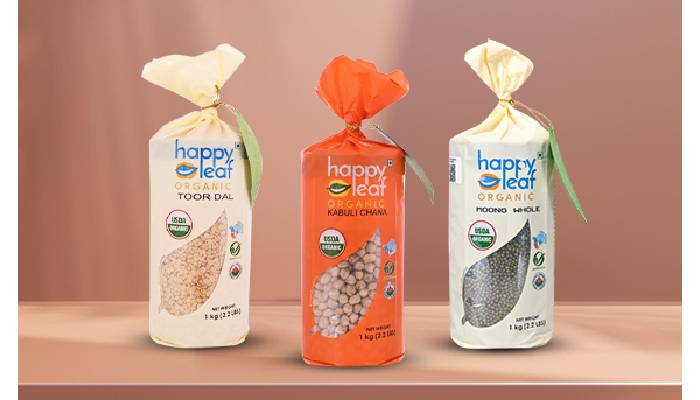
Storing organic Indian snacks properly is key to keeping them fresh and delicious. First, understanding their shelf life is important; for instance, milk-based sweets like Gulab Jamun last just a few days at room temperature but can stay good for a week in the fridge. Using airtight containers made from glass or BPA-free plastic helps keep moisture at bay and maintains crispness. It’s best to place snacks in cool, dry areas away from heat sources. Regularly check your snacks for spoilage signs with a clean setup in mind will also promote freshness. Remember, proper storage means enjoying these treats longer!
1. Understanding Shelf Life of Organic Indian Snacks
The shelf life of organic Indian snacks can differ greatly based on several factors such as ingredients, moisture content, and storage conditions. For example, dry snacks like chakli and murukku can last from several weeks to months if stored correctly, while moist snacks like laddus generally have a shorter shelf life, often only lasting up to 10 days at room temperature in airtight containers. When purchasing packaged snacks, it’s essential to always check for specific expiration dates or best-by dates.
Homemade snacks usually have a shorter shelf life compared to store-bought ones, primarily due to the absence of preservatives. Moreover, snacks made with fresh ingredients, like those containing fresh coconut, can spoil faster. The packaging also plays a significant role in determining shelf life; vacuum-sealed options tend to last longer than those in standard wrappers.
Environmental factors such as humidity and temperature can significantly impact how long snacks stay fresh. While storing snacks in the refrigerator can extend their shelf lives, it’s important to note that this may affect their original texture, especially for crispy items. To keep track of freshness, consider labeling containers with the date of preparation or opening.

2. Best Practices for Snack Storage
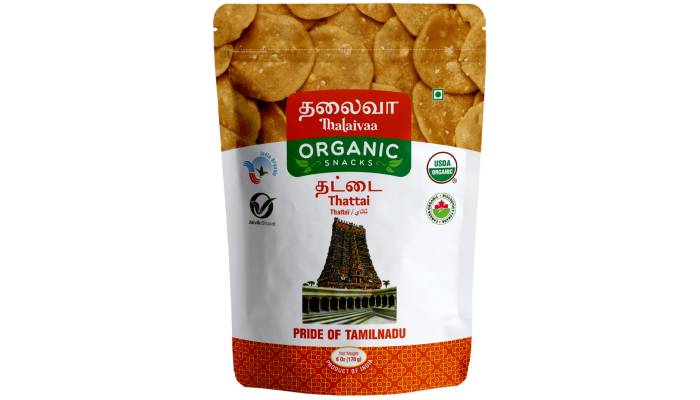
To keep your organic Indian snacks fresh, start by using glass or BPA-free plastic containers. These materials are non-reactive, which helps maintain the snacks’ flavors. Ensure that these containers are tightly sealed to minimize air exposure, as air can lead to staleness. It’s wise to avoid buying snacks in bulk unless you have a clear plan to consume them within a reasonable time, which can prevent spoilage.
Store your snacks in a cool, dark place like a pantry, away from direct sunlight. Sunlight can degrade the quality of oils and flavors over time. Organizing snacks by type or expiration date can be helpful too; this way, you’ll ensure older items are consumed first, reducing waste.
For crunchy snacks, consider using silica gel packets in containers to absorb excess moisture. It’s also important to keep your snacks away from strong-smelling foods, as they can easily absorb those odors. If you find yourself snacking often, using resealable bags for smaller portions can help keep the rest fresh for longer.
- Use glass or BPA-free plastic containers to store snacks, as they are non-reactive and help maintain flavor.
- Ensure containers are tightly sealed to minimize air exposure, which can lead to staleness.
- Avoid bulk purchasing of snacks unless you have a plan to consume them within a reasonable timeframe to prevent spoilage.
- Keep snacks out of direct sunlight, which can degrade the quality of oils and flavors over time.
- Store snacks in a dark, cool place like a pantry to help maintain their integrity.
- Organize snacks by type or expiration date to ensure older items are consumed first and reduce waste.
- Use silica gel packets in containers to absorb excess moisture, especially for crunchy snacks.
- Avoid storing snacks near strong-smelling foods, as they can absorb odors easily.
- Consider using resealable bags for smaller portions if you frequently snack, as this can help keep the rest fresh.
3. Temperature Control for Snack Freshness
Maintaining the right temperature is crucial for keeping organic Indian snacks fresh. Ideally, most snacks should be stored between 50°F to 70°F (10°C to 21°C). Extreme temperatures can negatively impact texture and taste; for example, chocolate can bloom if it gets too warm, leading to an undesirable appearance and flavor. When transporting snacks to events or outings, especially during hot weather, using insulated bags can help keep them cool and prevent spoilage. In cooler months, it’s important to store snacks away from heat sources like radiators or heaters, as these can cause them to become stale or lose their quality. To ensure snacks remain in the best condition, monitor temperature fluctuations in storage areas and consider using thermometers to maintain ideal ranges. For those living in humid climates, a dehumidifier can help control moisture levels in storage spaces, which is vital for preserving snack freshness. If you need to ship snacks, keep cooling packs on hand to maintain a stable temperature during transit. Remember, while freezing may seem like a good idea, it can change the texture of certain snacks, especially those meant to be enjoyed fresh.
4. Importance of Hygiene in Snack Storage
Maintaining hygiene when storing snacks is essential to prevent contamination and ensure safety. Always wash your hands before handling any snacks to avoid cross-contamination. Regularly clean storage containers and surfaces, as this helps eliminate potential contaminants. Instead of touching snacks with bare hands, use clean utensils or scoops, which can significantly reduce the risk of spreading germs. It’s also important to keep pets away from snack storage areas, as they can carry bacteria that may contaminate your food.
When purchasing packaged snacks, inspect them for any signs of damage or tampering before you store them. If you’re storing homemade snacks, make sure all ingredients used are fresh and safe to consume. Consider using separate storage containers for different types of snacks to prevent flavors from mingling. This not only keeps snacks tasting fresh but also maintains their unique flavors. Educate family members about hygiene practices when accessing snacks, ensuring everyone understands the importance of cleanliness. Keeping a dedicated cleaning cloth or paper towels in storage areas can help you quickly wipe down surfaces whenever needed, maintaining a hygienic environment.
5. Natural Methods for Snack Preservation
Natural methods for preserving snacks can be both effective and flavorful. Drying is a popular technique, especially for fruits and nuts. It removes moisture, which significantly extends shelf life while maintaining taste. Infusing oils with herbs or spices can add delightful flavors and act as preservatives for items like crackers. Using honey or sugar creates a barrier against moisture, enhancing the preservation of certain snacks. Additionally, the natural acids found in citrus or vinegar can be used in marinades to inhibit bacterial growth, making them great for pickling vegetables. Fermentation is another interesting method that not only prolongs shelf life but also enhances flavor, as seen with various pickled snacks. Adding herbs known for their preservative qualities, such as rosemary or thyme, can also boost the longevity of homemade snacks. Natural preservatives like ascorbic acid can help maintain the vibrant color and freshness of snacks like fruit chips. For even longer shelf life, consider storing snacks in the freezer, particularly those prone to spoilage. Lastly, exploring recipes that incorporate these natural preservatives can be a fun way to ensure your homemade snacks stay fresh and delicious.
6. Innovative Packaging Solutions for Snacks
Using innovative packaging solutions can greatly enhance the freshness of organic Indian snacks. Resealable bags are a practical choice, allowing easy access while ensuring that each use maintains the snack’s freshness. For those concerned about the environment, biodegradable packaging options are becoming increasingly popular. Investing in vacuum-sealed containers or bags can significantly extend the shelf life of snacks by removing air and preventing oxidation. Foil-lined bags offer an additional barrier against air and moisture, helping to preserve flavor and texture.
Smart packaging is also worth exploring; some designs change color to indicate freshness or spoilage, providing a visual cue for consumers. Airtight jars are effective for items like nuts or dried fruits, preserving their crunchiness. Pouches with built-in reseal options enhance convenience, allowing consumers to enjoy their snacks in portions while keeping the remainder fresh. Additionally, look for packaging that includes oxygen absorbers, further extending freshness by minimizing the oxygen available to spoilage organisms. Transparent packaging can also be beneficial, enabling customers to see the product while ensuring it remains fresh.
Frequently Asked Questions
What is the best way to keep organic Indian snacks fresh?
To keep organic Indian snacks fresh, store them in airtight containers in a cool, dark place away from moisture and sunlight.
How long can I store organic Indian snacks without losing quality?
Most organic Indian snacks can stay fresh for a few weeks to a couple of months if stored properly, but check for any specific expiry dates on the packaging.
Should I refrigerate organic Indian snacks?
Refrigerating organic Indian snacks isn’t usually necessary, but if they contain ingredients that spoil easily, it can help maintain freshness.
Can I freeze organic Indian snacks to make them last longer?
Yes, you can freeze organic Indian snacks, just make sure to package them well to avoid freezer burn, and let them thaw before consuming.
What signs indicate that organic Indian snacks have gone bad?
Look for changes in color, texture, or smell. If the snacks feel stale or have an off odor, it’s best to discard them.
TL;DR To keep organic Indian snacks fresh, understand their shelf life: milk-based sweets last a few days, while others like Kaju sweets and Laddus can last weeks if stored properly. Use airtight containers, store in cool, dry places, and ensure hygienic practices. Control temperature to avoid spoilage, and consider natural preservation methods like salt and sugar. Innovative packaging techniques like vacuum sealing can also help extend shelf life. Regularly check for spoilage to enjoy your snacks at their best.