

Supporting progress after speech therapy in Varanasi involves a blend of effective strategies and community resources. First, understanding the crucial role that local centers like Omkilkari Child Development Centre play can guide families on their journey. Parents should incorporate speech practice into daily routines, such as naming objects during meals or using visual aids to enhance comprehension. Celebrating small achievements through positive reinforcement helps motivate children too. Additionally, minimizing distractions during practice and keeping communication open with therapists ensures tailored support for individual needs. Lastly, engaging the family and utilizing community workshops can strengthen skills vital for fostering confident communicators in Varanasi.
1. Understanding Speech Therapy in Varanasi
Speech therapy in varanasi is a vital treatment for individuals facing communication disorders, which can affect both children and adults. In Varanasi, various centers like the Omkilkari Child Development Centre focus on personalized therapy plans that adapt to the unique needs of each individual. Common speech disorders addressed include articulation, fluency, and voice disorders. Speech therapists, who are specially trained professionals, play a crucial role in evaluating and treating these issues. Early intervention is particularly important, as addressing communication problems promptly can lead to significantly better outcomes for clients.
The availability of local facilities in Varanasi ensures that individuals can access the support they need. These centers often adopt a holistic approach, taking into account emotional, social, and educational factors that may influence therapy effectiveness. Parent involvement in the therapy process is encouraged, as family participation can enhance the overall impact of the treatment. Additionally, cultural considerations are vital, as understanding local customs and beliefs can influence how therapy is received and implemented. Ultimately, the outcomes of speech therapy are promising: improved communication skills can lead to better social interactions and greater academic success.
 2. Effective Speech Therapy Techniques
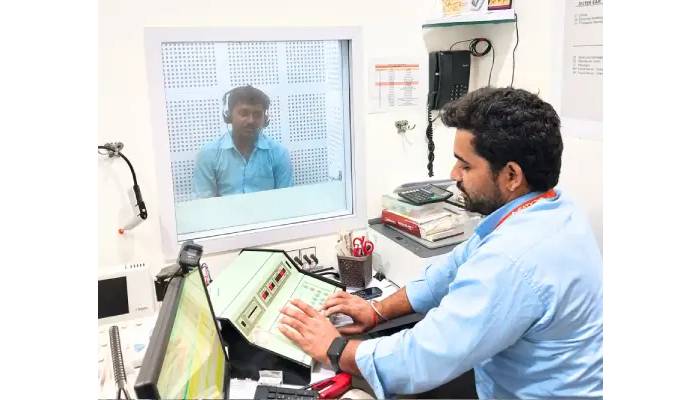 2. Effective Speech Therapy Techniques
Articulation therapy focuses on correcting specific speech sound errors through targeted practice. For example, a child struggling with the ‘s’ sound might engage in exercises that involve repeating words like ‘snake’ and ‘sun’ until they can produce these sounds clearly. Language intervention therapy enhances vocabulary and comprehension by using engaging activities, such as storytelling and interactive games, making learning fun and effective. In fluency shaping therapy, techniques are taught to manage stuttering, helping individuals control their speech patterns through controlled breathing and rhythm.
Pragmatic language therapy develops social skills, teaching clients how to communicate appropriately in various contexts, such as during conversations or group activities. Oral motor therapy includes exercises that strengthen the muscles involved in speech production and eating, which can improve clarity and overall communication ability. For those with severe speech impairments, augmentative and alternative communication (AAC) tools, such as communication devices and sign language, provide essential support.
Play-based therapy is particularly effective with children, as it utilizes play to encourage natural language use, making learning feel less like a chore and more like a fun experience. Parent-led therapy empowers parents with strategies to reinforce therapy goals at home, ensuring skills learned in therapy are practiced consistently. Storytelling techniques help develop narrative skills through shared reading, while interactive games promote language development and social interaction, creating a lively environment for learning.
3. Strategies for Parents to Support Speech Therapy Progress
Integrating daily speech practice into family routines is crucial. For example, during meals, parents can name food items and encourage their child to repeat them. This turns a simple activity into a learning experience. Modeling language is also effective; using clear and simple phrases helps children imitate and learn new words. When playing, parents can use parallel talk by describing their actions, like saying, “Now I’m pouring the juice,” which enriches the child’s language exposure.
Expanding on what the child says can significantly boost vocabulary. If a child says, “Dog,” the parent might respond with, “Yes, that’s a big brown dog!” This encourages more complex language use. Visual aids, like picture cards or schedules, can also help children remember new words and concepts, making learning more engaging.
Positive feedback cannot be overlooked. Praising efforts, like saying, “Great job using your words!”, builds the child’s confidence and motivates them to keep trying. Parents should create situations that encourage communication, such as placing toys just out of reach, prompting the child to ask for them verbally.
Regular reading together enhances listening skills and comprehension. Setting a routine for reading books allows children to hear language in context. Using technology, such as apps designed for language learning, can further support speech development at home. Creating a language-rich environment, where children hear and use language in various forms, completes the picture, making progress after speech therapy both achievable and enjoyable.
- Daily speech practice: Integrating speech exercises into regular family activities and routines.
- Modeling language: Using clear and simple speech for children to imitate and learn from.
- Parallel talk: Describing your actions and thoughts during activities to enhance language exposure.
- Expanding on speech: Building on what the child says to encourage vocabulary growth and complexity.
- Visual supports: Creating visual aids to help children understand and remember new words and concepts.
- Positive feedback: Offering praise for efforts to build confidence and motivate further attempts.
- Encourage communication: Set up scenarios that require the child to use words to express needs.
- Regular reading: Establishing a routine for reading books together to enhance listening skills and comprehension.
- Using technology: Incorporating apps or websites that support language learning at home.
- Creating a language-rich environment: Surrounding the child with opportunities to hear and use language in various forms.
4. Creating a Supportive Environment
To effectively support progress after speech therapy, creating a supportive environment is essential. Start by minimizing distractions during practice sessions; reduce background noise and interruptions to ensure focused attention. Engage the family by involving siblings and other relatives in speech activities. This not only boosts the child’s confidence but also fosters a sense of community. Staying in touch with speech therapists is crucial; regular communication helps parents adjust strategies based on the child’s evolving needs. Make practice enjoyable by creating a safe space where the child feels comfortable expressing themselves. Set achievable goals to celebrate small victories, reinforcing the child’s motivation. Use consistent language throughout daily interactions to prevent confusion, and encourage peer interactions through playdates to enhance social communication skills. Incorporate music and rhythm into practice, as songs and rhymes can make learning engaging. Allow the child to make choices to promote verbal communication, and always reinforce positive behavior by recognizing achievements, no matter how small.
5. Community Resources in Varanasi
Varanasi offers a variety of community resources to support families after speech therapy. Local speech therapy centers, such as the Omkilkari Child Development Centre located at 123 Main Street, provide tailored services and ongoing support for children. Workshops for parents are frequently held, giving them the chance to learn effective strategies for enhancing their child’s communication skills. For those seeking connection, support groups are available, allowing families to share experiences and tips with others facing similar challenges.
Educational materials can be accessed at local libraries, where families can find books and resources to aid in speech development. Additionally, community events, like storytelling contests, focus on building communication skills in a fun and engaging way. Parents can also connect with a network of therapists, fostering relationships that ensure consistent support for their children.
Volunteer opportunities exist within community programs that assist children with speech and communication challenges, providing a chance for families to get involved. Comprehensive resource directories are available, listing various services tailored for families in need. Awareness campaigns in the area aim to educate the public about speech and language disorders, further supporting community understanding and involvement. Lastly, collaboration with local schools ensures that educators and therapists work together to provide a consistent support system for children with communication needs.
Frequently Asked Questions
What can I do at home to help my child who has finished speech therapy?
You can create a supportive environment by encouraging conversations, reading together, and practicing new words during daily activities.
How can I encourage my child to use their speech skills after therapy?
Make speaking fun by playing interactive games, asking open-ended questions, and celebrating their progress, no matter how small.
What activities promote speech development for my child after therapy sessions?
Activities like storytelling, singing songs, and role-playing can be great ways to promote speech development after therapy.
How often should we practice speech skills after therapy is over?
Aim to incorporate speech practice into daily routines, even just a few minutes a day can make a big difference in maintaining skills.
When should I be concerned about my child’s speech progress after therapy?
If you notice that your child is struggling to communicate or has regressed significantly, it may be time to consult a professional for further evaluation.
TL;DR This blog post explores how to support progress after speech therapy in Varanasi. It covers the importance of understanding speech therapy, effective techniques used, and strategies for parents to implement at home. Creating a supportive environment is emphasized, as is the availability of community resources. Families play a crucial role in enhancing communication skills, ensuring that children foster greater confidence and independence.