
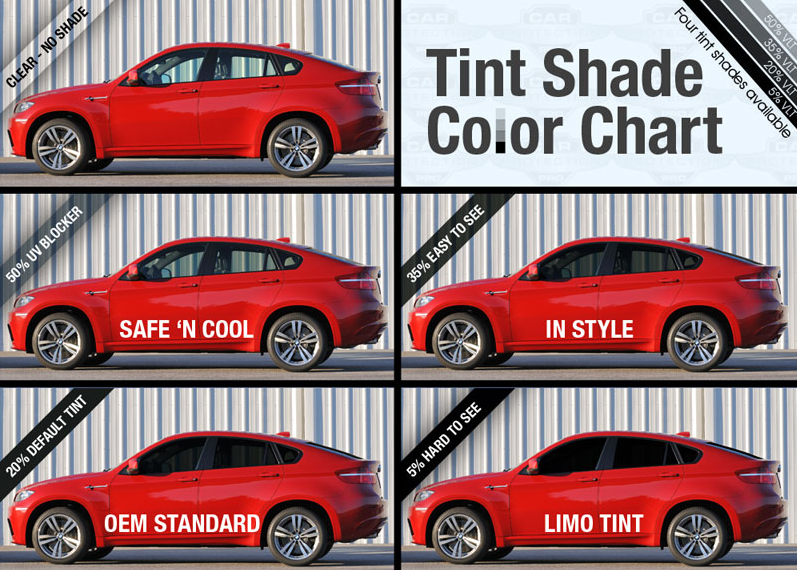
Window tinting is a popular car modification that offers several benefits—privacy, UV protection, heat reduction, and style. But like many car modifications, window tinting is regulated by state law. In Texas, there are specific rules that determine how dark or reflective your window tint can be, depending on the vehicle type and window location.
If you’re considering tinting your car windows in Texas, this guide will walk you through the legal limits, common mistakes to avoid, and what you need to stay street-legal.
Why Understanding Tint Laws Matters
Tint laws aren’t just guidelines—they’re enforceable regulations. If your vehicle doesn’t comply with Texas tint laws, you may face:
-
Fines or citations
-
Required tint removal
-
Failed vehicle inspections
-
Difficulty selling or registering the car
Understanding the basics of Texas window tint law can help you make informed decisions while customizing your vehicle.
Texas Legal Window Tint Limits (2025)
The Texas Department of Public Safety (DPS) enforces the following tinting laws based on Visible Light Transmission (VLT)—the percentage of visible light that passes through the window. The lower the VLT%, the darker the tint.
Here’s a simplified breakdown:
✅ Legal Tint Limits in Texas
| Window | Sedans | SUVs / Vans / Trucks |
|---|---|---|
| Windshield | Tint allowed above AS-1 line only | Tint allowed above AS-1 line only |
| Front Side Windows | ≥ 25% VLT (no darker) | ≥ 25% VLT (no darker) |
| Back Side Windows | Any darkness allowed | Any darkness allowed |
| Rear Window | Any darkness allowed (if dual mirrors) | Any darkness allowed (if dual mirrors) |
| Reflectivity | Max 25% reflective for front and back | Max 25% reflective for front and back |
Additional Texas Tint Rules:
-
Red, amber, and blue tints are prohibited on any window.
-
Reflective or mirror-like finishes are limited to 25% reflectivity.
-
Medical exemptions are available with documentation from a licensed physician.
-
Inspection stickers and registration decals must remain visible.
How to Tint Your Windows Legally in Texas
1. Choose a Reputable Tint Shop
Work with certified professionals who understand Texas tint laws. Ask for documentation that your tint meets legal VLT limits.
2. Check the VLT Rating
Make sure the film’s VLT matches what’s legal for your vehicle. Remember that the factory glass may already have some tint, so layering it with additional film could reduce the VLT further.
3. Request a Tint Compliance Label
After tinting, your installer should apply a manufacturer’s compliance sticker between the film and glass on the driver’s side window. This label is required by Texas law.
4. Keep Dual Side Mirrors
If your rear window is tinted darker than legal limits, your car must have dual side mirrors to maintain rear visibility.
5. Retain Documentation
If you have a medical exemption, keep the prescription or documentation in your glove box in case you’re pulled over or go through a vehicle inspection.
Common Tinting Mistakes in Texas
Avoid these common issues that could lead to legal trouble:
-
Tinting the entire windshield (only the top AS-1 section is legal)
-
Applying too dark a film on front side windows
-
Using reflective tints above 25%
-
Choosing banned colors like red or blue
-
Failing to get a compliance sticker from your installer
Best Tinting Practices for Texas Drivers
-
UV protection: Choose a tint with UV-blocking properties, even if it’s lighter in appearance.
-
Ceramic tints: These offer better heat rejection without reducing visibility.
-
Regular cleaning: Maintain your tint using ammonia-free cleaners to prevent damage or discoloration.
-
Legal consultation: When in doubt, ask your tint shop or check with the Texas Department of Public Safety.
Are Darker Tints Ever Allowed?
Yes—but only if you qualify for a medical exemption. Texas allows certain individuals to apply darker tints for medical reasons such as photosensitivity or specific skin conditions. However, this requires a doctor’s written certification and must be presented during inspections or traffic stops.
Why Tinting Makes Sense in Texas
Texas summers are brutal, and a good quality tint can reduce interior temperatures by up to 60%. Beyond comfort, legal window tinting can protect:
-
Your skin from UV rays
-
Your car’s interior from fading or cracking
-
Your privacy by reducing visibility into your vehicle
But remember—style should never come at the expense of legality. It’s better to go slightly lighter and stay compliant than to risk fines and mandatory tint removal.
Bonus Tip for Car Enthusiasts
If you’re exploring window tinting as part of a full customization project, it might be time to think bigger. For example, if you’re already diving into mods, performance upgrades, or JDM car culture, it could be a great opportunity to share your passion with others.
Consider learning How to Start a Car Blog or YouTube Channel in 2025. Documenting your journey—from buying your first project car to tinting windows legally—could be the beginning of a successful personal brand or even a business.
FAQs About Texas Tint Laws
Can I tint my entire windshield in Texas?
No. Only the top portion of the windshield above the AS-1 line (or top 5 inches if no AS-1 is marked) can be tinted, and it must be non-reflective.
What happens if my tint is too dark?
You could face a fine, be required to remove the illegal tint, and potentially fail your vehicle inspection. Repeat violations may result in higher penalties.
Is there any legal tint limit for back windows?
No specific VLT limit for back side or rear windows—as long as you have dual side mirrors.
Can I get a ticket if my tint is factory-installed?
If the factory tint meets the legal limit, it’s fine. However, if aftermarket tint is added on top of factory glass, you could go below legal limits.
Do I need a tint compliance sticker in Texas?
Yes. Aftermarket tint must include a sticker between the tint film and driver’s side window, verifying legal installation and VLT.
Final Thoughts
Texas has clear and enforceable window tint laws, and understanding them is essential before making any modifications. By choosing the right VLT, working with licensed professionals, and following the legal guidelines, you can enjoy the benefits of tinted windows without getting fined or failing inspection.
Whether you drive a brand-new SUV or one of the Best JDM Cars Under $15K for Beginners, keeping your mods legal and thoughtful will ensure a smoother ride—on the road and with the law.