
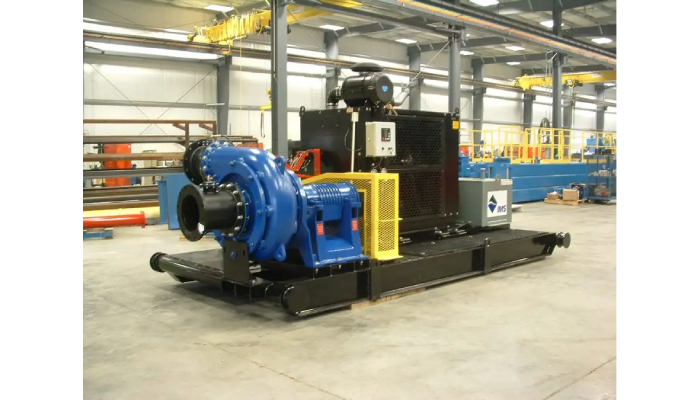
Troubleshooting a dredging booster pump can seem daunting, but understanding common problems is the first step. Take excessive wear, for instance; this occurs with abrasive solids in the slurry and leads to efficiency loss. Optimizing material selection and maintaining proper speeds can drastically improve performance. Clogging is another issue caused by foreign objects hindering flow; installing screening mechanisms helps here. Additionally, cavitation can lead to severe damage if not addressed, enhancing NPSH levels can alleviate this risk. Regular maintenance, monitoring vibrations and pressures, along with offering operator training ensures longevity and effectiveness in your dredging operations.
1. Common Problems with Dredging Booster Pumps
Dredging booster pump face a range of common problems that can significantly impact their performance and efficiency. Excessive wear is a major concern, often caused by abrasive solids in the slurry. This can lead to a notable loss of efficiency and even pump failure if not addressed on time. Regular inspections are key to catching wear early and ensuring the longevity of the pump. Clogging and blockage present another challenge. Foreign materials can obstruct flow, leading to costly downtime. Installing effective filters or screens can help mitigate this issue and keep operations running smoothly.
Cavitation is a damaging phenomenon that occurs when local pressures drop below vapor pressure, resulting in destructive bubble formation. It’s crucial to monitor pressure levels to avoid this issue, as it can lead to severe pump damage. Additionally, bearing and seal failures can occur due to contamination, leading to premature breakdowns. Regular lubrication and maintenance checks are essential to keep these components in good working condition.
Loss of prime and air ingestion can stop the pumping process completely if air enters the suction line. Ensuring tight seals and proper priming is vital for smooth operation. Shaft breakage and fatigue failure are often caused by misalignment or hydraulic imbalance, making regular alignment checks important to prevent these issues. Vibration issues can also lead to wear and tear on the pump, so monitoring vibration levels can help identify problems early.
Overheating is another concern, often resulting from a lack of flow or excessive load. Implementing cooling measures can prevent overheating and extend the life of the pump. Inadequate suction head can lead to cavitation due to low Net Positive Suction Head (NPSH), so ensuring sufficient suction head is crucial for optimal pump performance. Lastly, electrical failures in components can lead to unexpected pump shutdowns, emphasizing the need for regular electrical inspections to keep the system running efficiently.
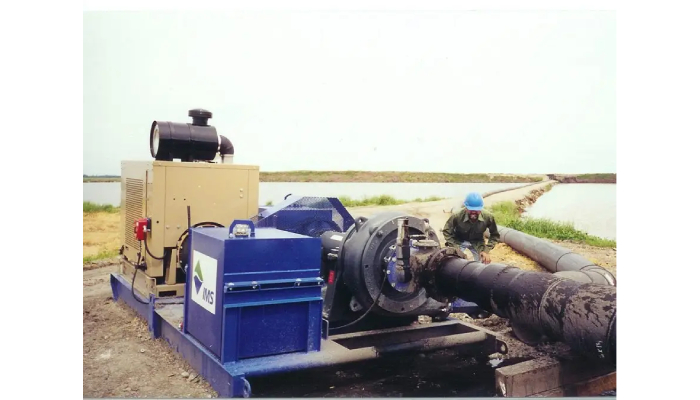
2. Solutions for Excessive Wear and Clogging
Excessive wear and clogging in dredging booster pumps can be a major headache, but there are effective solutions to tackle these issues. First, selecting durable materials for impellers and liners is crucial. High-quality materials can withstand the abrasive nature of slurries, significantly reducing wear over time. Additionally, controlling the pump’s speed is essential. Operating at optimal speeds minimizes wear and enhances efficiency, keeping your pump in top shape.
Regular cleaning should not be overlooked. Implementing a maintenance schedule for cleaning can prevent clogs from forming, ensuring smooth operation. Installing flushing systems can be a game-changer. These systems help clear blockages before they escalate, allowing for seamless performance.
Using effective screening devices is another key strategy. Screens can catch debris before it enters the pump, drastically reducing wear and clogging. It’s also important to monitor the conditions of the slurry. Keeping a close eye on its characteristics can help you anticipate potential wear issues before they become significant problems.
Training operators is vital too. Educating them on proper handling and operational practices can greatly reduce incidents of wear and clogging. Moreover, optimizing the design of suction pipes can help manage flow better and reduce the likelihood of blockages.
Consider using chemical additives as well. Certain additives can lower viscosity and improve flow, leading to decreased wear. Lastly, routine inspections are necessary. Regularly checking for early signs of wear and clogging can help you address issues proactively, extending the lifespan of your dredging booster pump.
- Material Selection: Choosing durable materials for impellers and liners can significantly reduce wear.
- Speed Control: Operating at optimal speeds can minimize wear and enhance efficiency.
- Regular Cleaning: Implementing a maintenance schedule for cleaning can prevent clogging.
- Flush Systems: Installing flushing systems can help clear blockages before they become severe.
- Screening Devices: Effective screens can prevent debris from entering the pump, reducing wear and clogging.
- Monitor Conditions: Keeping an eye on the conditions of the slurry can help anticipate wear issues.
- Routine Inspections: Regularly scheduled inspections can catch early signs of wear and clogging.
3. Understanding Cavitation and Its Prevention
Cavitation is a phenomenon that can wreak havoc on dredging booster pumps. It happens when the pressure in the pump drops below the vapor pressure of the liquid, leading to the formation of vapor bubbles. These bubbles can collapse violently, causing significant damage to the pump components. To prevent cavitation, it’s crucial to ensure that the available Net Positive Suction Head (NPSH) exceeds the required NPSH for the pump. This can be achieved through careful system design and operation.
Optimizing flow is key, operating the pump near its Best Efficiency Point (BEP) helps maintain stable pressure and reduces the chances of cavitation. Additionally, selecting pumps specifically designed to handle cavitation can provide an extra layer of protection. Implementing pressure monitoring systems can serve as an early warning mechanism, allowing operators to react before the situation escalates.
Designing the piping system to avoid sharp turns is another practical approach. Sharp bends can create turbulence and pressure drops that foster cavitation. It’s also essential to ensure proper priming of the pump before operation to eliminate air pockets that can trigger cavitation. Educating operators about the signs of cavitation and how to avoid it is critical; knowledgeable operators can take steps to prevent cavitation before it starts. Lastly, using Variable Frequency Drives allows for dynamic adjustments to pump speed, helping to sidestep cavitation risks. Regular maintenance and routine checks will also help identify potential cavitation issues, ensuring the pump operates efficiently and effectively.
4. Addressing Bearing and Seal Failures
Bearing and seal failures can spell disaster for dredging booster pumps, but with the right approach, you can tackle these issues head-on. Start with regular inspections; routine checks can catch wear and damage before they escalate into full-blown failures. Proper lubrication is another key factor, keeping bearings well-lubricated can significantly extend their lifespan and ensure smooth operation. Don’t overlook seal selection, either; choosing the right seal materials based on the application can prevent premature failures.
Alignment checks are essential as well; maintaining proper alignment helps prevent undue stress on bearings and seals, minimizing the risk of breakdowns. Contamination control is crucial; implement measures to keep contaminants out, enhancing the reliability of both bearings and seals. Additionally, monitoring vibration is a smart move, vibration analysis can help detect early signs of bearing issues, while temperature monitoring can alert you to overheating, which is a common cause of bearing failure.
Establishing a seal replacement schedule can save you from unexpected failures, ensuring that seals are swapped out before they can cause problems. Operator training is vital, too, educating staff on the importance of bearing and seal maintenance can improve overall reliability. Finally, consider using advanced materials for bearings and seals; employing these can boost durability and resistance to wear, giving your dredging operations a significant edge.
5. Tackling Loss of Prime and Air Ingestion
Loss of prime and air ingestion can be frustrating issues for dredging booster pumps, but they can be tackled effectively with the right strategies. Start with proper installation: ensuring that all components are fitted correctly can greatly reduce the risk of air leaks. Regular checks of the suction line are essential, as they help identify and fix any leaks before they become significant problems. Adequate submergence of the suction inlet is crucial; if it’s not submerged deeply enough, air can easily enter the system.
Another important factor is the design of the suction pipe. By minimizing bends and restrictions, you can improve flow and significantly reduce air ingestion issues. Training operators on effective priming techniques is equally vital, as a well-informed team can operate the pump more reliably. Consider installing check valves to prevent backflow and air from entering the system when the pump is not in operation.
Establishing clear priming procedures can also enhance reliability. Make sure operators know what steps to follow for priming the pump correctly. Additionally, having emergency protocols in place for quickly addressing air ingestion can minimize downtime when issues arise. Monitoring pressure levels during operation allows for early detection of potential loss of prime situations. In some cases, implementing vacuum systems can help maintain prime during operation, further enhancing the pump’s efficiency.
6. Preventing Shaft Breakage and Fatigue Failure
To prevent shaft breakage and fatigue failure, precision alignment is vital. Misalignment can lead to excessive stress on the shaft, increasing the risk of failure. Regular load monitoring helps catch potential overload situations that could strain components beyond their limits. Vibration analysis is another critical tool; by keeping an eye on vibration levels, you can identify issues early, before they escalate into serious problems. Choosing high-strength materials for shafts can significantly improve their resistance to fatigue, making them more durable under tough conditions.
Routine inspections are essential, as they can reveal early signs of wear or damage, allowing for timely interventions. Proper balancing of rotating assemblies is also key, as it reduces stress on the shafts and extends their lifespan. Implementing cooling systems can prevent overheating, a common cause of fatigue failure, while torque monitoring can help ensure that the shaft isn’t subjected to excessive forces. Training operators on the importance of shaft maintenance is invaluable; well-informed personnel can enhance reliability and the overall performance of the pump. Lastly, establishing a preventive maintenance program is critical. This proactive approach helps identify and address issues before they become major headaches, keeping your dredging booster pump running smoothly.
7. Best Practices for Maintaining Pump Efficiency
Routine maintenance is key to keeping your dredging booster pump running smoothly. Schedule regular inspections to replace worn components, ensuring that the pump operates at its best. Condition monitoring should not be overlooked: utilizing systems that track temperature, pressure, and vibration can help catch potential issues early, preventing costly downtime. Always aim to operate your pumps as close to their Best Efficiency Point (BEP) as possible, as this maximizes performance and minimizes wear.
Avoiding cavitation is crucial, as it can severely impact pump efficiency. Implement strategies like increasing available Net Positive Suction Head (NPSH) or reducing pump speed to minimize cavitation risks. Training your operators is equally important; make sure they understand how to recognize and address efficiency issues through proper operation techniques.
Keeping detailed records of maintenance and performance will enable you to track efficiency over time and identify patterns. Pay attention to the quality of the fluid being pumped as well, ensuring it is free from contaminants that can lead to excessive wear. Conduct periodic energy efficiency audits to uncover opportunities for improvement. Utilizing advanced technologies can enhance your monitoring capabilities and operational efficiency. Finally, establishing feedback mechanisms will promote continuous improvement, helping to ensure your dredging booster pump remains efficient and reliable.
8. Specific Solutions for Booster Pump Operations
Installing a whistlepipe is a must for maintaining booster pump performance during low flow conditions. It allows air to enter the pump, effectively preventing cavitation that can lead to serious damage. Another game changer is the use of adjustable speed drives, which automatically tweak the pump speed based on real-time flow needs. This not only enhances efficiency but also minimizes wear and tear on the pump components.
Telemetry systems can revolutionize how you monitor pump conditions. With remote monitoring, you can ensure optimal operation without being tethered to the pump at all times, allowing for quick responses to any emerging issues. Flow meters are equally important; they help manage pump performance and prevent overload situations, keeping everything running smoothly.
Variable frequency drives offer another layer of control, allowing you to manage motor speed and reduce energy consumption, especially during fluctuating flow conditions. Regular data analysis is essential as well, as it helps identify operational trends and optimize performance over time.
Employing intelligent controls can enhance the responsiveness of your booster pumps to any operational changes, ensuring they adapt quickly to varying conditions. Predictive maintenance strategies are crucial too; by anticipating potential issues before they escalate, you can save time and resources. Integrating booster pumps into SCADA systems provides enhanced monitoring and control capabilities, ensuring you have your finger on the pulse of pump operations.