
Remote proctoring has become essential in educational and professional assessment. The right tools can ensure fair, secure, and efficient testing experiences for all participants. This comprehensive guide explores how to use software secure remote proctor solutions effectively to streamline your assessment process and maintain integrity throughout the testing environment.
Understanding Software Secure Remote Proctor Systems
Software secure remote proctor systems represent a significant evolution in how institutions conduct examinations. These platforms use advanced technology to monitor test-takers in real-time through webcams and screen-sharing capabilities. A software secure remote proctor solution combines artificial intelligence, human oversight, and sophisticated algorithms to detect suspicious behavior and prevent cheating. These systems have become increasingly important as more organizations transition to remote and hybrid assessment models.
The core functionality of a software secure remote proctor system allows proctors to observe students from anywhere in the world. The technology captures screen activity, monitors eye movements, detects unauthorized applications, and flags unusual patterns that might indicate misconduct. This comprehensive approach ensures that remote examinations maintain the same level of integrity as traditional in-person testing. Students appreciate that these systems are transparent, allowing them to understand exactly what monitoring is occurring during their examination.

How Remote Proctoring Technology Works?
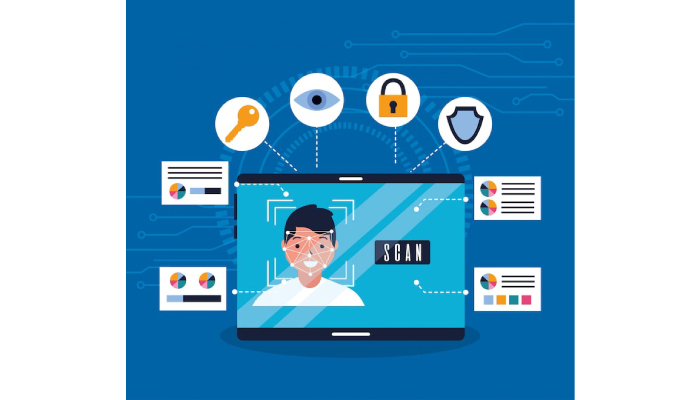
Remote proctoring software operates through a multi-layered verification system. When a test-taker begins their exam, the system first verifies their identity through various means including photo identification checks and facial recognition technology. The software then continuously monitors the test environment, tracking eye gaze patterns to ensure the student is looking at the exam screen. If the test-taker looks away for extended periods, the system flags this behavior for review. Additionally, the software detects when unauthorized applications are opened or when multiple monitors are being used illegally.
Key Features of Effective Proctor Solutions
Leading remote proctor platforms offer features like live proctor availability for immediate issue resolution, AI-powered automated proctoring for 24/7 monitoring, and detailed exam analytics. They provide backup recording of all sessions, lockdown browsers that prevent access to external resources, and secure identity verification processes. These features work together to create a testing environment that is both secure and user-friendly for test-takers.
Setting Up Your Remote Proctoring Process
Implementing a remote proctoring solution requires careful planning and consideration of your organization’s specific needs. The setup process involves selecting an appropriate platform, configuring security settings, training proctors and test-takers, and establishing clear protocols. Organizations must ensure they have adequate technical infrastructure including stable internet connections and suitable devices for all participants. Before fully deploying any remote proctoring system, institutions should conduct pilot testing to identify potential issues and train staff appropriately.
Successful implementation begins with choosing the right platform that aligns with your institution’s security requirements and budget constraints. You’ll need to establish clear communication channels with both proctors and test-takers about expectations, procedures, and technical requirements. Creating detailed documentation and video tutorials can significantly reduce confusion and support requests during the implementation phase. Regular review of the setup process helps identify areas for improvement before high-stakes examinations occur.
Pre-Exam Technical Verification
Before any exam begins, students should complete a comprehensive technical check. This includes testing their internet connection speed, verifying that their webcam and microphone function properly, and ensuring their device meets minimum system requirements. The proctor should verify the test-taker’s environment, checking for inappropriate materials, confirming adequate lighting, and ensuring privacy. This pre-exam verification phase typically takes five to ten minutes and can prevent many technical issues during the actual examination.

Best Practices for Exam Day Success
Successful remote exam administration depends on thorough preparation and clear communication. Test-takers should log in several minutes early to complete final verification procedures and address any last-minute technical concerns. Proctors must maintain professional communication, document any suspicious behavior, and be prepared to make real-time decisions about test accommodations. Organizations should establish clear protocols for handling technical failures, including procedures for exam rescheduling and score validation.
On exam day, maintaining clear communication is essential. Students should know exactly how to contact their proctor if technical issues arise or if they need clarification on exam instructions. Proctors must document everything, including the start time, any suspicious activities, technical issues, and the end time of the examination. This documentation becomes critical if disputes arise regarding test administration procedures or if additional investigation is needed. Having backup proctors available ensures that if one proctor experiences technical difficulties, another can immediately take over without disrupting the student’s examination.
Handling Technical Issues During Exams
Internet connectivity problems can occur unexpectedly during remote exams. Established protocols should address how to respond if a student’s connection drops, if the proctor’s monitoring system fails, or if there are other technical glitches. Most reliable remote proctor platforms automatically record all session data, allowing exams to be resumed if technical failures occur. Students should understand that temporary disconnections don’t automatically invalidate their exam, and most systems have grace periods for brief interruptions. Clear communication about these procedures reduces student anxiety and helps maintain test integrity even when technical problems occur.
Maintaining Security and Preventing Cheating
Security is the primary concern in any remote testing environment. Modern remote proctor solutions use sophisticated algorithms to detect suspicious patterns including unusual eye movements that suggest reading from unauthorized materials, sudden changes in head position that might indicate collaboration, and keyboard patterns that don’t match the test-taker’s known typing characteristics. The system flags anything unusual for proctor review, but most systems use AI to distinguish between genuine concerning behavior and innocent actions like brief distractions.
Effective cheating prevention requires multiple layers of security. Lockdown browsers prevent students from accessing the internet or other applications during the exam. Identity verification ensures the person taking the test is actually the registered student. Continuous monitoring during the exam deters attempts to use unauthorized materials or receive external assistance. Clear policies about what constitutes academic misconduct and consistent enforcement of consequences help establish a culture of integrity. When students understand that cheating will be detected and punished, most choose to focus on test preparation rather than attempting to circumvent the system.
AI-Powered Detection Systems
Artificial intelligence enhances remote proctoring by analyzing thousands of data points during examinations. These systems learn to recognize each individual student’s normal behavior patterns, making them better equipped to detect genuine anomalies rather than false positives. AI algorithms can detect when someone is reading from materials outside the exam window, identify suspicious eye movement patterns, and recognize when multiple people are answering questions. This technology reduces the need for extensive human review while improving detection accuracy, allowing human proctors to focus on cases that genuinely warrant investigation.
Improving Student Experience in Remote Exams
While security is paramount, student satisfaction with remote proctoring systems matters significantly for institutional reputation and student retention. Organizations should prioritize user-friendly interfaces that don’t confuse test-takers or create unnecessary anxiety. Providing multiple support channels, offering practice exams to help students become comfortable with the technology, and maintaining professional but supportive proctor communication all contribute to positive student experiences.
Students often experience anxiety about remote proctoring, particularly when they’re unfamiliar with the technology. Offering practice exams allows students to experience the monitoring process without stakes, reducing their anxiety during actual assessments. Clear communication about what behaviors trigger flags helps students understand that brief, innocent actions won’t be flagged as misconduct. When institutions demonstrate that remote proctoring is about maintaining fairness for all students rather than creating a punitive environment, student acceptance of these systems increases significantly.
Support Resources and Training
Comprehensive support resources help students and proctors succeed with remote proctoring systems. Video tutorials showing how to set up the technology, troubleshoot common problems, and navigate the proctor platform reduce support tickets and student anxiety. Offering multiple contact methods for assistance—including email, phone, chat, and ticketing systems—ensures that students can get help when they need it. Regular training sessions for proctors ensure they understand system updates, can handle edge cases effectively, and maintain consistent standards across all examinations.
Future Trends in Remote Proctoring Technology
The remote proctoring industry continues evolving with new technological advancements. Emerging technologies like biometric authentication, advanced facial recognition, and behavioral analytics promise even more secure and efficient examination processes. As technology improves, remote proctoring systems become less intrusive while maintaining higher security standards, creating better experiences for all test-takers. Organizations should stay informed about these developments and evaluate whether newer technologies could benefit their assessment processes.
Machine learning algorithms will continue improving cheating detection while reducing false positives that frustrate honest test-takers. Blockchain technology may eventually enable secure credential verification and exam record storage. Virtual reality proctoring could provide immersive testing experiences that feel more like traditional testing environments. Organizations implementing remote proctoring today should select platforms built on flexible architectures that can integrate new technologies as they mature, ensuring their systems remain current and effective.
Integration with Learning Management Systems
Modern remote proctoring platforms increasingly integrate seamlessly with popular learning management systems like Canvas, Blackboard, and Moodle. This integration streamlines the exam administration process, reduces manual data entry, and creates better user experiences for both instructors and students. Seamless integration also ensures that exam results sync automatically to student records, reducing administrative burden and improving data accuracy. As technology continues advancing, expecting remote proctor systems to integrate smoothly with your existing educational technology infrastructure is reasonable and increasingly standard.
Conclusion
Software secure remote proctor systems have revolutionized how institutions conduct assessments in our increasingly digital world. By understanding how these systems work, implementing them properly, and maintaining focus on both security and user experience, organizations can create examination environments that are simultaneously secure, fair, and reasonably stress-free for test-takers. The key to successful remote proctoring is balancing thorough security measures with genuine concern for student experience. As you implement or improve your remote assessment processes, remember that the goal is maintaining academic integrity while respecting test-takers’ privacy and dignity. For more information about selecting the right remote proctoring solution for your organization’s needs, consider consulting with ProctorEdu solutions that specialize in secure exam administration. #RemoteTesting #AcademicIntegrity