
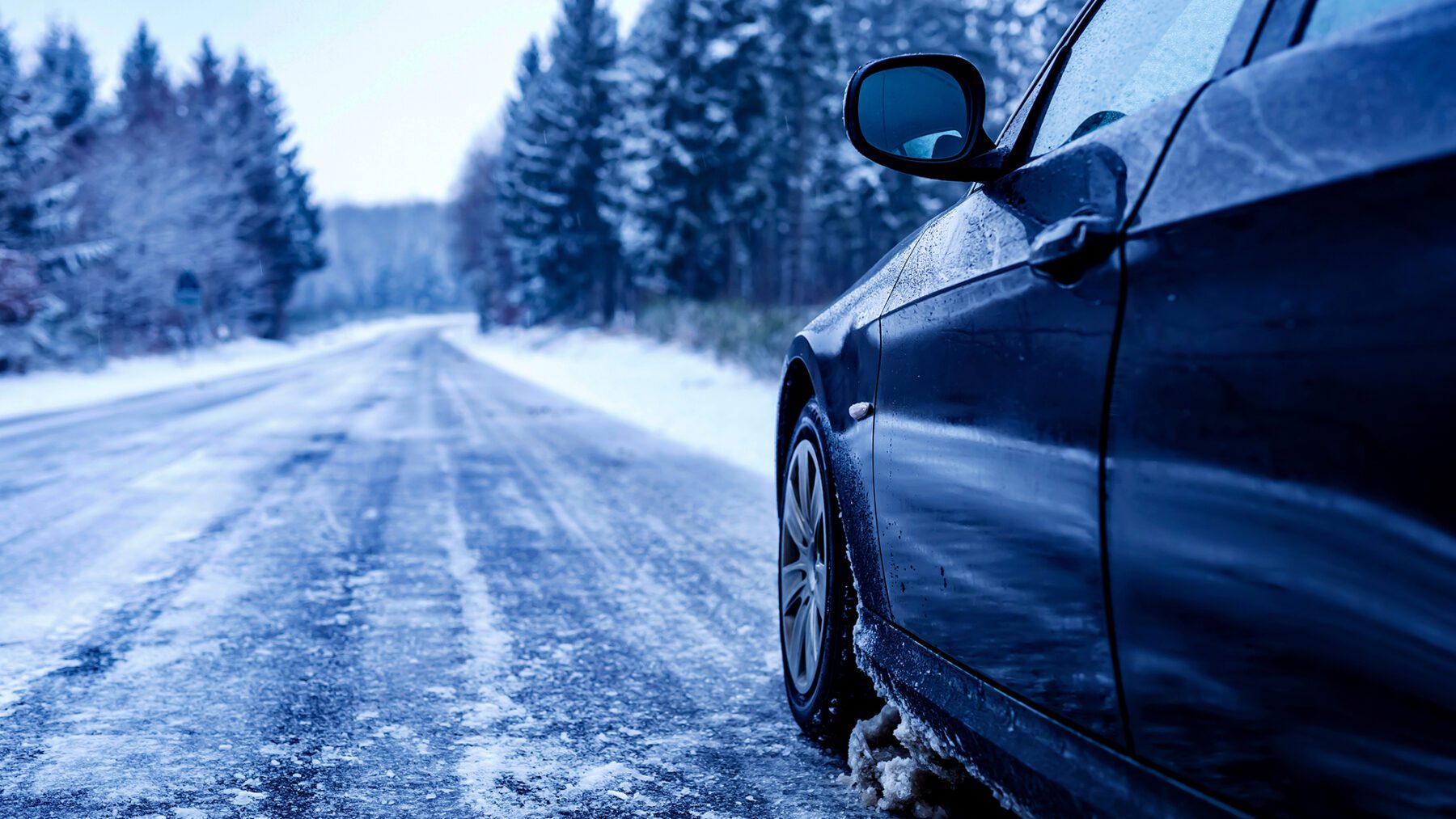
When the temperatures drop and snow starts to fall, your car needs more than just a warm-up in the morning—it needs to be winterized. Cold weather, icy roads, and salted highways all take a toll on your vehicle. Winterizing your car not only improves safety but also protects it from seasonal wear and costly damage.
Whether you’re a daily commuter or just want peace of mind during snowstorms, this guide will walk you through how to winterize your car for snow season step by step.
Why Winterizing Matters
Preparing your car for winter isn’t optional—it’s essential. Cold conditions affect:
-
Battery life
-
Tire pressure and grip
-
Engine performance
-
Brake efficiency
-
Visibility (frost, snow, salt spray)
A properly winterized car is safer, more reliable, and better equipped to handle snow, ice, and freezing temperatures.
Checklist: How to Winterize Your Car
Use this checklist to make sure your car is ready to face snow season.
1. Switch to Winter Tires
All-season tires may not cut it in snowy or icy conditions. Winter tires have deeper treads and rubber compounds that stay flexible in cold weather, offering improved traction and shorter stopping distances. Alongside suspension maintenance with Ironman suspension kits, your car’s body and wheels can pretty much face anything.
Tip: Don’t wait for the first snow—install winter tires when temps drop consistently below 45°F (7°C).
2. Check Your Battery Health
Cold weather can reduce your car battery’s efficiency by up to 50%. If your battery is more than 3 years old, get it tested at a local auto shop or with a home battery tester.
Look for:
-
Slow engine crank
-
Dim headlights
-
Electrical issues (radio, windows, etc.)
If in doubt, replace the battery before it leaves you stranded on a snowy morning.
3. Inspect and Replace Wiper Blades
Snow, salt, and ice quickly wear down your wiper blades. If your blades leave streaks or squeak loudly, it’s time to replace them.
-
Use winter wiper blades that are designed for heavy snow and freezing rain.
-
Refill with cold-weather windshield washer fluid that won’t freeze in the tank or on the windshield.
4. Top Off and Replace Fluids
Cold temperatures can affect your vehicle’s fluids. Make sure the following are winter-ready:
| Fluid | What to Do |
|---|---|
| Antifreeze/Coolant | Check level and mixture ratio (50/50 ideal) |
| Oil | Consider switching to winter-grade oil |
| Brake Fluid | Top off and check for moisture contamination |
| Windshield Washer Fluid | Use a -20°F rated formula to prevent freezing |
5. Check Tire Pressure and Tread Depth
Tire pressure drops with temperature, reducing traction and increasing tire wear.
-
Check pressure weekly using a tire gauge.
-
Inflate to the recommended PSI listed in your car’s door jamb (not the tire sidewall).
-
Check tread depth using a penny or tread depth gauge. Anything below 4/32″ is risky in snow.
6. Protect Your Exterior from Salt Damage
Road salt is necessary for safety, but it’s brutal on your car’s undercarriage and paint.
Winter paint protection tips:
-
Wash your car regularly (especially the underbody)
-
Apply a paint sealant or wax before the first snowfall
-
Use a rubber protectant for plastic and trim
This is especially important for darker vehicles. If you own a black car, using the Best Car Cleaning Products for Black Cars can help maintain a polished, swirl-free finish throughout the harsh winter months.
7. Prepare an Emergency Kit
Every winter-ready car should have an emergency kit. You never know when you’ll get stuck, stranded, or face delays due to road closures or snowstorms.
Must-haves:
-
Ice scraper and snow brush
-
Jumper cables
-
Flashlight and extra batteries
-
Blanket or thermal emergency blanket
-
First-aid kit
-
Non-perishable snacks and bottled water
-
Tire chains (if applicable)
-
Small shovel
-
Cat litter or sand for traction
8. Inspect Your Lights
Winter visibility is already limited with shorter days and snowy conditions. Make sure all your lights are working:
-
Headlights
-
Brake lights
-
Turn signals
-
Fog lights
-
Hazard lights
If your headlights seem dim, consider replacing the bulbs or upgrading to brighter halogens or LEDs. Clean the lenses regularly to prevent salt and grime buildup.
9. Lubricate Locks and Door Seals
Frozen locks and doors are a winter headache. Prevent them by:
-
Spraying graphite lubricant into door locks
-
Applying silicone spray or rubber conditioner to door and trunk seals
This helps prevent sticking, cracking, and freezing when the temps drop.
10. Keep the Gas Tank Half Full (or More)
In cold weather, condensation can build up in your gas tank, leading to fuel line freeze-ups. Keeping your tank at least half full reduces the risk and ensures you have enough fuel in emergencies or traffic delays.
Bonus: Consider Winter Car Mats
Slush, salt, and mud can quickly ruin your car’s interior. Swap out carpeted floor mats for all-weather rubber mats that trap moisture and are easy to clean. They’re affordable and protect resale value over time.
When Should You Winterize?
Ideally by mid-to-late fall, before the first frost or snowfall. Many shops offer seasonal inspections or winter check-up packages—book early to avoid the rush.
Summary Table: Winter Car Prep
| Task | Why It Matters |
|---|---|
| Install winter tires | Improves traction and safety |
| Test car battery | Prevents breakdowns in freezing weather |
| Replace wipers + washer fluid | Maintains clear visibility in snow and ice |
| Check fluids and oil | Ensures engine performance in cold temps |
| Monitor tire pressure + tread | Helps prevent skidding and blowouts |
| Protect paint and undercarriage | Defends against salt, rust, and corrosion |
| Stock emergency kit | Keeps you safe in case of breakdown |
| Inspect lights | Enhances visibility and communication |
| Lube locks and door seals | Prevents frozen components |
| Keep gas tank half full | Reduces risk of fuel line freezing |
Final Thoughts
Winterizing your car is about more than just convenience—it’s about safety, performance, and long-term care. A few preventative steps in the fall can save you from costly repairs, dangerous situations, and unexpected breakdowns during snow season.
From switching to winter tires to protecting your car’s finish from salt damage, these simple upgrades will help your vehicle handle whatever winter throws at it.