
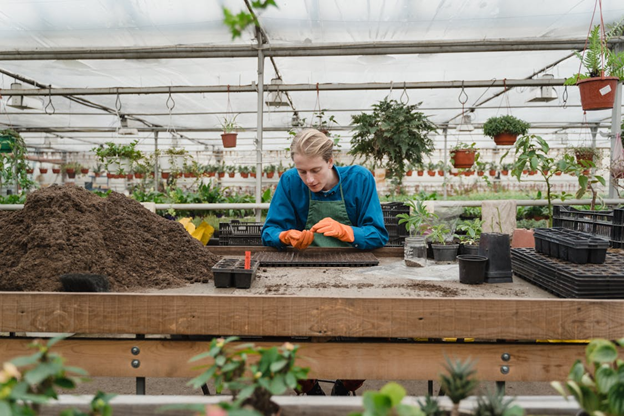
Greenhouses have transcended their traditional role of merely providing a space for plants to grow. With advancements in technology, these structures are now pivotal in empowering home growers and innovative gardeners. More than just an extension of one’s garden, modern greenhouses have become hubs of creativity, sustainability, and efficiency. This shift aligns with a growing interest in organic food, self-sustainability, and environmental consciousness among consumers and growers alike. From beginners to seasoned horticulturists, a wide range of solutions available today facilitates a flourishing growing environment.
Technological Innovations in Greenhouse Design
The design and technology behind today’s greenhouses have evolved dramatically, offering home growers new opportunities. Structures now utilize advanced materials for durability and optimal light filtration. Glass and polycarbonate panels provide effective insulation while allowing maximum sunlight exposure.
Alongside material innovation, climate control systems have made a significant leap forward. Automated systems equipped with sensors monitor humidity, temperature, and light levels, ensuring plants thrive year-round, regardless of external weather conditions. Integrated irrigation technologies reduce waste and target water usage effectively.
Such advancements mean less manual labor and more time for growers to focus on cultivating their plants. Companies like Rimol Greenhouse Systems play a significant role in this landscape by offering specialized greenhouse structures designed for versatility, durability, and ease of use. Home growers benefit from this level of customization, tailoring greenhouses to suit specific gardening goals.
Benefits of Sustainable Practices
Sustainability is a significant motivator for many who embrace greenhouse gardening. Modern greenhouses support sustainable practices in various ways, focusing on reducing carbon footprints. The use of renewable energy, such as solar panels, to power automated systems complements eco-friendly growing practices.
These energy-efficient methods decrease environmental impact and help reduce operating costs. Growing plants in a controlled environment minimizes the need for chemical pesticides and fertilizers, creating healthier ecosystems. Sustainable gardening nurtures biodiversity.
Encouraging pollinators, such as bees and butterflies, can lead to healthier plant growth and fruit production. As consumers become more environmentally conscious, home growers can meet market demands while contributing to environmental conservation.
Community and Knowledge Sharing
Greenhouses have become focal points for community engagement and knowledge sharing among home growers. Whether through workshops or local gardening clubs, these structures foster a sense of community as gardening enthusiasts gather to exchange tips and experiences.
Online forums and social media platforms further facilitate the spread of innovative techniques and strategies. Current trends show a remarkable rise in the number of people interested in urban gardening, often supported by their local communities. Many growers share their successes and setbacks online, building a collective knowledge base that accelerates learning.
This culture of shared experience improves individual skills and inspires a new generation of innovators. As such, community-driven initiatives play an important role in shaping the practices of home growers.
Maximizing Space for Diverse Plant Varieties
Another significant advantage of modern greenhouses is their ability to maximize growing space. Home growers can cultivate a diverse range of plants, including vegetables, herbs, and flowers.
Vertical gardening techniques allow for the efficient use of limited space, enabling gardeners to expand their plant collection without increasing their footprint. Innovative shelving and V-shaped planting systems create room for more plants while maintaining accessibility. Hydroponic and aquaponic systems further revolutionize the growing process, allowing water-loving plants to flourish in minimal space.
This diversity provides a range of food for families and enhances the aesthetic appeal of home gardens. Growers can choose to experiment with exotic plant varieties and showcase their creativity in a confined area.
Health and Wellness Benefits of Gardening
Engaging with a greenhouse provides significant health and wellness benefits. Gardening can act as a form of physical exercise, promoting cardiovascular health, improving strength, and enhancing flexibility.
The act of nurturing plants can reduce stress and boost mental well-being, fostering a sense of accomplishment when plants flourish. Spending time in nature has proven psychological benefits, enhancing mood and reducing anxiety.
Research indicates that gardening activities can help improve focus and cognitive function, making it particularly beneficial for those with attention challenges. Maintaining a greenhouse can become a therapeutic pastime that nurtures both body and mind.
Future Innovations in Greenhouse Technology
Looking ahead, the future of greenhouse technology promises even more exciting innovations. Space farming, driven by advancements in greenhouse designs, aims to make growing food possible in virtually any environment.
Indoor vertical farms are gaining traction, utilizing smart technologies like AI for optimal conditions. The incorporation of augmented reality can offer growers live data on plant health and growth stages, enhancing decision-making processes.
These innovations cater to specialized urban hunger solutions and serve as prototypes for using agriculture in extreme climates or space exploration. As the demand for local, fresh produce grows, so will the functionality and capabilities of modern greenhouses, equipping users with progressive methods.
With advanced technology, efficient design, and community-driven knowledge sharing, these structures make it easier than ever to cultivate diverse, healthy plants in any environment. Their benefits extend beyond gardening, offering meaningful contributions to wellness and environmental stewardship. As technology continues to advance, greenhouses will remain at the forefront of shaping the future of home growing.