
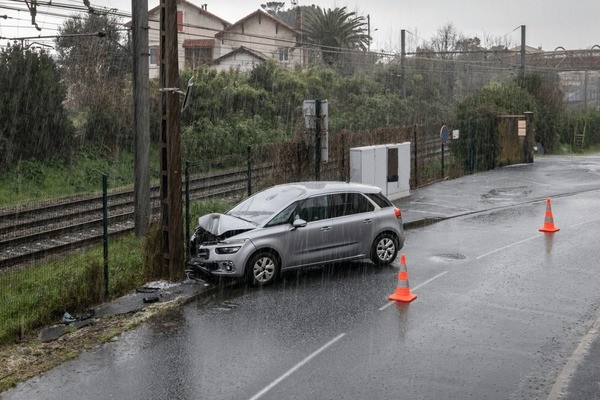
The weather has a direct impact on the safety levels of the road. Within minutes, heavy rain, snow, thick fog, and strong winds can alter roadway conditions and raise the likelihood of an auto collision. Too many drivers do not appreciate how their ability to see the road ahead, stop, and maintain directional control of their vehicle can be severely impacted by changing weather conditions.
While Las Vegas is well-known for its arid climate and sunny days, there will always be times when the weather can suddenly change. This change could include a quick storm that makes desert roads slippery and strong winds that can blow vehicles off course while traveling on open highways.
When accidents occur, victims usually seek professional advice from car accident lawyers in the Las Vegas area who understand the geography of the region and how extreme weather events can have an effect on liability and the claims process.
Types of Severe Weather and Their Impact on Collision Rates
Each type of severe weather condition presents different kinds of hazards for drivers, resulting in collisions.
- Rain and Wet Roads: The Federal Highway Administration estimates that over 1.2 million crashes annually can be attributed to adverse weather conditions, with one of the most common contributing causes being the presence of water on the road surface. Water impairs tire friction, resulting in impaired braking and steering capabilities.
- Fog and Reduced Visibility: Fog reduces visibility to the point where drivers may encounter blind spots and lose sight of stationary traffic or lane changes before they can react to such changes.
- High Winds: Sustained high wind speeds can push vehicles to the side of the road, particularly on elevated or long stretches of highway.
- Extreme Heat: Although extreme heat is typically viewed as a less hazardous severe weather condition, excessive temperatures can result in tire failure and engine overheat, resulting in loss of vehicle control.
Effects of Weather on Auto Accident Claims
Regardless of the weather conditions, the driver will not be absolved of responsibility, and the insurance company will consider whether the driver operated safely in the given conditions.
Two elements will determine the viability of a weather-related claim:
- Rate of speed and the distance between the vehicles. Even if a driver operates at a slower rate of speed, they may be held responsible for speeding if they were traveling at a higher speed on wet or sandy surfaces.
- Condition of the vehicle. Evidence of bald tires, failed lighting systems, or worn-out brake pads can be used against the claimant as it relates to the vehicle’s readiness for travel on that particular road.
Tips for Staying Safe on the Road
Use these steps to reduce your risk:
- Slow down when conditions change.
- Keep headlights on in low visibility.
- Replace worn tires and brakes.
- Allow extra space between vehicles.
- Avoid sudden braking on wet pavement.
Key Takeaways
- Weather affects both accident risk and how claims are handled.
- Even in dry regions, sudden weather changes can increase crash dangers.
- Safe driving and good vehicle maintenance help protect you.