
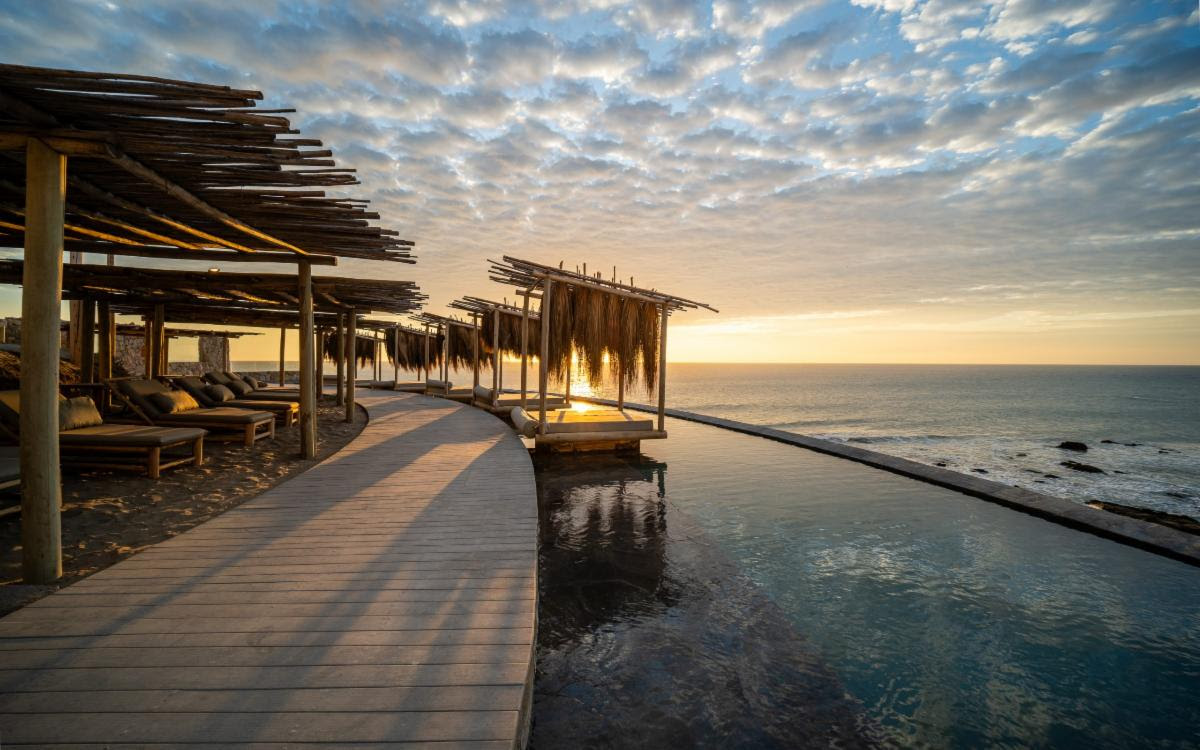
On the remote northern coast of Peru, where desert landscapes meet the vast Pacific, a storied destination is being brought back to life. Seventy years after Ernest Hemingway first arrived in Cabo Blanco, Inkaterra is marking the milestone with the opening of Inkaterra Cabo Blanco—a project that blends history, conservation, and contemporary luxury into a renewed vision for travel.
The initiative is more than a hotel launch; it is a tribute to a place that once captivated writers, adventurers, and anglers from around the world—and a commitment to restoring its legacy for generations to come.
A Legendary Destination Revisited
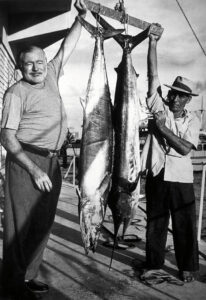
In April 1956, shortly after publishing The Old Man and the Sea and receiving the Nobel Prize in Literature, Hemingway traveled to Cabo Blanco. Drawn by its reputation as one of the world’s premier sport fishing destinations, he spent 36 days immersed in its elemental beauty—where ocean currents collide and the pursuit of giant marlin mirrors the themes of endurance and struggle found in his writing.
At the time, Cabo Blanco had already earned global recognition as the “Mecca of big-game fishing.” The region’s waters produced historic records, including the 1,560-pound black marlin caught by Alfred Glassell in 1953—still the largest ever recorded. These achievements attracted an international mix of Hollywood figures, sportsmen, and explorers, cementing Cabo Blanco’s place in cultural history.
The Rebirth of Cabo Blanco
Today, Cabo Blanco stands at the center of a carefully planned revival. Coinciding with Inkaterra’s 50th anniversary, the company has introduced its eighth property—its first on Peru’s tropical Pacific coast—signaling a new chapter for the destination.
Rather than focusing solely on luxury, the project is built on a model of regenerative tourism, integrating conservation, scientific research, and community development. The goal is not just to attract visitors, but to restore balance between nature, culture, and local livelihoods.
Where Nature and Science Intersect
Cabo Blanco’s ecological significance is profound. Situated at the meeting point of the Humboldt, El Niño, and Cromwell currents, the region hosts one of the richest marine ecosystems on earth—supporting nearly 70% of Peru’s marine biodiversity.
Inkaterra’s efforts extend into both sea and land. Offshore, the company manages a 104-hectare private marine reserve dedicated to biodiversity conservation and sustainable aquaculture. Initiatives such as pearl oyster cultivation also support local women artisans, creating economic opportunities rooted in tradition.
On land, restoration efforts focus on the fragile tropical dry forest ecosystem. Reforestation programs, including the planting of native algarrobo trees, are paired with innovative water treatment systems designed to sustain long-term environmental health.
Architecture Inspired by Heritage and Landscape
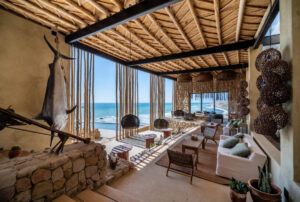
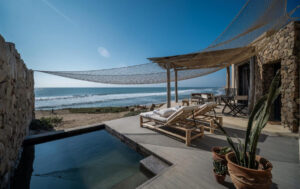
The design of Inkaterra Cabo Blanco reflects a thoughtful dialogue between past and present. Inspired by the vision of Denise Guislain Koechlin, the architecture blends Mediterranean influences with ancestral Mochica principles, emphasizing light, airflow, and harmony with the natural environment.
Set against a backdrop of desert dunes and open sea, the property feels both refined and organic—an extension of the landscape rather than an imposition upon it.
Experiences That Echo the Past
For guests, the experience is as much about storytelling as it is about relaxation.
One of the most distinctive offerings is the opportunity to sail aboard the restored Miss Texas, the legendary yacht once used by Hemingway himself. This journey allows visitors to retrace the routes of the writer and other historic figures, connecting directly with the destination’s past.
Wellness also plays a central role, with therapies inspired by the ocean’s natural elements, including thalassotherapy and halotherapy—treatments designed to harness the restorative properties of sea air and water.
A Haven for Exploration and Discovery
Beyond its cultural significance, Cabo Blanco remains a paradise for nature enthusiasts.
Its waters are home to the “Blue Five” of the Pacific—humpback whales, manta rays, orcas, dolphins, and sea turtles—while its coastline is celebrated by surfers as the site of “the perfect wave.” These natural elements reinforce the destination’s identity as both a sanctuary and an adventure.
A Legacy Reimagined
For Inkaterra founder José Koechlin, the revival of Cabo Blanco carries a deeper meaning.
The same forces that once inspired Hemingway—the wind, the sea, and the promise of discovery—continue to define the destination today. But now, they are part of a broader vision that prioritizes sustainability and long-term impact.
A Destination for the Future
Seventy years after Hemingway’s journey, Cabo Blanco is not simply returning to its former glory—it is evolving into something more meaningful.
Through its blend of history, conservation, and immersive travel experiences, Inkaterra Cabo Blanco represents a new model for luxury tourism—one that respects the past while actively shaping the future.
In this rebirth, Cabo Blanco stands not only as a place of legend, but as a living example of how travel can inspire, restore, and endure.
For more information, visit here.