
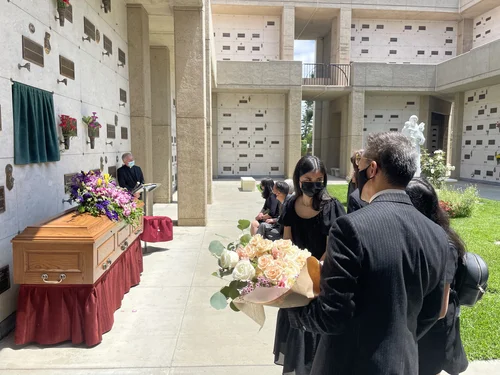
Iranian burial Southern California families seek compassionate funeral services that honor Persian traditions while providing support during difficult times of loss. This comprehensive guide helps Iranian-American families understand their options for culturally appropriate burial services, memorial customs, and funeral planning in the Southern California region. Finding the right funeral home that respects your heritage makes all the difference when saying goodbye to loved ones.
What Should You Know About Iranian Burial Southern California Services?
Iranian burial Southern California services combine traditional Persian funeral customs with modern American funeral practices to create meaningful ceremonies that honor both cultural heritage and practical needs. Iranian funeral traditions typically emphasize quick burial, often within 24 to 48 hours after death, following Islamic or Zoroastrian customs depending on the family’s religious background. The body is traditionally washed and shrouded in white cloth before burial, with specific prayers and rituals performed by family members and religious leaders. Southern California’s large Iranian community has created a network of funeral homes, mosques, and cultural centers that understand these specific requirements and can guide families through the process. Many families choose to incorporate both traditional Persian elements like poetry readings, music, and memorial gatherings called Arbaeen alongside standard American funeral service components. Understanding these options helps families make informed decisions that reflect their values while complying with California state regulations regarding burial and cremation. Funeral directors experienced with Iranian customs can coordinate with local mosques, arrange for proper religious officiants, and ensure all cultural protocols are respectfully observed throughout the service.
Why Choose Iranian Burial Southern California for Your Family?
Choosing Iranian burial Southern California services means working with professionals who understand the unique cultural, religious, and emotional needs of Persian families during times of loss. These specialized funeral homes employ staff who speak Farsi, understand Persian naming conventions, and can communicate effectively with elderly family members who may not be fluent in English. The Iranian community in Southern California is one of the largest outside Iran, creating a supportive network of resources including Persian cemeteries, caterers who provide traditional funeral foods, and florists familiar with appropriate arrangements. For families seeking comprehensive support, exploring professional Iranian burial services can help you understand what options best honor your loved one’s memory. Cultural understanding extends to knowing which prayers to include, how to properly dress the deceased, and what customs should be observed during viewing and burial ceremonies. Families appreciate not having to explain or justify their traditions to funeral providers who may be unfamiliar with Persian customs. The peace of mind knowing your loved one will be treated with proper respect and dignity according to your cultural values cannot be overstated during such difficult times. Additionally, these specialized services often connect families with grief support groups within the Iranian community where shared language and cultural understanding provide extra comfort during the mourning process.
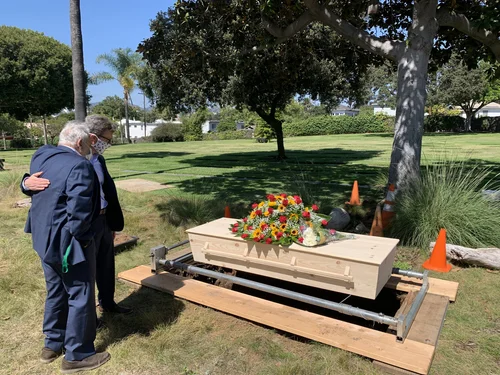
How Do Iranian Funeral Traditions Differ from American Customs?
Iranian funeral traditions differ significantly from typical American customs in several important ways that families should understand when planning services. Timing is perhaps the most notable difference, as Iranian customs generally call for burial within 24 to 48 hours, while American funerals often include week-long viewing periods and delayed burial schedules. Iranian services tend to be more subdued and somber, focusing on prayer, Quran readings, and quiet reflection rather than the celebration-of-life approach becoming common in American funerals. Traditional Iranian mourning includes specific periods like the first three days, seventh day, and fortieth day (Arbaeen) when family members gather for memorial services, unlike the American pattern of a single funeral service followed by occasional anniversary remembrances. Dress codes differ as well, with Iranian mourners typically wearing black or dark colors for extended mourning periods, while American customs have become more flexible regarding funeral attire. Food plays an important role in Iranian mourning traditions, with family and community members providing meals for the bereaved household during the first week, whereas American customs vary widely by region and family preference. Understanding these differences helps Iranian-American families blend traditions in ways that feel authentic while accommodating relatives who may be more assimilated into American culture. Many families successfully create hybrid services that honor both heritages, providing comfort to all attendees regardless of their familiarity with Persian customs.
What Are the Costs Associated with Iranian Burial Services?
Costs associated with Iranian burial services vary based on specific service selections, cemetery choices, and additional cultural elements families choose to include in funeral ceremonies. Basic funeral service packages typically range from $5,000 to $10,000, including preparation of the body, casket, cemetery plot, and basic ceremony coordination. Additional costs may include religious officiant fees, which can range from $200 to $500 depending on the mosque or religious leader providing services. Traditional Persian elements like printed memorial cards with poetry, specialized floral arrangements, and catering for post-funeral gatherings add $1,000 to $3,000 depending on guest count and menu selections. Cemetery plots in Southern California vary widely, with Persian-specific cemetery sections costing between $2,000 and $8,000 depending on location and plot size. Grave markers and headstones with Farsi inscriptions typically cost $1,500 to $4,000 including installation and any custom engraving work. Transportation costs for family members traveling from out of state or internationally should also be factored into overall budget planning. Some funeral homes offer package deals specifically designed for Iranian families that bundle common services at reduced rates compared to individual item pricing. Payment plans and financing options are often available, and some funeral homes work with insurance companies to process life insurance benefits directly. Understanding all potential costs upfront helps families avoid unexpected expenses during an already emotionally challenging time.
Where Can Iranian Families Find Funeral Resources in Southern California?
Iranian families can find funeral resources throughout Southern California, with concentrated services in areas like Los Angeles, Orange County, and San Diego where large Persian communities have established themselves. Westwood and Beverly Hills neighborhoods in Los Angeles County host numerous Iranian-owned businesses including funeral homes, mosques, and cultural centers that provide comprehensive support services. The Islamic Center of Southern California and various Shia and Sunni mosques throughout the region offer religious guidance, prayer services, and connections to funeral directors experienced with Iranian customs. Persian cemeteries like those in Whittier and other Southern California locations provide dedicated sections for Iranian burials with proper orientation toward Mecca and space for traditional grave markers. Community organizations like the Iranian American Community Center maintain resource lists and can recommend funeral providers based on family experiences and feedback. Online directories and social media groups specific to Southern California’s Iranian community often share recommendations and reviews of funeral service providers. Many Iranian-American families also connect through word-of-mouth referrals within their social and religious networks, trusting personal recommendations during sensitive times. Some funeral homes maintain relationships with Persian caterers, florists, and printers who understand cultural requirements and can provide appropriate services for memorial gatherings. Building relationships with these resources before they’re needed helps families feel prepared and confident when making arrangements during difficult times.
Conclusion
Finding the right Iranian burial services in Southern California means working with compassionate professionals who understand your cultural values and can guide you through every step of the funeral planning process. Take time to research different funeral homes, ask questions about their experience with Iranian customs, and trust your instincts about which provider feels like the best fit for your family. Remember that honoring your loved one according to your traditions provides comfort not just for you, but for your entire community who will gather to pay their respects. With the right support, you can create meaningful ceremonies that celebrate your loved one’s life while respecting the cultural heritage that shaped their identity. Your family deserves compassionate care during this difficult time, and quality Iranian burial services in Southern California are ready to provide exactly that.