
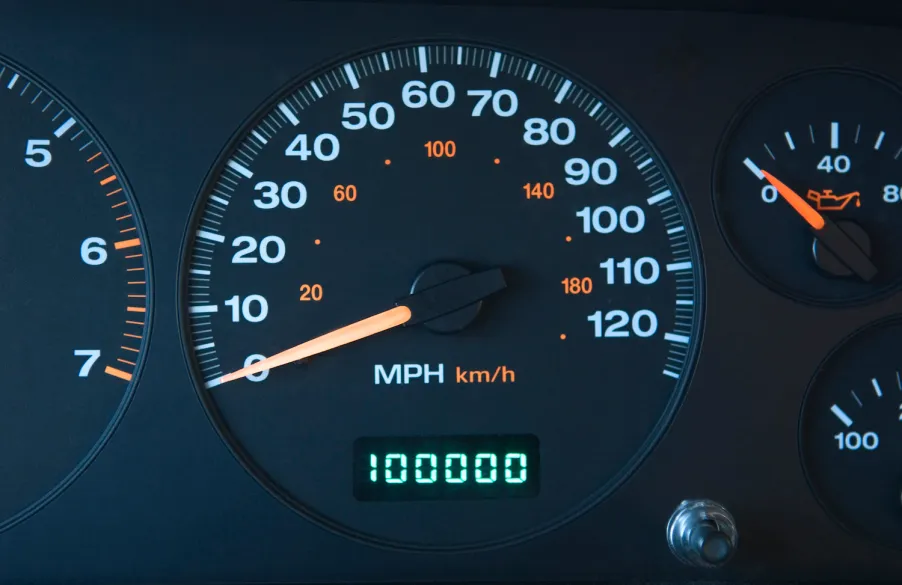
When shopping for a used car, one of the first things buyers notice is the mileage. A car with 100,000+ miles may seem risky—but is it always a bad investment? Not necessarily. High mileage doesn’t automatically mean poor condition or looming repair bills. In fact, with proper maintenance and the right price, it could be a smart financial decision.
In this guide, we’ll explore what to consider before buying a high mileage used car, the pros and cons, what to inspect, and whether it’s worth the risk based on your needs.
What Qualifies as “High Mileage”?
Traditionally, a vehicle is considered “high mileage” when it has over 100,000 miles on the odometer. However, modern cars are designed to last longer than ever, with many surpassing 200,000 miles if properly maintained.
| Mileage Range | Condition Expectation | Buyer Consideration |
|---|---|---|
| Under 60,000 miles | Relatively new, under warranty | Higher price, lower risk |
| 60,000–100,000 miles | Mid-life, needs inspection | Balance of value and wear |
| Over 100,000 miles | High mileage, possible wear | Lower price, higher due diligence |
Pros of Buying a High Mileage Used Car
1. Lower Purchase Price
The main appeal is cost. High mileage cars can be thousands of dollars cheaper than similar models with lower miles, making them accessible to budget-conscious buyers.
2. Depreciation Has Slowed
Most depreciation happens in the first few years. By the time a car hits high mileage, its value drops more slowly.
3. Good for Short-Term Use
If you only need a car for a few years or limited driving, a well-maintained high mileage vehicle may serve you just fine.
4. More Maintenance History
Older cars often come with a detailed service record, which can help you evaluate how well the car was cared for.
Cons of Buying a High Mileage Used Car
1. Higher Risk of Repairs
Parts wear out. With higher mileage, you may need to replace items like:
-
Timing belt or chain
-
Suspension components
-
Water pump
-
Transmission (in some cases)
2. Shorter Lifespan
Depending on the make and maintenance, a high mileage vehicle may have fewer usable years remaining.
3. Limited Warranty Coverage
Most manufacturer warranties expire around 60,000–100,000 miles. Buying high mileage often means you’re responsible for all repair costs.
4. Lower Resale Value
You may not recoup much value if you plan to sell it in a few years.
What to Check Before Buying a High Mileage Car
1. Service History
Ask for a full maintenance log. Look for:
-
Regular oil changes
-
Timing belt replacement (usually required around 100k miles)
-
Transmission and brake services
-
Any major repairs
2. Number of Owners
Fewer owners usually means more consistent care. Multiple owners in a short span can be a red flag.
3. Inspection by a Mechanic
Have a pre-purchase inspection done by a trusted mechanic. They’ll check for:
-
Engine condition
-
Suspension wear
-
Brake system
-
Signs of rust or frame damage
4. Make and Model Reliability
Some cars handle high mileage better than others. Do your research on brand reliability and longevity.
5. Interior and Exterior Condition
A well-maintained car should look and feel clean, even with high mileage. Excessive wear may indicate neglect.
When It’s Worth It to Buy a High Mileage Used Car
Consider purchasing a high mileage car when:
-
You need a temporary vehicle and don’t want to overspend
-
The price is significantly lower than low-mileage alternatives
-
The car has a solid maintenance history
-
You plan to drive limited miles per year
-
You’ve had the car professionally inspected
If you’re mechanically inclined, you can even handle minor issues yourself—like learning How to Program a Car Key Fob at Home—which can save time and money over the long term.
When to Avoid High Mileage Cars
Skip the deal if:
-
There’s no service record available
-
The vehicle has visible engine issues or leaks
-
You’re looking for a long-term daily driver
-
You don’t have a trusted mechanic for repairs
-
The car fails a pre-purchase inspection
Cost Comparison: High vs. Low Mileage Used Car
| Feature | Low Mileage (Under 60k) | High Mileage (Over 100k) |
|---|---|---|
| Purchase Price | $$$ (higher) | $ (lower) |
| Warranty Coverage | Often included | Usually expired |
| Immediate Repairs Needed | Minimal | Moderate to high |
| Lifespan Remaining | Longer | Shorter |
| Resale Value | Higher | Lower |
| Maintenance Records | Varies | Often detailed |
FAQs: Buying High Mileage Used Cars
Is 150,000 miles too much for a used car?
Not necessarily. If the car is well-maintained and has no major issues, it could still provide several years of reliable service. Always get a pre-purchase inspection.
Should I buy a high mileage car for a new driver?
Yes, if it’s safe, affordable, and in good condition. High mileage cars are often better for new drivers to practice on without the stress of damaging a new vehicle.
Do high mileage cars need more maintenance?
Usually, yes. Worn parts are more likely to need replacement. Budget for ongoing maintenance if buying a vehicle over 100,000 miles.
Are high mileage cars bad for long road trips?
It depends. If the car is in good shape, has been serviced recently, and inspected, it can handle road trips just fine. But always prepare with backup plans and emergency tools.
Can a high mileage car last another 100,000 miles?
With the right make, model, and consistent care, it’s possible. Many Toyotas, Hondas, and Subarus are known for longevity.
Final Thoughts
So, is it worth buying a high mileage used car? The answer depends on your goals, the car’s condition, and how much risk you’re willing to manage. If you do your homework, verify maintenance history, and get a proper inspection, a high mileage car can be a smart financial move—especially for short-term use, commuting, or as a second vehicle.
Just remember that long-term reliability varies, and not every high mileage vehicle is created equal. A clean, well-cared-for car with 120,000 miles is likely a better investment than a neglected 80,000-mile vehicle.
And if you’re buying a used car that needs minor updates or fixes, learning simple DIY skills—like How to Program a Car Key Fob at Home—can help stretch your budget and reduce dependency on service centers.