
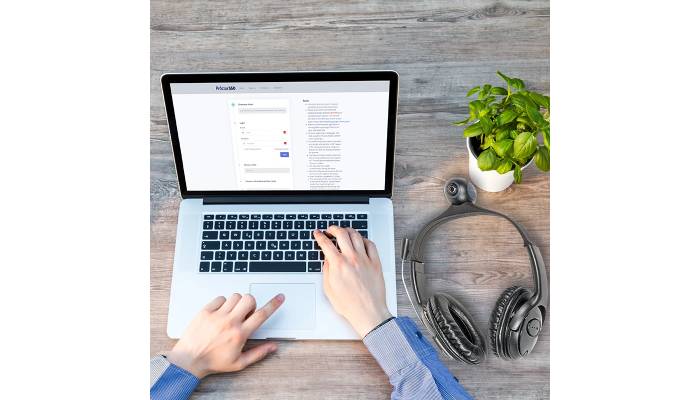
Remote proctoring has gained importance in preserving the integrity of online assessments, especially after the pandemic prompted a shift to digital learning. Initially relying on human proctors, remote proctoring has evolved with artificial intelligence, allowing for automated monitoring of candidates. This new technological approach includes live supervision, recorded sessions for review, and advanced AI tools that analyze behaviors indicative of cheating. However, while secure remote proctoring offers benefits like greater accessibility and cost savings, it also raises concerns about privacy and user experience. As technology advances, the future looks promising for more sophisticated and secure assessment methods in online education.
Understanding Remote Proctoring
Remote proctoring is a method that allows online assessments to be monitored from a distance, ensuring that the integrity of the exam is maintained. This approach has gained traction, particularly as more educational institutions and organizations shift towards digital learning environments. One of the primary advantages of remote proctoring is the flexibility it offers test-takers, who can complete assessments from various locations, making it more accessible to a wider audience.
To facilitate this process, several technologies come into play. Video monitoring allows proctors to observe candidates in real-time or review recorded sessions later. Screen sharing enables proctors to monitor the test-taker’s computer activity, ensuring that they are adhering to exam rules. This technology is vital in upholding academic integrity in online assessments, addressing the challenges faced by traditional in-person testing, such as geographical limitations and scheduling conflicts.
Moreover, software secure remote proctor fosters trust in online qualifications, as it employs rigorous monitoring to reduce the chances of cheating. The user interface for candidates and proctors is designed to be user-friendly, allowing easy navigation during the assessment process. Successful case studies indicate that educational institutions have effectively implemented remote proctoring to uphold standards while accommodating diverse learning needs. Looking ahead, remote proctoring has promising prospects, with the potential to be integrated into various educational contexts, from colleges to professional certifications. Candidate feedback often highlights the importance of a seamless experience, emphasizing that while security is crucial, it should not come at the cost of increased anxiety during assessments.
- Definition of remote proctoring as a method of overseeing online assessments remotely
- Advantages of remote proctoring including flexibility and accessibility for test-takers
- Overview of the technologies used in remote proctoring, such as video monitoring and screen sharing
- Importance of maintaining academic integrity in online assessments
- How remote proctoring addresses the challenges of traditional in-person testing
- The role of remote proctoring in increasing trust in online qualifications
- Explanation of the user interface and experience for candidates and proctors
- Case studies illustrating the successful implementation of remote proctoring
- Future prospects of remote proctoring in various educational contexts
- Evaluation of candidate feedback regarding their experiences with remote proctoring systems
 The Shift from Human to Automated Proctoring
 The Shift from Human to Automated Proctoring
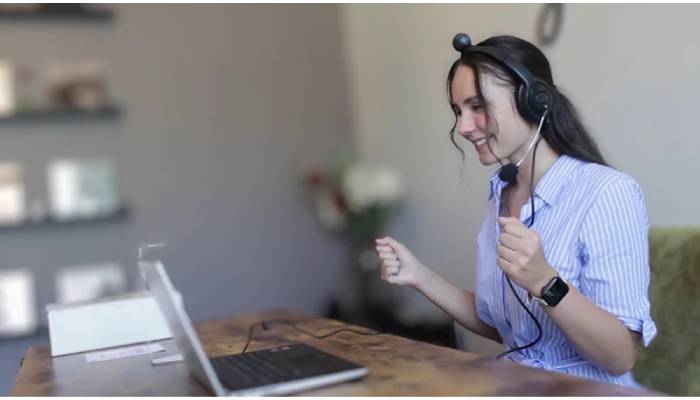
Traditional proctoring methods often relied on human oversight, where proctors monitored candidates in real time, either in-person or through live video feeds. While this approach aimed to ensure exam integrity, it came with several limitations, such as high costs, logistical challenges, and the potential for human bias. As technology advanced, the shift from human proctoring to automated systems emerged, offering numerous benefits. Automated proctoring enhances efficiency and scalability, allowing a larger number of candidates to take exams simultaneously without the constraints of physical proctor availability. This transition was fueled by significant developments in AI and machine learning, which enable systems to monitor behaviors, detect anomalies, and identify potential cheating effectively.
However, concerns regarding the reliability of automated systems compared to human judgment remain. Critics argue that while technology can analyze patterns, it may lack the nuanced understanding a human proctor can provide. Despite these concerns, several platforms have successfully implemented automated proctoring, demonstrating its viability. For instance, companies like ProctorU and ExamSoft have integrated AI-driven monitoring with positive results. Additionally, many institutions are now exploring hybrid models that combine human proctors with automated systems, aiming to balance thorough oversight with the efficiencies of technology.
The COVID-19 pandemic significantly accelerated this shift, as educational institutions were forced to adapt to remote assessments quickly. As a result, the cost of automated proctoring has become more appealing compared to traditional methods, which often involve extensive resources for human proctoring and physical exam spaces. Educational institutions have increasingly embraced these automated solutions, recognizing their potential to maintain assessment integrity while improving accessibility for students.
Exploring Types of Remote Proctoring
Remote proctoring comes in different forms, each with its own advantages and challenges. Live proctoring involves real-time supervision by a human proctor, who monitors candidates through video feeds. This method can provide immediate feedback and address any issues as they arise, but it also requires a significant number of human resources and may lead to inconsistencies based on the proctor’s judgment. Recorded proctoring captures the entire exam session for later review, allowing for a more thorough examination of any suspicious behavior. However, this method can lead to delays in addressing academic dishonesty since actions are only reviewed after the test has been completed.
Automated proctoring uses algorithms to monitor behavior during the exam, analyzing factors such as eye movements and facial expressions to detect potential cheating. This type offers scalability and cost-effectiveness but may raise concerns over privacy and the accuracy of detection. Hybrid models combine elements of both live and automated proctoring, providing the benefits of human oversight alongside automated monitoring. This approach can enhance security while still allowing for immediate intervention when necessary.
The effectiveness of each type varies based on the context of the assessment. For high-stakes exams, live proctoring might be preferred for its direct oversight, whereas recorded or automated methods could be suitable for less critical assessments. Technologically, live proctoring demands robust video conferencing tools, recorded proctoring requires reliable recording software, and automated proctoring needs advanced AI algorithms and monitoring systems. User consent and transparency are crucial across all models, as candidates must be informed about what data is being collected and how it will be used. Looking ahead, we can expect further advancements in technology and customization options, allowing institutions to tailor proctoring methods to meet specific assessment requirements.
Role of AI and Machine Learning in Proctoring
AI and machine learning play a crucial role in enhancing the effectiveness of remote proctoring systems. At their core, these technologies enable computers to learn from data and make predictions or decisions without being explicitly programmed for each scenario. In the context of proctoring, AI analyzes various candidate behaviors, such as facial expressions or eye movements, to detect potential cheating. For instance, algorithms can flag unusual patterns, like a candidate frequently glancing away from the screen or displaying signs of stress, which may indicate dishonest behavior.
Different AI algorithms, such as anomaly detection and supervised learning models, are commonly employed in remote proctoring systems. These algorithms continuously learn from new data, improving their ability to identify suspicious activities over time, thus reducing the rate of false positives in cheating detection. This adaptability is vital, as it helps ensure that genuine test-takers are not wrongly accused of misconduct.
However, the integration of AI in assessments raises ethical considerations, particularly regarding privacy and data security. The extensive monitoring required for effective proctoring can lead to concerns about how candidates’ data is collected and used. Biometric authentication technologies, such as facial recognition, further complicate these issues, necessitating a balance between security and candidates’ rights.
Despite these challenges, the future of AI in remote proctoring looks promising. Innovations are anticipated that will enhance user experience while maintaining rigorous security standards. Case studies have already shown successful applications of AI, where institutions have witnessed significant improvements in exam integrity and reduced incidences of cheating. However, as AI technology continues to evolve, addressing its limitations, such as varying internet speeds and the need for compatible hardware, will be essential for ensuring widespread adoption.
Biometric Authentication in Remote Assessments
Biometric authentication refers to the use of unique physical characteristics, such as fingerprints or facial features, to verify a person’s identity. In the context of remote assessments, it plays a crucial role in ensuring that the individual taking the exam is indeed the registered candidate. This method significantly enhances identity verification, which is essential for maintaining the integrity of online assessments. Common biometric technologies include facial recognition, which analyzes facial features to confirm identity, and fingerprint scanning, which utilizes the unique patterns of a person’s fingertips.
While biometric systems offer enhanced security, they also raise concerns regarding data security and privacy. The handling of biometric data requires stringent measures to protect it from unauthorized access or breaches. Moreover, candidates may have reservations about sharing their biometric information, fearing misuse or insufficient protection.
Implementing biometric authentication can also enhance the integrity of online assessments by reducing opportunities for impersonation or cheating. However, technical requirements, such as compatible hardware and reliable internet connections, can pose challenges for some candidates. Furthermore, the user experience must be carefully considered; overly invasive security measures may create anxiety among test-takers, impacting their performance.
Legal implications are another area of concern, as the use of biometric data must comply with regulations like GDPR, which governs data privacy in many regions. As biometric technology continues to evolve, future developments may focus on improving accuracy and user-friendliness, potentially integrating with other security measures. When compared to traditional identification methods, such as photo ID verification, biometric authentication offers a more secure and efficient alternative, making it a compelling choice for the future of remote proctoring.
Behavioral Analytics and Cheating Detection
Behavioral analytics plays a crucial role in remote proctoring by monitoring candidates’ actions during assessments. This involves tracking behaviors such as eye movement, facial expressions, and even body language. By analyzing these indicators, the system can identify patterns that may suggest cheating, like frequent glances away from the screen or unusual facial expressions that might indicate stress or deception.
The process of collecting behavioral data raises significant privacy concerns. It’s essential that institutions ensure compliance with data protection regulations, like GDPR, when gathering this information. Maintaining a balance between security and privacy is vital to avoid potential backlash from candidates.
Methods for analyzing behavioral data include machine learning algorithms that enhance detection accuracy by learning from previous assessments. For instance, systems can be trained to recognize typical behaviors for a given candidate and flag deviations from those patterns. Successful case studies illustrate this, where institutions have effectively identified cheating attempts through behavioral analytics, leading to improved integrity in assessments.
Despite its advantages, interpreting behavioral data comes with challenges. There is always a risk of false accusations, where a candidate’s nervous habits may be misinterpreted as suspicious behavior. To mitigate this, integrating behavioral analytics with other proctoring technologies can provide a more comprehensive view of a candidate’s actions, reducing the likelihood of misinterpretation.
Looking ahead, advancements in analytics are expected to refine proctoring methods further. Future trends may include more sophisticated algorithms and real-time analysis, which could enhance both the effectiveness of cheating detection and the overall assessment experience. However, ethical considerations surrounding extensive surveillance must remain at the forefront to ensure that candidates feel respected and secure during their evaluations.
Benefits of 360-Degree Monitoring Technology
360-degree monitoring technology offers an innovative approach to remote assessments, providing comprehensive visibility of the exam environment. This technology works by utilizing multiple cameras and advanced software to create a complete view of the candidate’s surroundings, significantly reducing the risk of undetected cheating. The advantages of this comprehensive visibility are clear: it eliminates blind spots that could potentially be exploited by candidates, ensuring that every angle is monitored effectively.
Moreover, this approach enhances the overall user experience for candidates, as it employs less invasive methods of monitoring. Test-takers often report feeling less anxious when they know that they are being observed in a fair and comprehensive manner, rather than under constant scrutiny of a human proctor. Enhanced security measures also protect the integrity of the assessment process, as the technology can quickly identify suspicious behaviors and alert evaluators when necessary.
Implementing 360-degree monitoring can be cost-effective in the long run, as it reduces the need for physical exam centers and the associated overhead costs. However, it does require specific technological setups, including high-quality cameras and robust software systems capable of processing the video feeds in real-time.
Feedback from test-takers has generally been positive, with many appreciating the security and fairness this technology brings to their assessments. Looking ahead, there is significant potential for advancements in monitoring technology, including better integration with AI and machine learning. When compared to traditional monitoring methods, 360-degree technology stands out for its ability to provide a more secure and equitable testing environment.
Current Trends in the Remote Proctoring Market
The remote proctoring market is rapidly evolving as institutions shift towards online assessments. In 2023, the global online exam proctoring market was valued at around $836.43 million, with projections estimating it will nearly double to $1.99 billion by 2029. This growth is largely driven by the increasing prevalence of online learning and the need for secure testing environments. Factors such as the COVID-19 pandemic have accelerated this trend, forcing educational institutions to adapt quickly to digital solutions. Emerging players in the market are introducing innovative technologies, including enhanced AI and automated monitoring systems, which are reshaping how assessments are conducted.
Customer preferences are shifting towards solutions that offer seamless integration with existing Learning Management Systems (LMS) and a focus on user experience. Users are looking for proctoring options that balance security and accessibility. Geographically, adoption rates are rising in regions with strong online education initiatives, while pricing models are becoming more competitive, with many providers offering tiered services to accommodate various institutional needs. Partnerships between technology companies and educational institutions are also becoming more common, enhancing the capabilities and reach of proctoring solutions.
Advantages of Secure Remote Proctoring
Secure remote proctoring offers significant advantages for online assessments, particularly in maintaining academic integrity. By using advanced technology, educational institutions can ensure that candidates are not engaging in dishonest practices during exams. This technology not only deters cheating, but also creates a fair environment for all test-takers. Moreover, remote proctoring is cost-effective, reducing the expenses associated with traditional in-person testing centers and human proctors. This financial benefit can be especially crucial for institutions working with tight budgets.
Another key advantage is accessibility. Remote proctoring allows individuals from various backgrounds and locations, including those in remote areas, to participate in assessments without the need to travel long distances. This inclusivity broadens the pool of candidates and promotes equitable access to education. Additionally, it simplifies the logistics of organizing exams. Educational institutions can avoid the complexities of scheduling and managing physical exam venues, leading to a more efficient assessment process.
Candidates also benefit from the flexibility remote proctoring offers. They can schedule exams at their convenience, which is essential for those balancing work or family commitments. This flexibility can lead to reduced anxiety and better performance. Furthermore, automated systems can monitor large groups of candidates simultaneously, allowing institutions to scale their assessments effectively.
The use of secure remote proctoring generates valuable data, enabling institutions to analyze performance trends over time. This data can inform improvements to educational practices, potentially enhancing overall educational outcomes. In summary, secure remote proctoring not only upholds integrity but also streamlines the assessment process, making it more accessible and efficient for everyone involved.
Challenges in Implementing Remote Proctoring
Implementing remote proctoring in educational institutions comes with several challenges. One of the primary concerns is privacy, as the extensive monitoring of candidates can lead to discomfort and anxiety. Many candidates feel uneasy knowing they are being watched closely, which can affect their performance. Additionally, technical issues often arise, such as varying internet speeds and compatibility between different devices, which can disrupt the testing experience. Institutions also face the challenge of training both candidates and administrators on how to effectively use these technologies. This includes familiarizing them with the software and addressing any potential technical glitches.
Balancing security measures with candidate comfort is crucial. While institutions strive to maintain the integrity of assessments, overly invasive monitoring can erode trust. The financial aspect cannot be ignored either, as deploying and maintaining proctoring technologies can incur significant costs. Legal implications related to data collection and privacy regulations, such as GDPR, further complicate the landscape. Resistance from candidates and institutions to adopt new technologies can slow progress, and as technology continues to evolve, institutions must remain agile to adapt to new challenges.
Future Innovations in Remote Proctoring Solutions
The future of remote proctoring is set to embrace numerous innovations that will enhance both security and user experience. One significant advancement is the integration of advanced AI algorithms, which will improve the detection of suspicious behaviors. These smarter monitoring systems will be crucial in identifying potential cheating attempts, allowing for a more secure testing environment. Alongside this, innovations in biometric technologies, such as palm vein recognition and voice recognition, will further secure the identity of test-takers, greatly reducing the risk of impersonation during exams.
User interfaces will also see a transformation, aiming for more intuitive designs that reduce anxiety and make the exam experience less daunting for candidates. Future proctoring solutions could include real-time feedback mechanisms, guiding candidates on any unintentional rule breaches, thus fostering a more transparent testing environment. Adaptive proctoring techniques may tailor monitoring levels based on individual candidate profiles or exam types, ensuring a balanced approach that considers the candidate’s context.
Blockchain technology might play a pivotal role in maintaining secure, tamper-proof records of assessments, protecting the integrity of results and candidate data. Additionally, collaborative tools for educators could facilitate the sharing of insights regarding candidate behaviors across various assessments, enriching the understanding of academic integrity issues. The potential integration of virtual reality could create immersive testing environments, enhancing monitoring capabilities while providing a unique experience for test-takers.
Advanced data analytics will empower institutions to track trends in cheating, allowing them to adapt their proctoring techniques accordingly. Finally, as regulations around data privacy evolve, remote proctoring solutions must innovate continuously to comply with laws like GDPR, ensuring that candidate privacy remains a top priority.
Frequently Asked Questions
How does remote proctoring keep tests fair?
Remote proctoring uses technology to monitor students during online exams. It can track their movements, detect unusual behavior, and ensure they do not access outside help, helping to maintain fairness.
What happens if there’s a technical issue during the proctored exam?
If a technical issue occurs, proctoring software often has support features. This means help can usually be accessed quickly, and the exam may be paused or adjusted as needed.
Can students use their own devices for remote proctoring?
Yes, students can often take tests on their personal devices, as long as those devices meet the software’s technical requirements and have a functioning webcam and microphone.
Is remote proctoring safe for student privacy?
Remote proctoring is designed to protect student privacy. Most software has strict guidelines about data use, and it often only collects what’s necessary for monitoring the exam.
What kind of exams can use remote proctoring?
Remote proctoring can be used for various types of assessments, including standard tests, quizzes, and certification exams, making it a versatile solution for online education.
TL;DR The blog discusses the rise of secure remote proctoring as a significant innovation in online assessments, highlighting the shift from human to automated proctoring with AI and machine learning enhancing the monitoring process. It explores various types of remote proctoring, the role of biometric authentication and behavioral analytics in cheating detection, and the benefits of 360-degree monitoring technology. The market trends indicate a growing demand for these solutions, despite challenges related to privacy and user experience. The future of remote proctoring looks promising with anticipated innovations and integrations into educational technologies.