
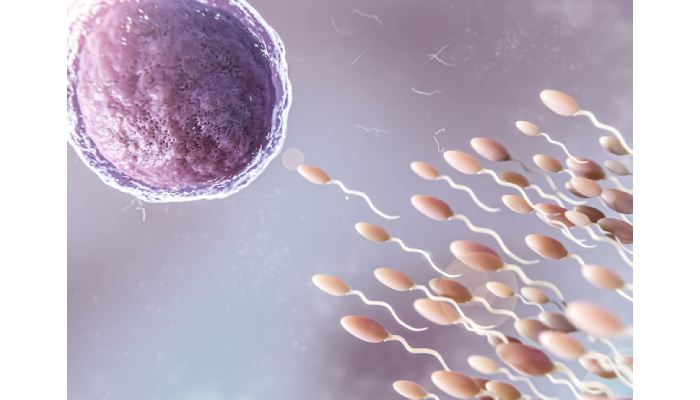
In San Diego, the success rates for IUI treatment offer hope for many couples facing fertility challenges. Typically, IUI yields a pregnancy rate of 5-10% per cycle, which can rise to 15-20% when combined with gonadotropin medications. This is significantly better than the natural conception rate of just 1-3%. Factors like the woman’s age, ovarian health, sperm quality, where at least 10 million motile sperm are required, and correct timing of the procedure play vital roles in determining outcomes. While generally low-risk, some may experience mild side effects. Consulting with a specialist can ensure a tailored approach for the best chance at success.
1. Overview of IUI Treatment Success Rates
IUI, or Intrauterine Insemination, is often a go-to fertility treatment for couples who are having difficulty conceiving. The success rates for IUI can vary widely, influenced by several key factors. On average, couples can expect a pregnancy rate of about 5-10% per IUI cycle. However, when IUI is combined with medications like gonadotropins, this rate can jump to 15-20%. This increase makes it a more appealing option for those looking to enhance their chances of conception. It’s important to note that success rates can differ from clinic to clinic, so researching local statistics in San Diego can provide valuable insight into what to expect.
Interestingly, IUI treatment San Diego tends to be particularly effective for couples with unexplained infertility, where no other issues are detected. For women who have regular ovulatory cycles, the chances of success are generally higher compared to those with irregular cycles. Moreover, many couples find that undergoing multiple IUI cycles can lead to improved cumulative success rates over time. However, age is a significant factor; as women age, particularly after 35, the success of IUI diminishes. This emphasizes the importance of seeking timely intervention if you’re facing fertility challenges.
When comparing IUI with IVF, it’s essential to recognize that while IVF typically offers higher success rates, it is also more invasive and costly. Local factors, such as access to quality fertility care in San Diego, can further influence overall success rates. Additionally, patient education about the IUI process can help alleviate anxiety, making the experience more comfortable and potentially improving outcomes.
2. Key Factors Affecting IUI Success
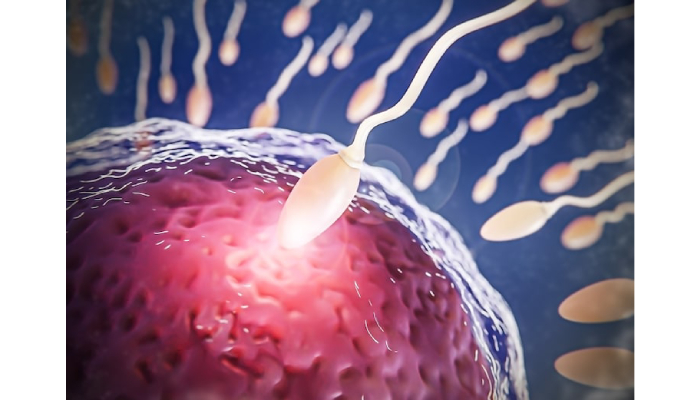
The success of IUI treatments hinges on several key factors. First and foremost is the woman’s age; those under 35 typically have the highest success rates. As age increases, particularly after 35, fertility can decline significantly, which impacts IUI effectiveness. Another important factor is ovarian health. Regular monitoring of ovarian function is crucial to ensure ovulation occurs, setting the stage for a successful IUI cycle.
Sperm quality is also a vital component. For optimal chances of pregnancy, a minimum of 10 million motile sperm is recommended. This emphasizes the need for thorough sperm analysis prior to the procedure. Timing the IUI procedure accurately is essential too; ideally, it should take place just before or after ovulation to maximize the chances of fertilization.
The endometrial lining’s thickness plays a critical role in implantation. A healthy endometrium, ideally between 8 and 14 mm, is optimal for successful pregnancies. Underlying medical conditions, such as endometriosis or thyroid issues, can adversely affect IUI outcomes. Additionally, lifestyle choices, including smoking and overall health, should be addressed before starting treatment, as they can influence fertility significantly.
Emotional well-being cannot be overlooked either. Managing stress through various techniques may improve success rates, and having supportive partners can enhance the overall experience during this journey. Finally, creating individualized treatment plans based on comprehensive fertility evaluations can greatly enhance outcomes for different patient profiles.
- The woman’s age is a significant factor, with women under 35 enjoying the highest success rates in IUI treatments.
- Regular monitoring of ovarian function ensures that ovulation is occurring, which is key for IUI success.
- Sperm quality and count are critical, with at least 10 million motile sperm recommended for optimal chances of pregnancy.
- Accurate timing of the IUI procedure is essential, ideally performed just before or after ovulation to maximize fertilization chances.
- The endometrium’s thickness is vital for implantation, with a healthy range of 8-14 mm being optimal for successful pregnancies.
- Medical conditions like endometriosis or thyroid issues can adversely affect the outcome of IUI treatments.
- Lifestyle choices such as smoking, weight, and overall health can influence fertility and should be addressed prior to treatment.
- Emotional well-being plays a role; stress management techniques may improve success rates.
- Individualized treatment plans based on comprehensive fertility evaluations may enhance outcomes for various patient profiles.
- Partner support and involvement can positively impact the emotional experience and success of the IUI process.
3. Recommendations for IUI Treatment
Considering IUI treatment? Here are some recommendations to enhance your chances of success. First, it’s advisable to go through 3-6 cycles of IUI before moving on to more invasive procedures like IVF. This timeframe allows for a reasonable number of attempts to assess what works best for you. Embracing a healthy lifestyle is equally important; a balanced diet and regular exercise can significantly support your fertility journey.
Regular communication with your fertility specialist is vital. Discuss any concerns and be open to modifying your treatment plan to better suit your needs. Emotional support can make a big difference too. Joining counseling sessions or support groups can help ease the stress that often accompanies fertility treatments.
Tracking your ovulation is another powerful tool. Utilizing home kits or fertility apps can empower you to understand your cycles better, enabling optimal timing for IUI. Don’t forget to talk to your healthcare provider about fertility medications that can be used in conjunction with IUI, as they may improve your outcomes.
Financial considerations are crucial too. Ensure you understand your insurance coverage and any out-of-pocket costs associated with IUI. Lastly, looking into complementary therapies like acupuncture can promote relaxation and overall well-being during treatment. Engaging both partners in the decision-making process fosters a supportive environment, enhancing emotional resilience, which is key to navigating this journey together. Remember, regular follow-ups to evaluate progress and adapt your treatment strategy are essential for improving your chances of success.
4. Potential Risks of IUI
IUI is generally considered a safe procedure, but like any medical intervention, it comes with some potential risks. Mild discomfort or cramping can occur during or after the procedure, which most women find manageable. However, if you’re using fertility medications, there’s a small chance of experiencing multiple pregnancies, which can lead to complications. Another rare but serious risk is ovarian hyperstimulation syndrome (OHSS), a condition that requires close monitoring and can arise from certain fertility drugs. It’s important to note that while infections are minimal risks associated with the catheter insertion during IUI, proper protocols significantly reduce this chance.
Additionally, some women may experience emotional stress or anxiety due to the uncertainty surrounding treatment outcomes. This emotional aspect is just as vital as the physical, and seeking mental health support can be beneficial. Minor bleeding after the procedure can happen but is usually not a concern unless it becomes heavy or persistent. The quality of sperm used is another crucial factor; if it’s not properly processed, it can affect the success of the IUI. Many women also report anxiety related to the timing of the procedure, but relaxation techniques can help manage these feelings. Understanding the potential side effects of any medications used in conjunction with IUI is essential for making informed decisions. Always discuss any concerns or questions with your healthcare provider to ensure you feel supported and well-informed throughout the process.
5. Final Thoughts on IUI in San Diego
IUI offers a ray of hope for many couples navigating the challenging waters of fertility. When tailored to meet individual needs, it can be a powerful option. However, success rates can differ widely, influenced by factors such as age, health, and precise timing, underscoring the importance of personalized care. In San Diego, there are numerous reputable fertility clinics that cater to various circumstances, giving couples the freedom to choose what fits best for them. Staying informed and hopeful about IUI and other treatment options is essential. Regular consultations with fertility specialists can demystify the process and enhance the likelihood of success. Emotional support from friends, family, or support groups can provide a comforting backdrop during this journey. Additionally, keeping abreast of advancements in fertility treatments may unveil new possibilities for couples considering IUI. Financial planning is also crucial, as the costs can add up quickly over multiple cycles. Open communication between partners can foster a supportive environment, enhancing the treatment experience. Ultimately, understanding the IUI process empowers couples and can be a significant step toward achieving their dream of parenthood.