
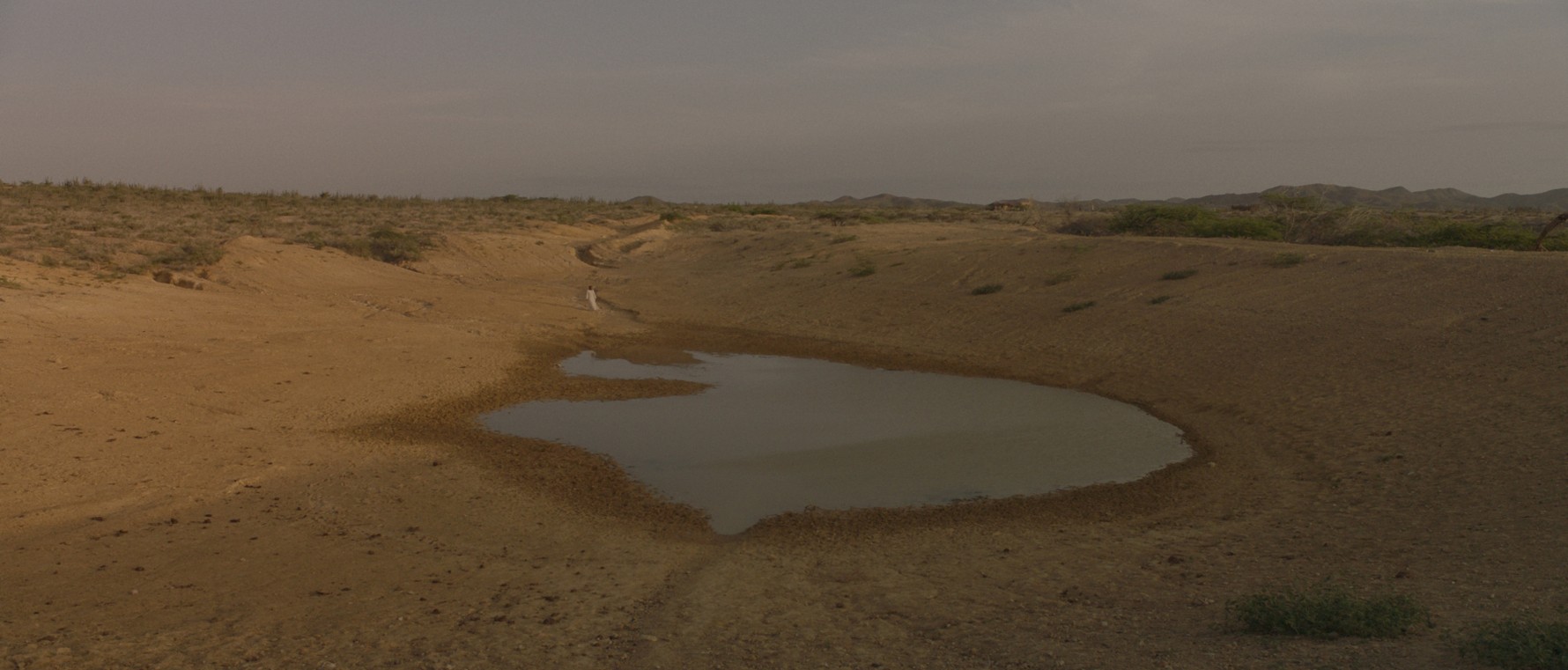
The short film Jülapüin Yonna (The Dream of Dance) will celebrate its world premiere as an official selection in the Generation 14plus section at the 76th Berlin International Film Festival. Directed by Wayuu filmmaker Luzbeidy Monterrosa Atencio, the film is a poetic meditation on time, ancestral memory, and resistance rooted in Indigenous cosmology. Blending dream imagery with ritual choreography, the work positions Indigenous youth not as passive observers of crisis but as living vessels of knowledge, healing, and continuity.
A Story Where Time Has a Name
At the heart of the film is Weinshi, a Wayuu girl whose name means “time.” Through her visions and her embodied connection to the sacred Yonna dance, Weinshi becomes a bridge between past and future. The narrative unfolds in a fluid, non-linear structure where memory is cyclical and prophecy feels immediate. Rather than presenting a straightforward plot, Monterrosa Atencio creates a sensory experience where time bends and ancestral voices echo across generations. Weinshi’s presence reframes the idea of childhood as sacred stewardship, placing responsibility and hope in the hands of the young.
Landscapes Marked by Extraction and Survival
Set in La Guajira on Colombia’s Caribbean coast, the film draws its atmosphere from the stark beauty of desert, wind, and sea. Yet beneath these expansive landscapes lies the enduring shadow of extractivism. The arrival of the Cerrejón coal mine in the 1980s, the largest open-pit mine in the world, reshaped the territory and inflicted lasting environmental trauma on the Wayuu people. The film does not rely on documentary exposition to tell this history. Instead, it evokes dispossession, drought, poisoned soil, and militarization through sensation and atmosphere. A distant radio voice later names these incursions as “tiempos de progreso,” a bitter irony that contrasts sharply with the lived devastation of land and community.
Dance as Living Language
Central to the film is the Yonna dance, presented not as folklore but as a living spiritual language. Through choreographed movement, saturated color, and layered sound, the dance becomes an act of remembrance and defiance. The body carries memory when words fall short. The choreography culminates in a final surge of movement, water, and ancestral calling, suggesting that resistance is not only political but deeply embodied. The film mourns Woumainkat, Mother Earth, yet it also insists on continuity through ritual and rhythm.
A Lyrical and Political Voice
Luzbeidy Monterrosa Atencio brings a distinct cinematic voice shaped by activism and cultural organizing. Her storytelling blends political clarity with lyrical imagery, creating works that center Indigenous girls and women while addressing land rights and territorial sovereignty. She previously directed La danza del perdón, which participated in major development labs including the Macondo Lab and international residencies connected to the Vancouver International Film Festival. Her upcoming documentary Akoyolowa – Covering the Soul has received development support from Colombia’s national film fund and was selected for the Latin American Lab at the Morelia Film Festival.
Beyond directing, Monterrosa Atencio is deeply engaged in community work. She founded the Shinyak Kashikai Association and has served on the Indigenous Women’s Committee for CEDAW UN Recommendation No. 39. As coordinator of the Wayuu Film and Video Showcase and a member of the Putchimajanaa Network, she strengthens Indigenous communication and storytelling infrastructures in La Guajira.
Supported by Indigenous-Led Networks
Jülapüin Yonna is supported by the Indigenous Cinema Alliance and its Latin American partner organization MULLU. The Indigenous Cinema Alliance works globally to increase financing access, market visibility, and professional development for Indigenous filmmakers. Through collaboration at major festivals and markets, the organization advocates for sovereignty in storytelling and cultural specificity in narrative form. MULLU amplifies Indigenous and Afro-descendant voices across Latin America, using multilingual distribution and co-production strategies to expand access beyond conventional industry pathways.
Screening Information in Berlin
The film will screen as part of Berlinale Generation 14plus Short Films 2 on February 18 at Urania and February 19 at Cubix 6 in Berlin. Positioned within one of the festival’s most dynamic youth-focused programs, the premiere marks a significant milestone for Monterrosa Atencio and for Wayuu cinema.
A Vision of Continuity and Responsibility
Jülapüin Yonna stands as both elegy and invocation. It confronts environmental and cultural erasure while refusing despair. Through Weinshi’s visions and the pulse of the Yonna dance, the film suggests that time is not linear but cyclical, that grief can coexist with renewal, and that Indigenous youth carry the future in their steps. In bringing this vision to the Berlinale stage, Monterrosa Atencio affirms cinema as ceremony, resistance, and dream woven into one.
Visit here for more information.
Stay tunned with me:
She’s All Over the Place Podcast
Click on Instagram
About me here