
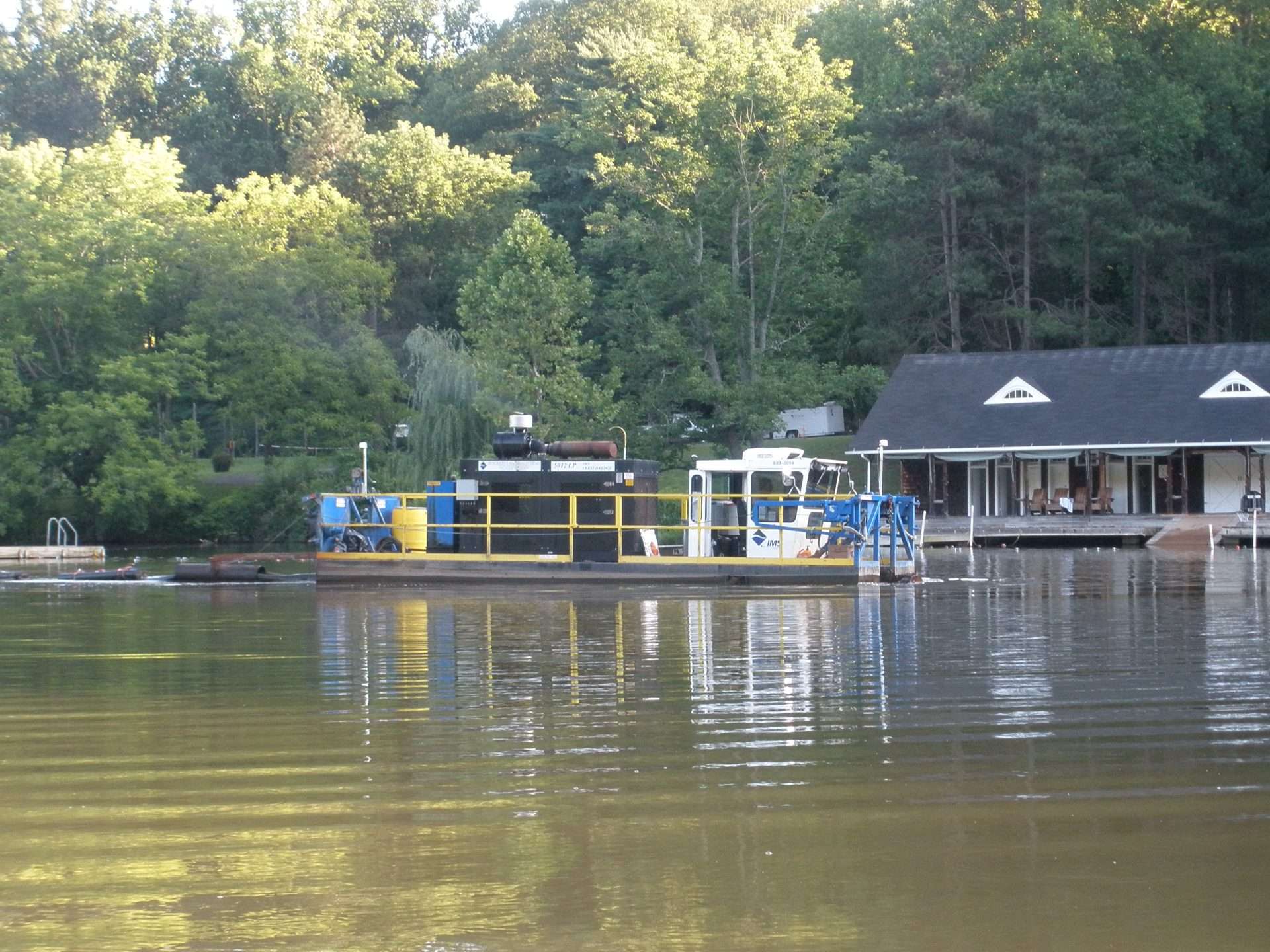
Maintaining the health and functionality of lakes, reservoirs, and ponds requires specialized equipment and expertise. Lake dredging equipment plays a crucial role in removing accumulated sediment, sludge, and debris that can compromise water quality and aquatic ecosystems. Whether you are managing a small pond or a large reservoir, understanding the various types of dredging equipment available is essential for effective waterbody restoration.
This comprehensive guide explores the different lake dredging equipment options, their applications, and how to choose the right tools for your specific needs. Proper dredging not only improves water quality but also helps maintain storage capacity and supports wildlife habitats.
Understanding Lake Dredging Equipment
Lake dredging equipment encompasses a wide range of machinery designed specifically for removing sediment from water bodies. These machines range from compact, portable units for small water features to massive industrial systems capable of handling large-scale reservoir maintenance projects. The primary goal of any dredging operation is to restore water depth, remove contaminated sediments, and improve overall water quality.
Modern lake dredging equipment has evolved significantly over the years, incorporating advanced technology that minimizes environmental impact while maximizing efficiency. From hydraulic dredgers to mechanical excavators, each type of equipment serves specific purposes depending on the project scope and environmental conditions.
Types of Dredging Equipment for Lakes
When it comes to lake dredging equipment, there are several main categories to consider. Hydraulic dredgers use water pressure to loosen and transport sediment, making them ideal for soft, fine-grained materials. Mechanical dredgers, including excavators and clamshell dredges, excel at removing harder sediments and debris. Amphibious dredgers offer versatility for accessing challenging terrain around water bodies.
Cutter suction dredgers combine cutting heads with suction systems, making them versatile for various sediment types. Trailing suction hopper dredgers are designed for larger operations and can transport dredged material to disposal sites. Each type offers unique advantages depending on project requirements, budget constraints, and environmental considerations.
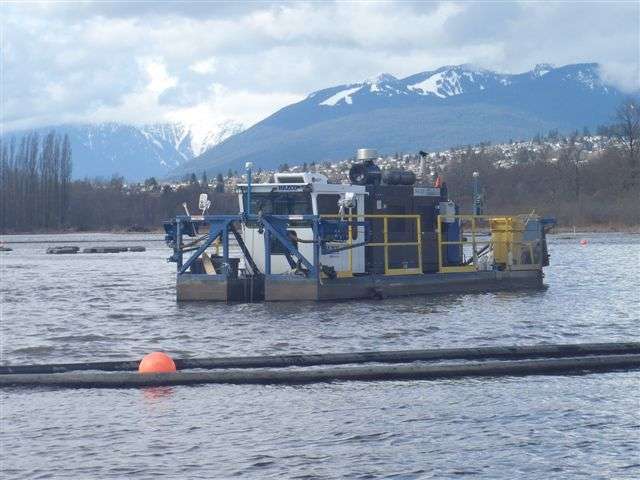
Applications of Lake Dredging Equipment
Lake dredging equipment serves multiple purposes beyond simple maintenance. These machines are essential for restoring water storage capacity in reservoirs, which is crucial for water supply and flood control. Dredging also helps control invasive plant growth by removing nutrient-rich sediments that fuel algae blooms. Additionally, sediment removal improves water clarity and supports recreational activities like fishing and swimming.
Environmental restoration projects heavily rely on professional lake dredging equipment to remove contaminated sediments that pose risks to aquatic life. By properly maintaining water bodies with appropriate dredging technology, communities can protect ecosystems while preserving valuable water resources for future generations.
Choosing the Right Dredging Equipment
Selecting appropriate lake dredging equipment requires careful consideration of several factors. The type and consistency of sediment significantly impact equipment selection, as does the size of the water body and accessibility of the site. Environmental regulations may also influence equipment choices, particularly in sensitive ecological areas.
Budget considerations are equally important, as different equipment types come with varying operational costs. Some projects may benefit from renting equipment temporarily, while others justify purchasing dedicated machinery for ongoing maintenance needs.
Conclusion
Investing in quality lake dredging equipment is essential for effective waterbody management and restoration. Whether you are a property or environmental contractor, manager, municipality, having the right tools ensures successful project outcomes while protecting aquatic ecosystems.