
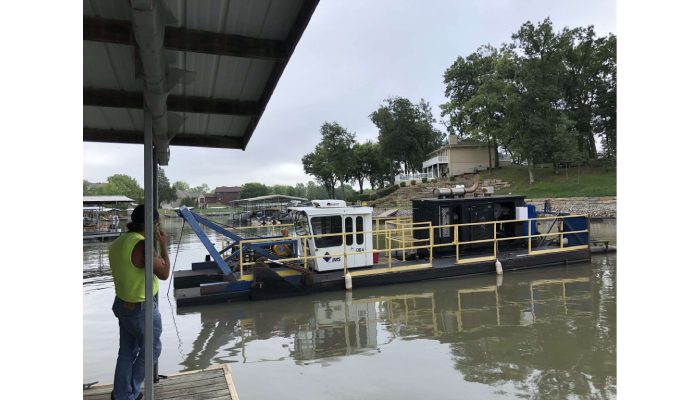
Lake dredging projects can be exciting yet challenging, with various types of equipment showing distinct strengths and weaknesses. Cutter suction dredgers (CSD) shine in deep, precise tasks, efficiently handling soft materials like silt. On the other hand, bucket dredgers excel in shallow waters and can tackle large debris effectively. However, improper choices can hinder success; for example, using a bucket dredger in deep areas often leads to inefficiency. Proper planning is vital to avoid delays and additional costs caused by environmental regulations or maintenance issues. Ultimately, understanding each equipment’s capabilities and limitations ensures effective lake projects while minimizing ecological impacts.
1. Types of Lake Dredging Equipment
Lake dredging equipment stand out as a top choice for deep and precise dredging tasks. These machines excel in soft to medium materials such as silt and sand, making them a powerhouse for larger projects. However, they do face limitations when it comes to hard materials and boulders, which may require additional tools to tackle tougher conditions. On the other hand, Bucket Dredgers shine in shallow waters and are versatile enough to handle a variety of materials including gravel and clay. Their speed and efficiency in removing large debris make them a go-to for maintenance dredging, although they might find soft sediments a bit challenging, where suction dredging usually wins out. Hydraulic Dredgers employ hydraulic pumps to effectively remove sediment and are particularly adept at transporting materials over longer distances. Yet, their performance can fluctuate based on sediment type and density, affecting both efficiency and dredging depth. Lastly, Environmental Dredgers are specifically designed to work in sensitive ecological areas, prioritizing minimal disturbance to habitats. While they are effective in removing contaminants, they often operate slower and come with higher costs compared to traditional dredging equipment, necessitating careful planning and compliance with regulations.
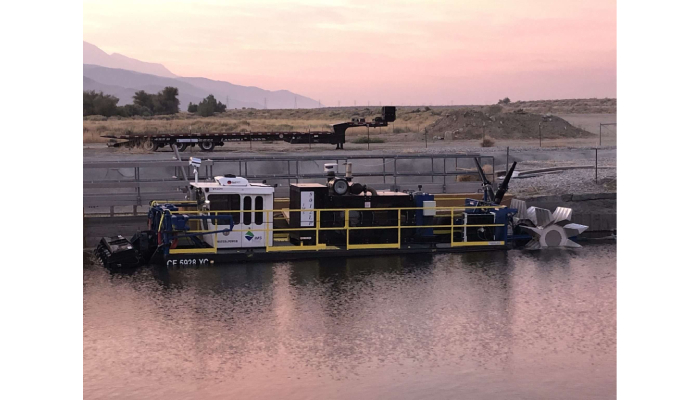
2. Cutter Suction Dredgers: What Works
Cutter Suction Dredgers (CSD) are a standout choice in the world of lake dredging, thanks to their remarkable versatility and efficiency across various sediment types. These powerful machines excel in soft to medium materials, like silt and sand, allowing for deep and precise dredging that meets the specific needs of a project. Their design includes a rotating cutter head that breaks up the sediment, which is then suctioned away, making them ideal for both large-scale and detailed tasks.
In addition to their effectiveness, CSDs can adapt to changing site conditions, providing flexibility that enhances project outcomes. This adaptability is crucial in environments where sediment types may vary significantly, ensuring that operators can tackle challenges head-on. For example, a CSD can seamlessly transition from dredging soft mud to more compacted materials, reducing downtime and boosting overall productivity.
Moreover, the efficiency of CSDs can lead to significant cost savings. By selecting the right dredger for the job, projects can avoid delays and maximize labor resources. This is particularly important when dredged materials need to be transported over long distances, where Hydraulic Dredgers come into play, complementing the CSDs by ensuring that materials are moved swiftly and effectively.
Environmental considerations are integral to modern dredging projects, and CSDs can be used in conjunction with environmental dredging equipment to minimize ecological disturbance. Collaborating with environmental specialists can enhance the effectiveness of dredging efforts, especially in sensitive areas. The combination of proper equipment selection, site assessments, and operator training can significantly improve project efficiency and safety, making Cutter Suction Dredgers a top choice for many lake dredging applications.
3. What Works in Lake Dredging Projects?
Cutter Suction Dredgers (CSD) shine in lake dredging due to their adaptability and efficiency across different sediment types. They can precisely tackle soft to medium materials like silt and sand, making them a top pick for many projects. Meanwhile, Bucket Dredgers excel in shallow waters, adept at navigating through debris-filled areas, perfect for maintenance tasks that require resilience. On the other hand, Hydraulic Dredgers are the champions when it comes to moving dredged materials over long distances, significantly cutting down on labor time and costs.
For projects focused on ecological restoration, using Environmental Dredgers is essential. These machines minimize ecological disturbance while effectively removing contaminants, although they may be slower and more costly due to their specialized nature. Choosing the right dredger based on site conditions not only ensures smoother operations but also enhances project outcomes. Flexibility in equipment selection allows teams to adapt to any changes in site conditions, which is vital for success.
Collaboration with environmental specialists can elevate the effectiveness of dredging in sensitive areas, ensuring compliance with regulations and ecological sensitivity. Additionally, regular training for operators on specific equipment can boost both efficiency and safety during operations. Conducting thorough site assessments before starting dredging activities helps identify potential challenges and streamline the entire process, paving the way for successful project completion.
4. Case Studies: Success Stories in Dredging
Case studies from various lakes showcase the effectiveness of different dredging equipment and approaches. For example, in Lake X, Cutter Suction Dredgers were successfully employed to remove 100,000 cubic yards of sediment, significantly enhancing water quality. Meanwhile, the project in Lake Y demonstrated the versatility of Bucket Dredgers, which navigated through debris to restore vital habitats for local wildlife.
In Lake Z, specialized environmental dredging equipment achieved an impressive 80% reduction in contaminant levels, highlighting the critical role of compliance with environmental regulations. Lake A’s sediment management project benefited from Hydraulic Dredgers that efficiently transported materials over 10 miles, streamlining project timelines.
Collaboration was key in Lake B, where working closely with local agencies ensured regulatory adherence, leading to a successful dredging outcome. Innovative techniques, like sonar mapping in Lake C, allowed for better planning by assessing sediment types before dredging began.
A multi-phase project in Lake D effectively utilized both Bucket and Cutter Suction Dredgers, achieving optimal sediment removal. Environmental dredging in Lake E not only cleaned the water but also restored fish habitats, balancing effectiveness with ecological health. Real-time monitoring during dredging operations in Lake F minimized disruptions and optimized efficiency. Finally, community engagement in Lake G fostered local support and led to positive outcomes, emphasizing the importance of involving stakeholders in the planning process.
5. Lessons Learned from Dredging Projects
Planning is vital for the success of dredging projects. Before operations begin, it’s essential to assess sediment types and consider the environmental impacts. Regular maintenance of equipment helps prevent costly delays and ensures everything runs smoothly. Choosing the right dredging method can make or break a project; using mismatched equipment leads to inefficiencies and wasted resources. Compliance with local regulations is crucial, as failing to adhere can cause significant setbacks and legal troubles. Conducting environmental assessments before dredging can save time and minimize ecological harm during the project. Engaging the community in the planning stages fosters support and acceptance among local stakeholders. Flexibility in project plans is key, allowing teams to adapt to real-time challenges they may face. Investing in operator training enhances equipment handling and boosts safety, which is a priority in any dredging operation. Leveraging advanced technology, like GPS and sonar, improves planning and execution, paving the way for more effective dredging. Finally, evaluating project outcomes after completion provides valuable insights that can inform future dredging endeavors.
- Planning is crucial: Projects must assess sediment type and environmental impact before starting dredging operations.
- Regular equipment maintenance prevents costly delays and ensures operational efficiency during projects.
- Selecting the right dredging method significantly influences project success; mismatched equipment can lead to inefficiencies.
- Understanding local regulations is essential; non-compliance can halt projects and incur legal penalties.
- Environmental assessments prior to dredging can save time and reduce ecological impacts during execution.
- Community involvement in the planning stages can enhance project acceptance and support from local stakeholders.
- Flexibility in project plans allows adjustments based on real-time conditions and challenges encountered during dredging.
- Investing in training for operators leads to better handling of equipment and improved safety during operations.
- Using advanced technology, such as GPS and sonar, allows for better planning and execution of dredging projects.
- Evaluating project outcomes post-completion helps in gathering insights for future dredging endeavors.
Frequently Asked Questions
What types of equipment are used for lake dredging?
Lake dredging typically uses a variety of equipment like dredgers, excavators, and suction pumps. These tools help remove sediment or debris from the lake bed.
How do I know if my dredging equipment will work effectively?
To find out if your equipment will work, consider its design, the type of material you’re dredging, and the size of the lake. Researching experiences from other users can also give you valuable insights.
What are some common problems encountered with lake dredging equipment?
Common issues include clogging, breakdowns, or insufficient power. These problems can arise due to poor maintenance or using equipment that is not suitable for the specific dredging task.
How can I maintain my dredging equipment to ensure it lasts?
Regular maintenance is key! This includes cleaning components, checking for wear and tear, lubricating moving parts, and following the manufacturer’s guidelines for inspections.
What are the environmental considerations when using dredging equipment?
It’s important to consider the ecosystem! Sediment disturbance can affect fish habitats and water quality, so always check local regulations and best practices to minimize environmental impact.