
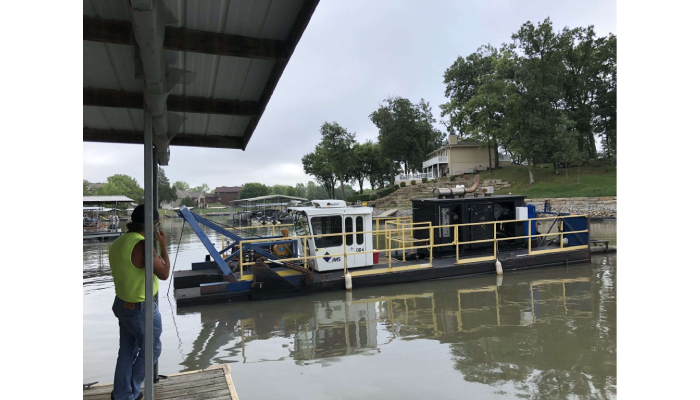
Lake dredging plays a crucial role in maintaining healthy ecosystems and enhancing recreational spaces. With methods like mechanical, hydraulic, and environmental dredging, different equipment serves unique purposes. For instance, Cutter Suction Dredgers are great for deep sediment removal while Bucket Dredgers excel in shallow waters and debris cleanup. However, challenges lurk around every corner: equipment breakdowns can delay projects and regulatory compliance adds complexity. Picking the right tool for the job is key to efficiency too; using unsuitable methods can lead to wasted time and resources. By planning properly and engaging communities, successful dredging initiatives can greatly benefit aquatic habitats while boosting local economies.
1. Overview of Lake Dredging
Lake dredging equipment is a crucial process aimed at rejuvenating our water bodies. Over time, sediments can accumulate, leading to reduced depth and increasing the risk of flooding. By removing these sediments, dredging helps restore lakes to their natural state, enhancing water quality and promoting a healthier ecosystem. Regular dredging not only prolongs the lifespan of lakes but also prevents costly future restorations.
The removal of sediment encourages biodiversity, creating better habitats for aquatic species. As lakes become clearer and deeper, local tourism flourishes, attracting fishing and boating enthusiasts. Additionally, improved aesthetics and usability can boost property values around these lakes. Another vital aspect of dredging is its role in mitigating climate change, as it reduces methane emissions from decaying organic matter in sediments.
Understanding the historical context of a lake can also be achieved through sediment analysis prior to dredging, revealing environmental changes over time. Moreover, dredging projects can serve as educational opportunities for communities, highlighting the importance of water management. Innovative technologies are continuously being developed to make the dredging process more efficient and eco-friendly. When stakeholders collaborate effectively, they can design dredging projects that meet the diverse needs of their communities.
2. Methods of Dredging
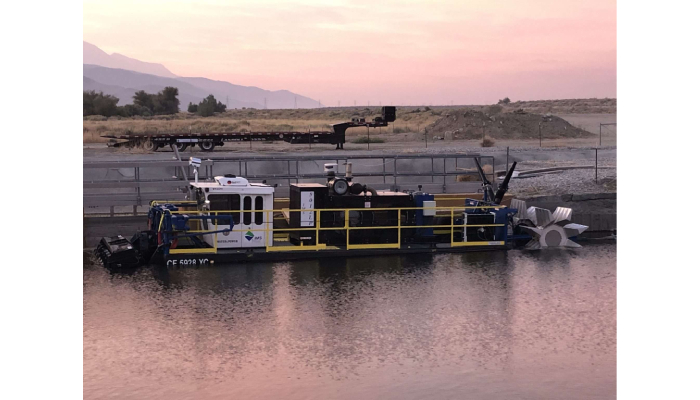
Dredging methods are as diverse as the lakes they aim to improve. Mechanical dredging is a straightforward approach, often employed in shallow areas where precision is less critical. It involves using equipment like excavators and clamshell buckets to physically scoop out sediment, making it ideal for smaller lakes or targeted sediment removal. On the other hand, hydraulic dredging utilizes suction to transport materials, making it highly effective for larger projects. This method excels in areas with soft, unconsolidated sediments that are easy to remove, allowing for cost-effective transportation of dredged material over long distances using water power.
Environmental dredging techniques are gaining traction, focusing on minimizing ecological disturbance while effectively removing contaminated sediments. These methods often incorporate silt curtains to contain disturbed materials, helping protect aquatic habitats during the process. In situ remediation, which allows for on-site treatment of contaminants during dredging, is another innovative approach that enhances environmental safety.
For those looking to promote sustainability, many dredging methods facilitate the reuse of dredged materials in construction or landscaping projects. This not only reduces waste but also offers a practical solution for local communities. The selection of dredging methods can vary based on specific conditions, and often, a combination of techniques is employed to optimize the project’s outcomes. Advanced monitoring techniques can assess sediment quality and guide the choice of methods, adapting in real-time to enhance efficiency. However, careful consideration of local regulations and ecological impacts is crucial for successful execution.
3. Types of Dredging Equipment
When it comes to dredging lakes, selecting the right equipment is crucial for achieving desired results. Cutter suction dredgers (CSD) are among the most versatile options available. They excel in handling various sediment types, making them ideal for different projects, from deep dredging to precise sediment removal. Their rotating cutter head can tackle even the softest materials, ensuring efficiency in operations.
Bucket dredgers, on the other hand, shine when it comes to maintenance tasks. They can quickly and effectively remove large debris from the lakebed, making them perfect for keeping waterways clear and navigable. Their speed and efficiency allow for swift project completions, which is essential for maintaining lake health.
For projects in sensitive ecological areas, environmental dredgers are designed with specialized features to minimize disturbance to aquatic life. These dredgers often employ slower, more careful methods to ensure the surrounding habitat remains protected during operations, though this can come at a higher cost.
Modern dredging equipment frequently includes GPS technology for precise navigation, allowing operators to execute dredging plans with accuracy. Additionally, multi-purpose dredgers provide flexibility by enabling operators to switch between different dredging methods, adapting to the specific needs of each project.
Emerging trends also show a rise in electric or hybrid-powered dredgers, which help reduce emissions and promote sustainability within the industry. Investing in the latest technology can lead to improved outcomes and lower operational costs over time, enhancing overall project efficiency.
Moreover, customizing dredging equipment for specific tasks can significantly boost both effectiveness and efficiency. It’s important to train operators thoroughly on the equipment to maximize productivity and ensure safety during dredging activities. With the right combination of technology, customization, and skilled operation, dredging projects can achieve remarkable results.
4. Benefits of Lake Dredging
Dredging a lake brings a multitude of benefits that can transform the ecosystem and enhance recreational opportunities. One major advantage is improved water clarity, which supports underwater plant growth and promotes overall lake health. This clear water not only looks more inviting but also encourages a thriving aquatic environment. Additionally, dredging can eliminate invasive species by removing their habitats, thus fostering native biodiversity. This is crucial for maintaining a balanced ecosystem.
Increased lake depth is another significant benefit, as it enhances the recreational experience. Boaters and water sports enthusiasts can enjoy a more expansive area, accommodating larger vessels and activities. Dredging also improves fishing conditions by creating better spawning habitats, which helps sustain fish populations and supports local fishing economies.
Restoring natural flow patterns through dredging is essential for preventing erosion and maintaining shoreline integrity. This not only protects the land but also ensures the long-term health of the lake’s environment. Moreover, the materials removed during dredging can often be repurposed for local construction projects, providing an economic boost to communities.
Dredging creates jobs related to equipment operation, project management, and environmental monitoring, contributing to local economies. Successful dredging projects can serve as models for future initiatives, sharing valuable lessons with other regions and promoting best practices. Furthermore, dredging helps manage nutrient levels in the water, reducing the risk of harmful algal blooms that can threaten aquatic life and water quality. To ensure that the benefits of dredging are sustained, long-term monitoring is vital, as it informs future management decisions and helps maintain the health of the lake.
5. Challenges and Failures in Dredging
Dredging projects often face a multitude of challenges that can derail timelines and inflate budgets. For instance, unexpected geological conditions may require adjustments to equipment, leading to costly delays. Budget overruns frequently occur when initial estimates do not account for unforeseen complications, creating financial strain on projects. Community opposition can also rear its head, especially if local stakeholders feel excluded from the decision-making process, resulting in protests or calls for project halts.
Weather conditions can wreak havoc on dredging schedules, with heavy rain or storms causing delays and further increasing costs. Additionally, sediment quality assessments can reveal contaminants, necessitating extra handling and disposal measures that were not initially planned for. Navigating complex environmental regulations is another hurdle; a lack of thorough understanding can lead to penalties that further complicate the project.
Inadequate planning may result in project inefficiencies or incomplete sediment removal, ultimately impacting the long-term success of the dredging endeavor. Limited availability of skilled labor can hinder both timelines and operational effectiveness, as projects struggle to find qualified personnel. Moreover, technological failures, such as equipment breakdowns, can disrupt operations and lead to unexpected expenses. Lastly, effective communication among team members is crucial; misunderstandings can derail projects, adding yet another layer of complexity to an already challenging undertaking.
6. Case Studies of Successful Dredging
Lake dredging projects can lead to remarkable transformations, and several case studies highlight their success. For instance, Lake A implemented regular dredging and saw a 50% improvement in water clarity, which in turn boosted aquatic biodiversity. Lake B’s community-led dredging project enhanced recreational fishing, resulting in a 30% increase in local tourism revenue, showcasing how local engagement can yield economic benefits. In Lake C, over 200,000 cubic yards of contaminated sediment were removed, successfully restoring habitat for native fish species. Meanwhile, Lake D collaborated with environmental organizations to ensure minimal disturbance during the dredging process, achieving high community satisfaction. Innovative approaches were also seen in Lake E, where new dredging technology reduced operational costs by 20% compared to traditional methods. Notably, Lake F engaged local schools in educational programs during dredging, fostering community support and raising awareness about environmental issues. Lake G achieved a significant reduction in flood risks by increasing lake capacity through targeted dredging efforts. Post-dredging, Lake H implemented a monitoring program that showed sustained water quality improvements over five years. Lastly, Lake I demonstrated the effectiveness of community involvement in planning, leading to smoother project execution and enhanced results. Even more impressively, Lake J successfully repurposed dredged materials for local park renovations, enriching community spaces and fostering engagement.
7. Best Practices for Successful Dredging Projects
To ensure a successful dredging project, begin with comprehensive feasibility studies. This step is vital as it helps identify potential challenges early on, saving valuable time and resources. Establishing clear communication channels among all stakeholders is also crucial, ensuring everyone remains informed and engaged throughout the process. Utilizing adaptive management practices can provide the flexibility needed to respond to changing conditions during dredging, making adjustments as necessary.
Incorporating local knowledge into the project design can greatly enhance its effectiveness, aligning the project more closely with community needs. Setting measurable goals helps track progress, allowing stakeholders to see the project’s success. Investing in training for operators is another key factor, as it enhances safety, efficiency, and the overall success of dredging operations.
Leveraging technology for monitoring and assessment can significantly improve project outcomes and ensure compliance with regulations. A detailed timeline with milestones keeps projects organized and on budget, while regular updates to the community foster trust and transparency, which can lead to positive public relations. Finally, conducting post-project evaluations is essential to identify lessons learned and areas for improvement in future dredging initiatives.
- Conducting comprehensive feasibility studies can identify potential challenges early on, saving time and resources.
- Establishing clear communication channels among stakeholders ensures everyone is informed and engaged throughout the project.
- Utilizing adaptive management practices allows for flexibility in responding to changing conditions during dredging.
- Incorporating local knowledge can enhance project design and implementation, ensuring better alignment with community needs.
- Setting measurable goals for dredging projects helps track progress and demonstrates success to stakeholders.
- Investing in training for operators enhances safety, efficiency, and the overall success of dredging operations.
- Incorporating technology for monitoring and assessment can improve project outcomes and compliance with regulations.
- Creating a detailed timeline with milestones can keep projects on track and within budget.
- Regular community updates can foster trust and transparency, encouraging positive public relations.
- Post-project evaluations help identify lessons learned and areas for improvement in future dredging initiatives.