
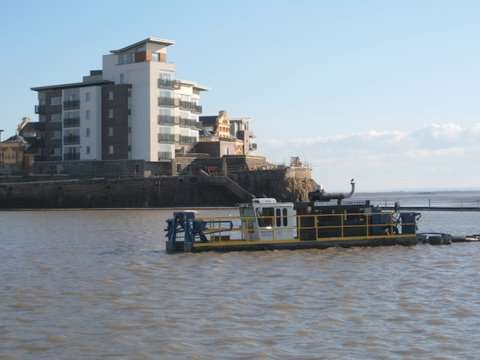
Lake dredging plays a key role in maintaining water quality and supporting aquatic ecosystems, but the effectiveness of various equipment can make a big difference. Cutter suction dredgers are favored for deep digging tasks as they handle soft materials quite well. On the other hand, bucket dredgers thrive in shallow waters, quickly removing debris with ease. Hydraulic dredgers are efficient for fine sediments over long distances, while environmental dredgers focus on minimizing habitat damage during delicate projects. However, challenges like sediment contamination and navigating regulations can hinder success. Careful planning and community engagement help ensure that dredging efforts achieve their goals responsibly.
1. Types of Lake Dredging Equipment
Cutter Suction Dredgers (CSDs) are top choices for deep and precise dredging tasks. They can handle soft to medium materials like silt and sand effectively. Their adaptability to various sediment types allows for quick transitions, which helps reduce downtime and boosts productivity. On the other hand, Bucket Dredgers shine in shallow waters, easily managing larger debris. They are particularly efficient for maintenance dredging, thanks to their speed in removing big pieces of sediment.
Hydraulic Dredgers use hydraulic pumps to excavate and transport materials over long distances. This makes them ideal for fine sediments, cutting down on labor time and costs associated with moving materials. Environmental Dredgers, however, are designed for sensitive ecological areas. They focus on minimizing habitat disturbance, which is crucial for ecological restoration, even though they tend to be slower and more costly.
Dredge attachments can improve performance, like using specialized buckets tailored for different sediment types or conditions. Portable dredgers are versatile options for temporary projects, allowing for quick setup and adaptability in various locations. Dredging barges provide stability and can support larger equipment, making them suitable for extensive operations.
For enhanced safety, remote-operated dredging equipment allows for operations in hazardous conditions, reducing risks to personnel. Additionally, innovative technologies like GPS and sonar systems aid in precise dredging and monitoring, leading to better project outcomes. Lastly, maintenance tools and specialized repair kits are essential to keep Lake dredging equipment operational, minimizing downtime.
 2. What Works in Lake Dredging Projects
 2. What Works in Lake Dredging Projects
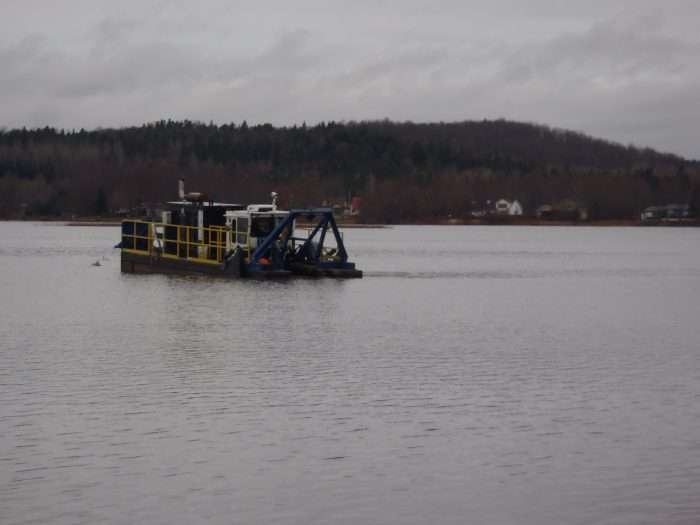
Effective equipment selection is key to the success of lake dredging projects. Properly matching the dredging equipment to the specific project conditions can greatly enhance outcomes. For instance, using cutter suction dredgers in suitable environments allows for efficient sediment removal and minimizes downtime. Additionally, conducting thorough site assessments enables teams to understand the sediment composition and any potential environmental impacts, which leads to better planning and execution.
Communication among project stakeholders is also crucial. When everyone involved has a clear understanding of the project objectives and responsibilities, the likelihood of achieving project goals increases significantly. Furthermore, utilizing experienced crews who are familiar with specific types of equipment can reduce operational risks and enhance overall efficiency.
Incorporating real-time monitoring systems into dredging operations allows teams to make quick adjustments as needed, leading to improved outcomes. Conducting pre-dredging surveys helps in identifying challenges early, facilitating smoother operations and minimizing surprises during the project.
Implementing waste management strategies for handling removed materials is essential in addressing environmental concerns. This ensures that the dredged material is managed responsibly, aligning with regulatory requirements and community expectations.
Lastly, developing contingency plans for potential issues, such as equipment failures or adverse weather, can keep projects on track. Engaging with local communities before and during the project fosters good relations and helps address any concerns they might have, which is vital for long-term project success.
3. Challenges and Failures of Dredging Equipment
Dredging operations face numerous challenges that can lead to failures or delays. One significant issue is sediment contamination, which complicates the dredging process. When dredging contaminated sediments, pollutants can spread, making environmental restoration more difficult. To address this, specialized treatment techniques are often necessary to manage these pollutants effectively.
Unforeseen geological changes can also impact dredging depth and efficiency. If the ground conditions are different from what was expected, it may require adjustments in equipment or strategies. This highlights the need for adaptable equipment that can handle unexpected situations.
Equipment breakdowns are another common challenge, leading to delays that can affect project timelines and budgets. Routine maintenance and inspections are critical to prevent these breakdowns and ensure that the equipment operates smoothly.
Insufficient training for operators can lead to accidents or inefficient operations. Providing ongoing education and training for dredging crews is essential to minimize risks and enhance productivity.
Budget constraints can limit the options for dredging equipment, sometimes forcing project managers to choose less suitable machinery for specific conditions. This can lead to inefficiencies and increased costs.
Additionally, navigating complex environmental regulations is crucial. Non-compliance can result in project delays or penalties, making it vital to stay informed about the latest regulations.
Dredging operations can also be hampered by difficult weather conditions, underscoring the importance of having contingency plans in place for adverse scenarios.
Community opposition can arise due to concerns about noise and environmental impacts. Engaging with local communities proactively can help address these concerns and foster support for dredging projects.
Finally, limited access to certain sites can complicate logistics, necessitating innovative solutions for transporting equipment and materials. Inadequate project planning often leads to oversights that can cause unexpected challenges during dredging operations.
- Sediment contamination can complicate dredging efforts, often requiring specialized treatment techniques to manage pollutants effectively.
- Unforeseen geological changes can impact dredging depth and efficiency, highlighting the need for adaptable equipment and strategies.
- Equipment breakdowns can lead to significant delays, underscoring the importance of routine maintenance and inspections.
- Insufficient training for operators can lead to accidents or inefficient operations, emphasizing the need for ongoing education.
- Budget constraints can limit equipment options, sometimes forcing the use of less suitable machinery for specific conditions.
- Navigating environmental regulations requires thorough knowledge, as non-compliance can result in project delays or penalties.
- Difficult weather conditions can hinder operations, necessitating contingency plans for adverse scenarios.
- Community opposition can arise due to concerns about noise and environmental impacts, requiring proactive engagement and communication strategies.
- Limited access to certain sites can complicate logistics, necessitating innovative solutions for transporting equipment and materials.
- Inadequate project planning often leads to oversight of critical factors, causing unexpected challenges during dredging operations.
4. Lessons Learned from Dredging Projects
Successful dredging projects start with solid planning and thorough site assessments. Understanding the site helps teams anticipate challenges, which can make operations smoother. It’s also key to be flexible during the dredging process. Conditions can change quickly, and teams that adapt on the fly often see better results. Continuous training for crew members is vital too. Keeping everyone updated on best practices and safety standards ensures effective operations. Strong communication among stakeholders fosters collaboration and helps address concerns as they arise. Regularly reviewing project milestones allows teams to pinpoint areas that need improvement. This ongoing evaluation can lead to smarter strategies for future projects. Emphasizing environmental stewardship not only mitigates negative impacts but also builds community support, which is essential for successful outcomes. Utilizing advanced technology for monitoring can enhance data collection and decision-making, leading to more efficient dredging operations. Lastly, documenting lessons learned from past projects provides invaluable insights for future endeavors, helping teams make informed choices and avoid previous mistakes.
Frequently Asked Questions
What types of lake dredging equipment are commonly used?
Common lake dredging equipment includes suction dredgers, hydraulic dredges, and bucket dredges, all designed to remove sediment and debris from underwater.
How do I know if my dredging equipment is working properly?
You can check if your dredging equipment is working well by monitoring its performance, looking for consistent sediment removal, and ensuring there are no unusual noises or leaks.
What are the potential challenges when using dredging equipment in lakes?
Challenges can include navigating shallow waters, dealing with underwater obstacles, managing sediment disposal, and ensuring compliance with environmental regulations.
Can I use standard construction equipment for lake dredging?
While some standard construction equipment can be adapted for dredging, specialized dredging equipment is usually more efficient and effective for underwater tasks.
What factors contribute to the failure of dredging equipment?
Factors include improper maintenance, using the wrong type of equipment for specific sediment types, and environmental conditions like strong currents or poor visibility.
TL;DR Lake dredging is essential for water quality and ecosystem restoration. Key equipment types include cutter suction dredgers, bucket dredgers, hydraulic dredgers, and environmental dredgers, each suited for different tasks. Successful projects rely on effective equipment selection, environmental considerations, and regular maintenance. Challenges like sediment contamination, regulatory compliance, and operational access can hinder progress. Lessons emphasize thorough planning, adaptability, and continuous operator training to improve outcomes while minimizing ecological impact.