
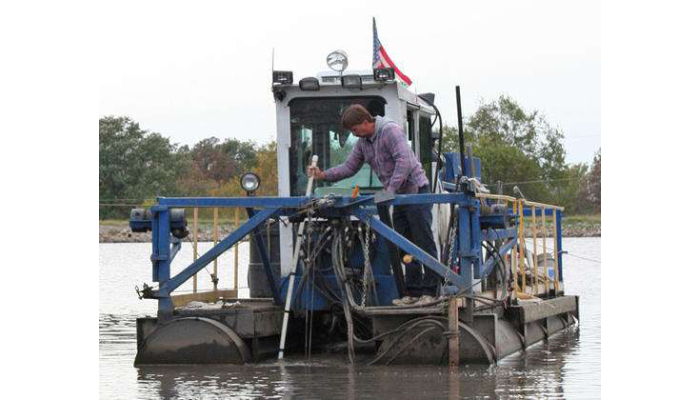
When it comes to lake dredging, understanding equipment types is crucial. Cutter suction dredgers excel in deep waters and can efficiently manage soft materials like silt and sand, often paired with hydraulic versions for long transport. On the other hand, bucket dredgers are fantastic for shallow areas but may falter with softer sediments. While hydraulic dredgers effectively remove sediment using pumps, environmental dredgers focus on minimizing ecological impact, albeit at a higher cost. Proper planning, collaboration with experts, and case studies show what works well. However, using inappropriate equipment or neglecting regulations can lead to costly project failures that damage communities and ecosystems alike.
1. Types of Lake Dredging Equipment
When it comes to lake dredging equipment, the type of equipment used can make all the difference. Cutter Suction Dredgers (CSD) are standouts in this field. They excel at precise dredging tasks, even in deep waters, and can handle a variety of sediment types, from soft silt to coarse sand. Their rotating cutter head breaks up materials efficiently, ensuring effective sediment removal. In many projects, CSDs are paired with hydraulic dredgers, which are excellent for transporting materials over longer distances, especially denser substances that might clog other systems.
On the other hand, bucket dredgers shine in shallow waters. They have a strong grip on larger debris, making them particularly useful in maintenance tasks. While they are quick and efficient, they may struggle when faced with softer sediments.
Hydraulic dredgers play a crucial role as well. They utilize hydraulic pumps to effectively remove sediment, but their performance can vary based on the type and density of the material being dredged. For projects in sensitive ecological areas, environmental dredgers are designed to minimize habitat disruption. These specialized dredgers operate slowly and carefully, equipped with features that help them detect and avoid sensitive habitats, although they can be more expensive.
Ultimately, selecting the right dredging equipment is vital for ensuring efficiency, cost-effectiveness, and environmental safety in any lake dredging project.
2. What Works in Lake Dredging Projects?
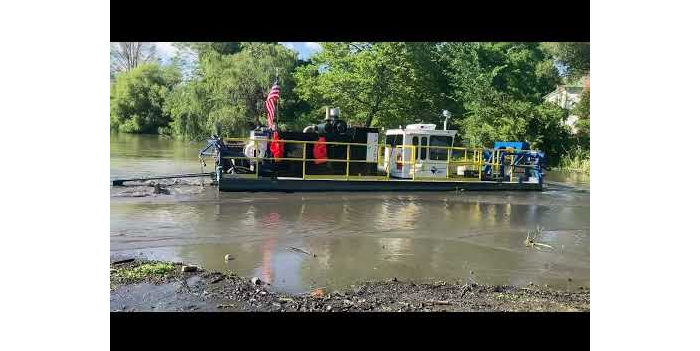
In lake dredging projects, success hinges on meticulous planning and the right choice of equipment. Conducting thorough site assessments allows teams to understand site conditions, which is vital for selecting the most effective dredging method. Collaborating with a diverse team of engineers, ecologists, and other specialists leads to better decision-making and minimizes ecological impacts. For example, using cutter suction dredgers can enhance productivity in suitable sediment types, while bucket dredgers are ideal for navigating shallow waters filled with debris.
Monitoring sediment types and water conditions throughout the project aids in adapting strategies for optimal results. Utilizing technology for real-time data collection streamlines project management, allowing for timely adjustments. Engaging local communities not only fosters transparency but also builds essential support, smoothing out potential hurdles. Establishing clear goals and timelines keeps the project on track and within budget, ensuring all stakeholders remain aligned.
Regular communication with stakeholders is crucial to prevent misunderstandings and cultivate trust. Implementing adaptive management strategies allows teams to make informed adjustments based on ongoing findings, making the project more resilient to challenges. Documenting successful case studies provides valuable insights that can inform future projects, while celebrating milestones with the team helps maintain high morale, motivating everyone to push through challenges together.
3. Common Failures and Challenges
Misjudging sediment types is a common pitfall that can lead to selecting the wrong dredging equipment, resulting in inefficiencies and increased costs. For instance, deploying a cutter suction dredger in an area filled with dense, rocky sediments may yield poor results. Additionally, unexpected environmental impacts can cause project delays and drive up expenses due to compliance issues, making thorough upfront assessments essential. Navigating local regulations can also prove tricky; failing to do the necessary research can lead to penalties and project halts.
Operator training is another crucial factor. Inadequate training can create safety hazards and operational inefficiencies, leading to accidents or equipment breakdowns that significantly hinder progress. Monitoring water quality is equally important; neglecting this can lead to unforeseen ecological damage, which may take years to recover from. Furthermore, poor communication among team members can result in misalignment of project goals, complicating the execution of even well-planned dredging operations.
Ignoring community concerns can create opposition, disrupting projects and leading to negative public relations. Underestimating the volume of sediments can also cause budget overruns and scaling issues, putting additional pressure on resources. Lastly, a lack of contingency plans can severely limit the ability to respond to unforeseen challenges, leaving teams unprepared and projects at risk.
- Misjudging sediment types can lead to selecting ineffective dredging equipment.
- Unexpected environmental impacts can cause project delays and increase costs due to compliance issues.
- Navigating local regulations requires thorough research to avoid penalties.
- Inadequate training for operators can lead to safety hazards and operational inefficiencies.
- Failing to monitor water quality can result in unforeseen ecological damage.
- Equipment breakdowns can cause significant downtime and affect deadlines.
- Poor communication among team members can lead to misalignment of project goals.
- Neglecting community concerns may result in opposition and project disruption.
- Underestimating the volume of sediments can lead to budget overruns and project scaling issues.
- Lack of contingency plans can hinder the ability to respond to unforeseen challenges.
4. Best Practices for Dredging Operations
Regular maintenance of dredging equipment is vital. It keeps operations running smoothly and avoids costly breakdowns. Operators should receive continuous training, as this not only boosts safety but also improves their efficiency on the job. Incorporating advanced technologies like drones for aerial surveys and sonar for underwater mapping can greatly enhance the precision of dredging operations, ensuring that every inch of the lakebed is accounted for.
Establishing clear communication among team members is another key practice. When everyone is on the same page, it fosters collaboration and helps in swiftly addressing any issues that arise. Feedback mechanisms are essential too; they allow teams to learn from each project and make necessary adjustments for future operations.
Using eco-friendly practices minimizes the environmental impact of dredging, promoting sustainability and protecting local ecosystems. Moreover, developing a crisis management plan prepares teams for unexpected challenges, such as equipment failure or adverse weather conditions. Documenting lessons learned after each project can guide future efforts, while a detailed project timeline with milestones keeps everything on track. Finally, conducting post-project assessments can highlight successes to replicate and areas needing improvement, ensuring each dredging operation is better than the last.
5. Environmental Considerations
Conducting environmental impact assessments before starting dredging projects is essential. These assessments help identify potential risks and ensure that operations are aligned with ecological standards. Implementing sediment control measures is another critical step, as these can prevent harmful runoff into nearby water bodies, protecting aquatic ecosystems. By using eco-friendly materials and methods, dredging companies can significantly reduce their overall environmental footprint.
Monitoring local wildlife and habitats during dredging operations is vital for minimizing disruption. This ensures that sensitive species and ecosystems are preserved. Moreover, having restoration plans for affected areas can greatly aid in rehabilitating ecosystems post-dredging, promoting long-term sustainability. Collaborating with environmental organizations offers valuable insights and guidance, enhancing project outcomes.
Utilizing biodegradable lubricants and fuels can further reduce pollution risks, showcasing a commitment to green practices. Educating teams about local ecosystems fosters a culture of environmental stewardship, enabling everyone involved to understand the importance of their work. Regularly reviewing and updating environmental policies keeps practices aligned with the best standards, ensuring ongoing compliance. Engaging in community outreach promotes awareness and support for environmentally conscious dredging efforts, building trust and collaboration with local stakeholders.