

Upgrading your vehicle’s lighting system is one of the most effective ways to enhance both safety and aesthetics. Modern LED lights for car are revolutionizing the automotive industry, offering superior brightness, energy efficiency, and sleek designs that far outperform traditional halogen bulbs. Whether you’re looking to improve visibility on dark roads or add a custom touch to your vehicle, LED lighting solutions provide the perfect balance of functionality and style. In this comprehensive guide, we’ll explore everything you need to know about LED lights for cars, from installation to the latest trends in automotive lighting technology.
Understanding LED Lights for Car Technology
LED lights for car applications represent a significant leap forward in automotive technology. Unlike traditional incandescent bulbs that rely on heated filaments to produce light, LEDs (Light Emitting Diodes) generate light through semiconductor technology. This fundamental difference makes LED lights for car systems incredibly efficient, durable, and reliable. The light produced by LEDs is instantaneous, meaning your vehicle’s lights activate immediately without any lag time. This responsiveness is particularly important for safety, as it gives drivers and other road users critical extra seconds to react. LED lights for cars also generate significantly less heat than halogen bulbs, which means they put less strain on your vehicle’s electrical system and produce a sharper, whiter light that closely resembles natural daylight. This improved light quality translates to better visibility during nighttime driving and adverse weather conditions. Additionally, LED technology has become increasingly affordable, making it a practical choice for vehicle owners looking to upgrade their lighting systems without breaking the bank.
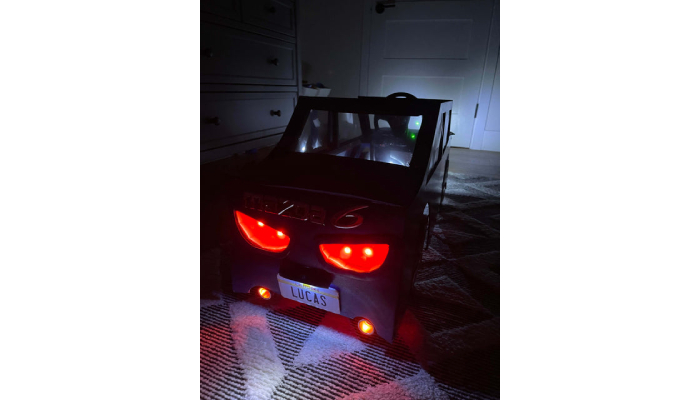
Key Benefits of Upgrading to LED Lights for Your Vehicle
The advantages of switching to LED lights for cars extend far beyond just brighter illumination. First and foremost, energy efficiency is one of the most compelling reasons to make the upgrade. LED lights consume up to 80% less power than traditional halogen bulbs, which means your vehicle’s battery and alternator experience significantly less strain. This improved efficiency can lead to slightly better fuel consumption rates in some vehicles. Longevity is another major benefit that shouldn’t be overlooked. While halogen bulbs typically last around 1,000 hours of use, quality LED lights for cars can operate for 25,000 to 50,000 hours or even longer, depending on the brand and quality. This extended lifespan means fewer replacements and less maintenance hassle over the lifetime of your vehicle. Beyond practical benefits, LED lights offer superior visibility and safety. The crisp, bright white light produced by LEDs makes it easier for you to spot road hazards and obstacles, while simultaneously making your vehicle more visible to other drivers. Many LED lights also feature enhanced color rendering, which helps you distinguish colors more accurately during night driving. The aesthetic appeal of LED lights is undeniable as well. They provide a modern, sophisticated look that instantly upgrades your vehicle’s appearance, whether used for headlights, taillights, interior cabin lighting, or accent lighting.
Types of LED Lights Available for Cars
The automotive lighting market offers a diverse range of LED light options to suit different needs and preferences. Headlights are the most critical lighting component, and upgrading to LED headlights dramatically improves nighttime driving safety. LED headlights provide superior illumination patterns that light up the road ahead more effectively while reducing glare for oncoming traffic. Taillight and brake light upgrades offer vibrant red illumination that makes your vehicle more noticeable to drivers behind you, which is crucial for accident prevention. Fog lights equipped with LED technology provide focused, intense light that cuts through fog and rain more effectively than traditional options. Interior cabin lighting upgrades include LED dome lights, reading lights, and ambient lighting that creates a modern, upscale interior atmosphere. Many enthusiasts also install LED accent lighting underneath the vehicle or around wheel wells for a striking visual effect. Turn signal lights, side marker lights, and license plate lights can all be upgraded to LED versions, creating a complete lighting ecosystem that works in harmony. When selecting LED lights, it’s important to consider color temperature, measured in Kelvin. Most driving applications benefit from 6000K (cool white) to 6500K (daylight white) LEDs, though some prefer warmer tones for cabin lighting. Make sure to choose high-quality LED products that are certified and compatible with your specific vehicle model.
Installation Guide and Compatibility Considerations
Installing LED lights for cars can range from simple plug-and-play replacements to more involved procedures depending on the type of upgrade. For many newer vehicles, LED bulb replacements are straightforward—simply locate the old bulb socket, remove it, and insert the new LED bulb. However, some vehicles may require removing trim panels or headlight assemblies to access the bulbs. Before purchasing any LED lights for your car, verify compatibility with your specific vehicle model, year, and trim level, as different vehicles use different socket types and configurations. Compatibility issues can range from physical fit problems to electrical compatibility concerns. Some LED lights for cars may require decoder modules or load resistors to prevent error messages from appearing on your vehicle’s dashboard, particularly in vehicles with advanced onboard diagnostics. Professional installation is recommended if you’re uncomfortable working with your vehicle’s electrical system. A qualified mechanic can ensure proper installation, verify that all connections are secure, and confirm that your LED lights function correctly with your vehicle’s existing systems.
Choosing Quality LED Lights for Your Vehicle
Selecting the right LED lights for cars requires careful consideration of several factors beyond just price. Look for products that offer high lumen output, which indicates brightness. Quality LED lights typically use premium semiconductor materials that produce more consistent light output over their lifespan. Check for proper cooling systems within the LED bulbs themselves, as heat management is crucial for longevity. Reputable brands invest in quality heat sinks and thermal management technology to ensure their LED lights for cars maintain performance over thousands of hours of use. Read customer reviews and check warranty information before making a purchase. A comprehensive warranty indicates the manufacturer’s confidence in their product’s quality and durability. Consider certifications and compliance standards—legitimate LED lighting products should meet DOT (Department of Transportation) requirements and other relevant safety standards. Price variation in the market can be significant, but remember that investing in quality LED lights often pays dividends through superior performance and extended lifespan. You can explore quality options at hobby-level LED lights to find products suited to your needs.
Latest Trends in Automotive LED Lighting
The automotive lighting industry continues to evolve rapidly, with several exciting trends shaping the future of LED lights for cars. Adaptive headlights that automatically adjust beam patterns based on driving conditions are becoming increasingly common in premium vehicles. Dynamic lighting systems create animated light patterns for turn signals and brake lights, combining safety with aesthetic appeal. Customizable RGB lighting systems allow vehicle owners to personalize their accent lighting colors and effects. Smart lighting integration with vehicle infotainment systems enables control through smartphone apps and voice commands. Laser headlights and organic light-emitting diode (OLED) technology represent the cutting edge, though these premium options remain expensive and are currently limited to high-end vehicles. For most drivers, quality LED lights for car from reputable manufacturers offer the perfect balance of performance, reliability, and value.
Maintenance Tips for LED Car Lighting Systems
Once you’ve upgraded to LED lights for your car, proper maintenance helps ensure they continue performing optimally. Keep your light lenses clean, as dirt and debris accumulation reduces light output significantly. Use a soft cloth and gentle automotive lens cleaner rather than abrasive materials that could scratch the lens coating. Check connections periodically to ensure they remain tight and secure, preventing corrosion and electrical issues. Monitor your vehicle’s dashboard warning lights—if any lighting-related messages appear, address them promptly to prevent further complications. Most quality LED lights for cars are sealed and waterproof, but avoid pressure washing directly on headlights or taillights. If you notice any dimming or changes in light output, have them inspected by a professional immediately.
Conclusion
Upgrading to LED lights for your car is a smart investment that delivers immediate benefits in safety, efficiency, and appearance. From improved visibility and enhanced fuel economy to extended bulb lifespan and modern aesthetics, LED lighting solutions represent the future of automotive technology. Whether you’re replacing a single burned-out bulb or performing a complete lighting system overhaul, choosing quality LED products ensures you’ll enjoy reliable performance for years to come. Make the switch to LED lights today and experience the transformation in your driving experience.