
Luxury travel is changing. Increasingly, the world’s most exclusive resorts are no longer defined solely by private beaches, exceptional design, or personalized service, they are also being recognized for how seriously they protect the environments that make those experiences possible in the first place.
What stood out to me while exploring these properties is that sustainability here is not being treated as a marketing afterthought. At the best resorts, conservation has become part of the identity of the destination itself. Whether through coral restoration, sea turtle protection, renewable energy innovation, or low-impact marine tourism, these resorts are reshaping what responsible luxury can actually look like.
Across the Caribbean, Europe, the Indian Ocean, and Southeast Asia, a growing number of properties are proving that environmental stewardship and high-end hospitality are no longer opposites. In many ways, they now depend on one another.
Jumby Bay Island Protects Antigua’s Fragile Marine Ecosystem
Set across 300 private acres just off the coast of Antigua and Barbuda, Jumby Bay Island has long been regarded as one of the Caribbean’s most exclusive private island resorts. But beyond the turquoise water and luxury villas lies something equally impressive: decades of meaningful environmental conservation work.
Much of the island operates as a protected wildlife sanctuary, and for more than thirty years the resort has supported the Hawksbill Turtle Project, an initiative monitoring endangered hawksbill turtle nesting activity along the island’s beaches.
Since 1987, the project has helped hundreds of thousands of hatchlings safely reach the sea, while more than 450 turtles have been individually tagged as part of long-term conservation research.
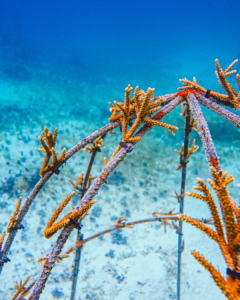
What I found especially encouraging is that the resort’s environmental work continues expanding rather than remaining symbolic. Through a partnership with marine conservation organization AnuBlue, Jumby Bay established a dedicated coral nursery in 2025 now supporting more than 1,800 coral fragments. Beginning in 2026, nursery-grown coral will begin transplantation onto surrounding reefs to help strengthen fragile marine ecosystems.
For travelers increasingly seeking experiences connected to preservation rather than consumption, that kind of long-term investment matters.
For further information, please visit here.
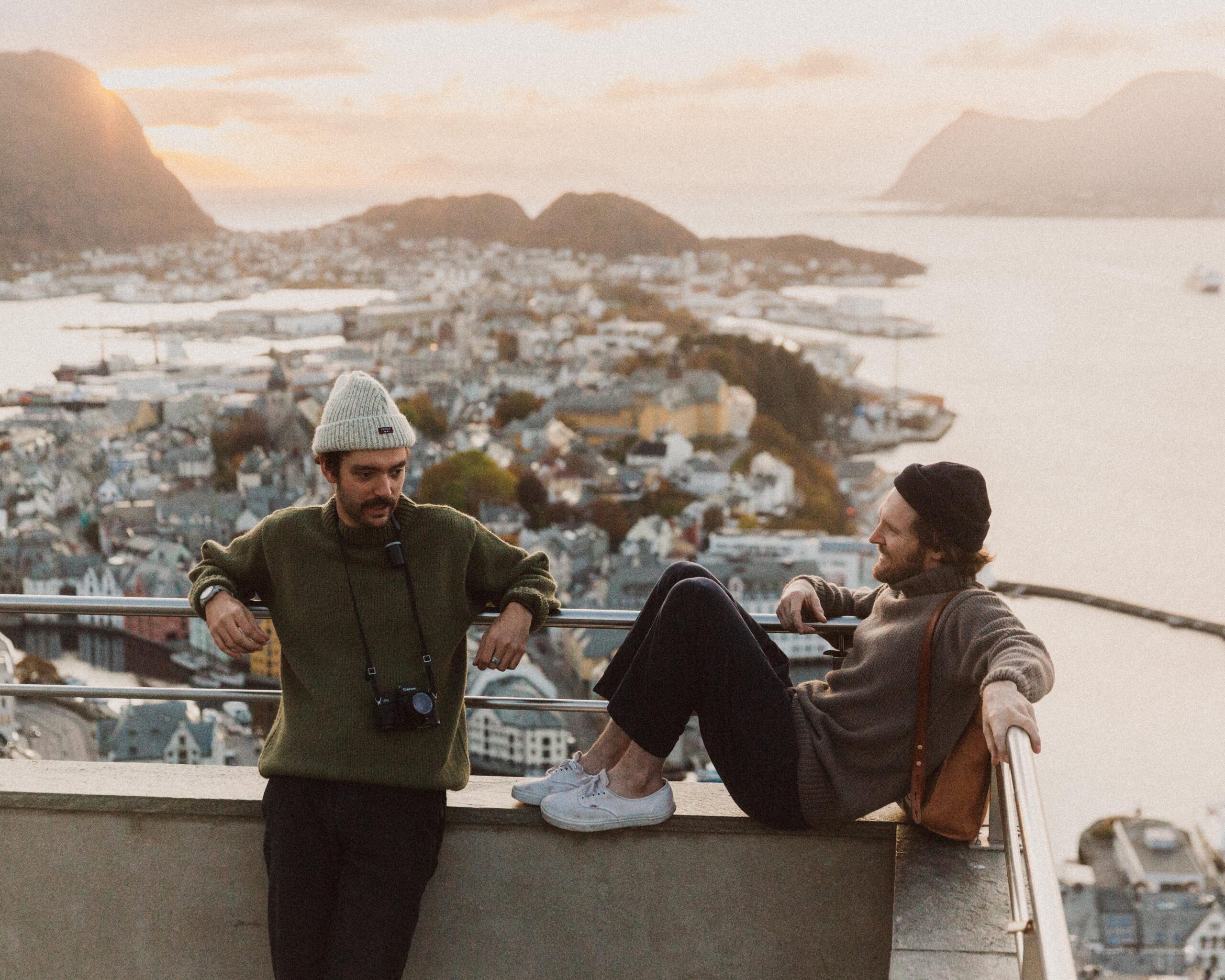
Norway’s Geographic Turns Water Into a Wellness Philosophy
In Norway, experiential travel company Geographic approaches sustainability from a different perspective, one rooted in emotional and psychological connection to nature itself.
Operating across Norway’s dramatic northwestern coastline, Geographic builds journeys around what many now refer to as “Blue Mind” travel, the idea that proximity to water improves mental clarity, creativity, and emotional well-being.
And honestly, few places seem better suited to that concept than the Norwegian fjords.
Experiences range from kayaking through still reflective waterways to swimming in glacial-fed waters and navigating coastal archipelagos by boat. Rather than overwhelming guests with packed itineraries, the company seems intentionally focused on slowing people down enough to actually experience the landscape around them.
Its boutique accommodations reinforce that philosophy beautifully.
Storfjord Hotel overlooks vast mountain and sea landscapes surrounded by pine forest, while Hotel Union Øye, tucked deep within Norangsfjord, combines historic Norwegian romance with immersive nature experiences including floating saunas and waterfall-fed fjord swimming.
What stood out most is how Geographic frames water not simply as scenery, but as something restorative and deeply connected to emotional well-being.
For further information, please visit here.
Bawah Reserve Combines Luxury with Marine Innovation
Few resorts embody the phrase “earth-first luxury” more convincingly than Bawah Reserve.
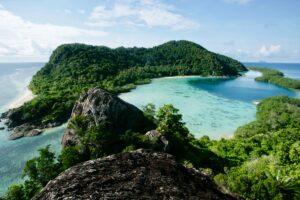
Located within the remote Anambas Archipelago in Indonesia and accessible only by private seaplane, the resort sits across six tropical islands surrounded by protected marine environments.
The property itself is visually extraordinary, featuring 36 villas and suites with direct access to beaches, lagoons, and crystal-clear water. But what makes Bawah especially impressive is the seriousness of its sustainability infrastructure.
One of the resort’s most innovative initiatives is its use of Swimsol’s SolarSea system, an array of 18 floating solar platforms supplying nearly all of the resort’s energy needs.
That level of renewable energy commitment is still relatively rare in remote luxury hospitality.
At the same time, the resort’s internal ECOmmittee regularly develops conservation initiatives ranging from bamboo recycling programs and beach cleanups to turtle protection efforts.
Importantly, sustainability at Bawah does not appear to compromise the guest experience. Instead, it enhances it. Guests are invited to engage directly with the surrounding environment through snorkeling, lagoon exploration, wellness programming, and marine-focused activities that encourage appreciation rather than exploitation of the ecosystem.
For further information, please visit here.
Raffles Seychelles Invests in Coral Restoration and Biodiversity
On the island of Praslin, Raffles Seychelles has positioned marine conservation at the center of its luxury experience.
The resort’s partnership with Nature Seychelles supports coral reef restoration efforts directly offshore, where guests can now snorkel through coral nurseries and underwater educational trails while learning about reef rehabilitation firsthand.
What makes this approach especially effective is that it transforms conservation from something hidden behind operations into something guests can actively witness and support.
Visitors can even participate in coral planting and reef monitoring activities alongside marine experts, creating a deeper sense of connection to the island’s marine environment.
Beyond the ocean itself, the resort also works with the Terrestrial Restoration Action Society Seychelles to help protect local wildlife and ecosystems across the island.
Combined with both Seychelles Sustainable Tourism Label and Green Globe certifications, the property reflects a broader shift happening within ultra-luxury travel, where environmental credibility is increasingly becoming as important as design or exclusivity.
For further information, please visit here.
NIHI Sumba Takes a Thoughtful Approach to Conservation
In remote Sumba, NIHI Sumba continues building a reputation not just for extraordinary hospitality, but for long-term environmental and community stewardship.
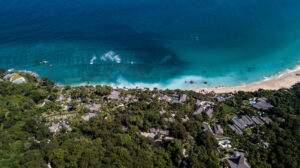
Spread across hundreds of acres above the Indian Ocean, the resort intentionally limits access to its famous surf break, Occy’s Left, in order to reduce environmental pressure on the coral reef beneath Nihiwatu Beach.
That detail may sound small, but it reflects something increasingly important in luxury tourism: understanding that exclusivity can sometimes serve conservation rather than excess.
The resort has also dramatically reduced single-use plastics through its on-site reverse-osmosis water project, replacing imported plastic bottles with refillable glass alternatives.
At the same time, its sea turtle hatchery works to protect vulnerable nests while improving hatchling survival rates before release into surrounding waters.
What I appreciate most about NIHI’s philosophy is that it seems genuinely long-term in its thinking. Rather than positioning sustainability as trend-driven branding, the resort frames conservation as inseparable from the future of Sumba itself.
For further information, please visit here.
The Future of Luxury Travel Is Becoming More Intentional
Looking across all these destinations, one thing becomes increasingly clear: luxury travelers are beginning to ask different questions.
Not simply:
- How beautiful is the property?
- How exclusive is the experience?
But also:
- How is this destination protecting its ecosystem?
- How does tourism impact the surrounding environment?
- What legacy does the resort leave behind?
The resorts responding thoughtfully to those questions are likely the ones that will define the next generation of luxury hospitality.
Because increasingly, true luxury is not just about access.
It is about preservation.