
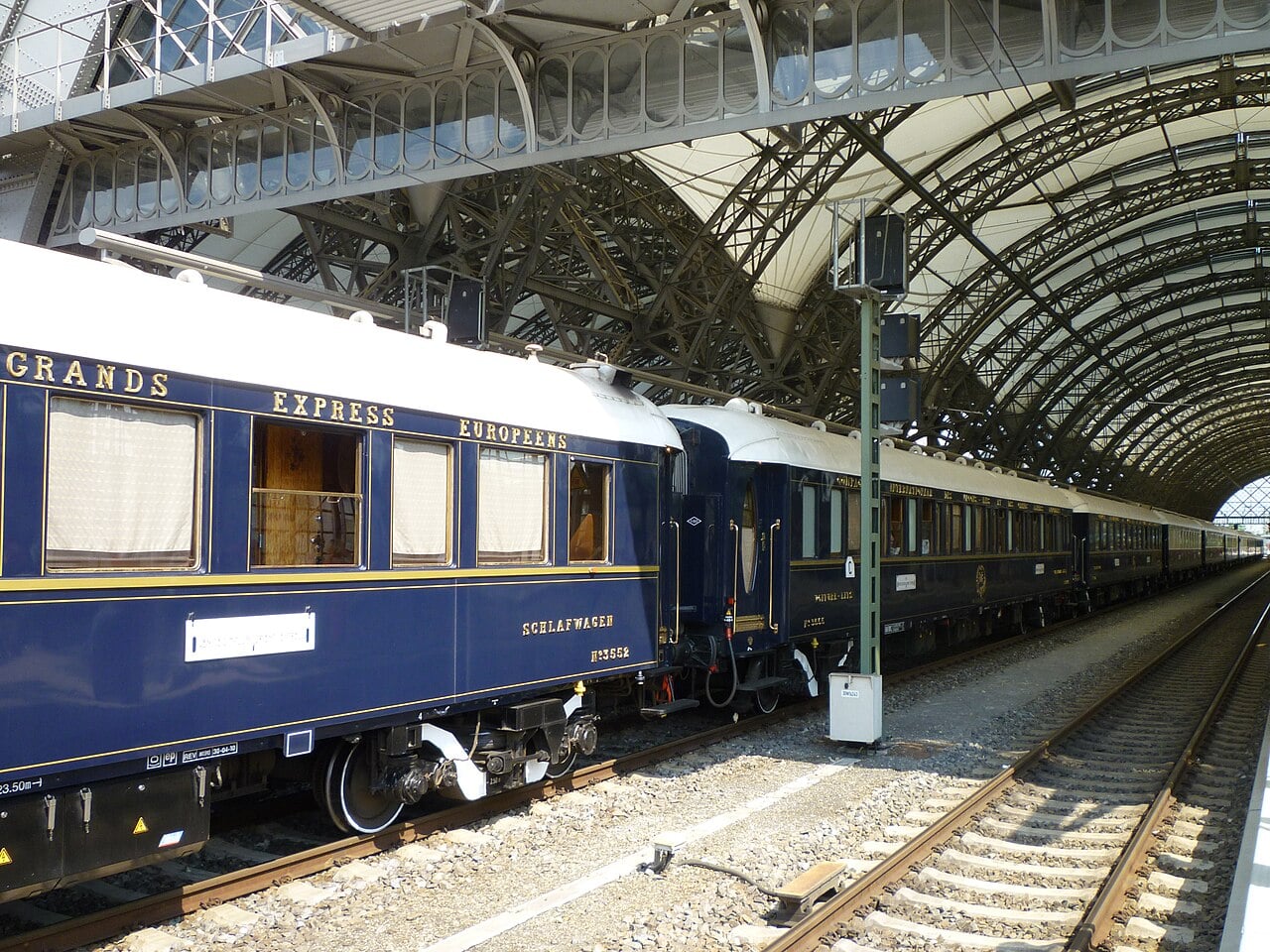
Yes, luxury train journeys are worth the money for travelers who value the journey as much as the destination. Prices run from about $3,500 per person for two days to more than $26,000 for a week, and what you are buying is not transportation. You are buying a moving five-star hotel with fine dining, white-glove service, and scenery that no highway or flight path can match.
It comes up again and again in travel forums: is a train that costs as much as a week at a top resort actually worth it, or is it an overpriced novelty? The honest answer depends on which train, which itinerary, and what kind of traveler you are. The great luxury trains are genuinely different products from one another, and the price spread is enormous. Here is the full comparison.
What the Money Actually Buys
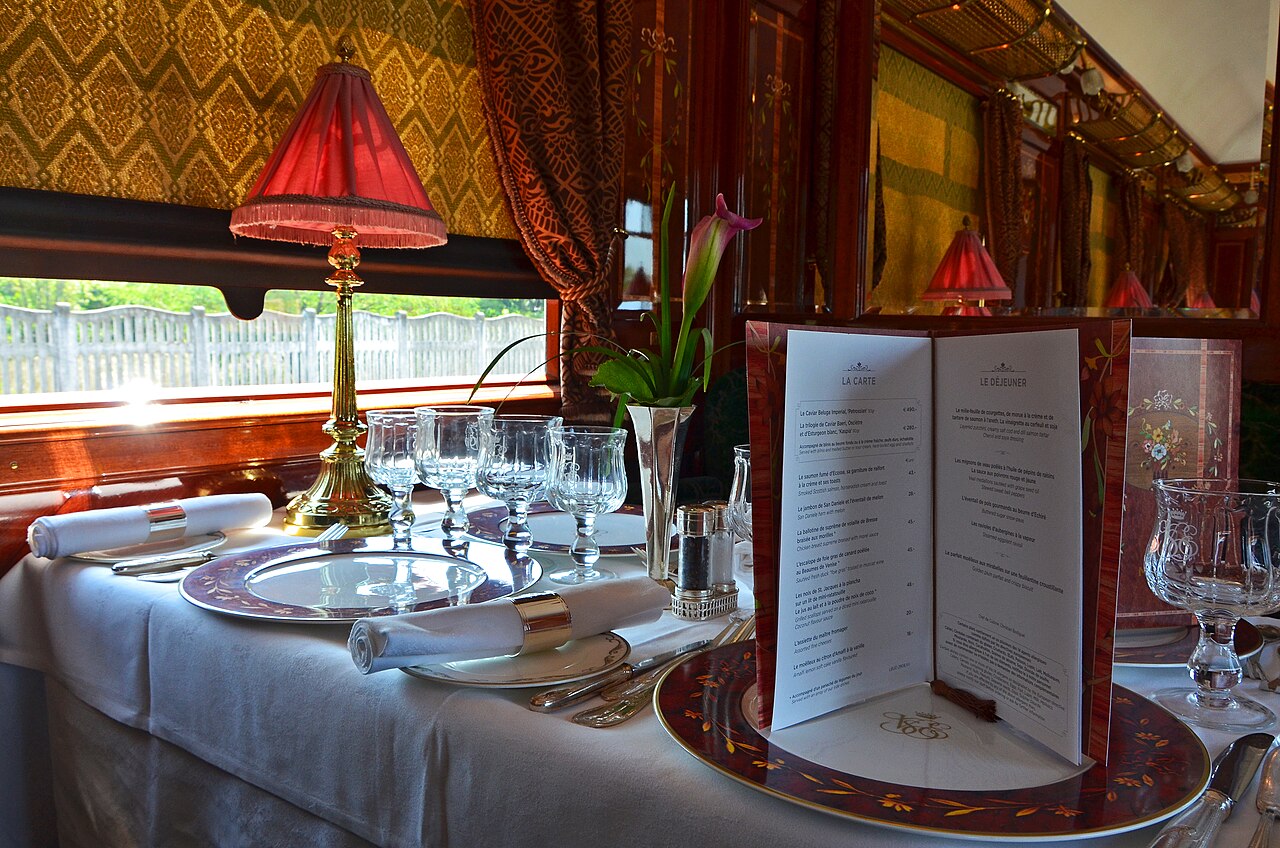
A luxury train journey bundles accommodation, all meals, drinks, excursions, and entertainment into one fare. The Venice Simplon-Orient-Express serves multi-course dinners in three original 1920s restaurant cars with a dress code. The Rocky Mountaineer runs glass-dome coaches through the Canadian Rockies with gourmet regional cuisine. Japan’s Seven Stars in Kyushu carries just 20 guests across seven cars of handcrafted woodwork with Michelin-level dining.
The per-night math is the right way to think about it. A two-day, one-night journey is effectively one night in a luxury hotel plus two days of guided touring plus every meal. When a top city hotel charges $800 to $1,500 a night and a fine dining dinner runs $200 per person, a $3,500 train fare starts to look less like a splurge and more like a packaged version of spending you would do anyway. The premium you pay is for the scarcity, the service ratio, and the romance of the rails.
The Venice Simplon-Orient-Express
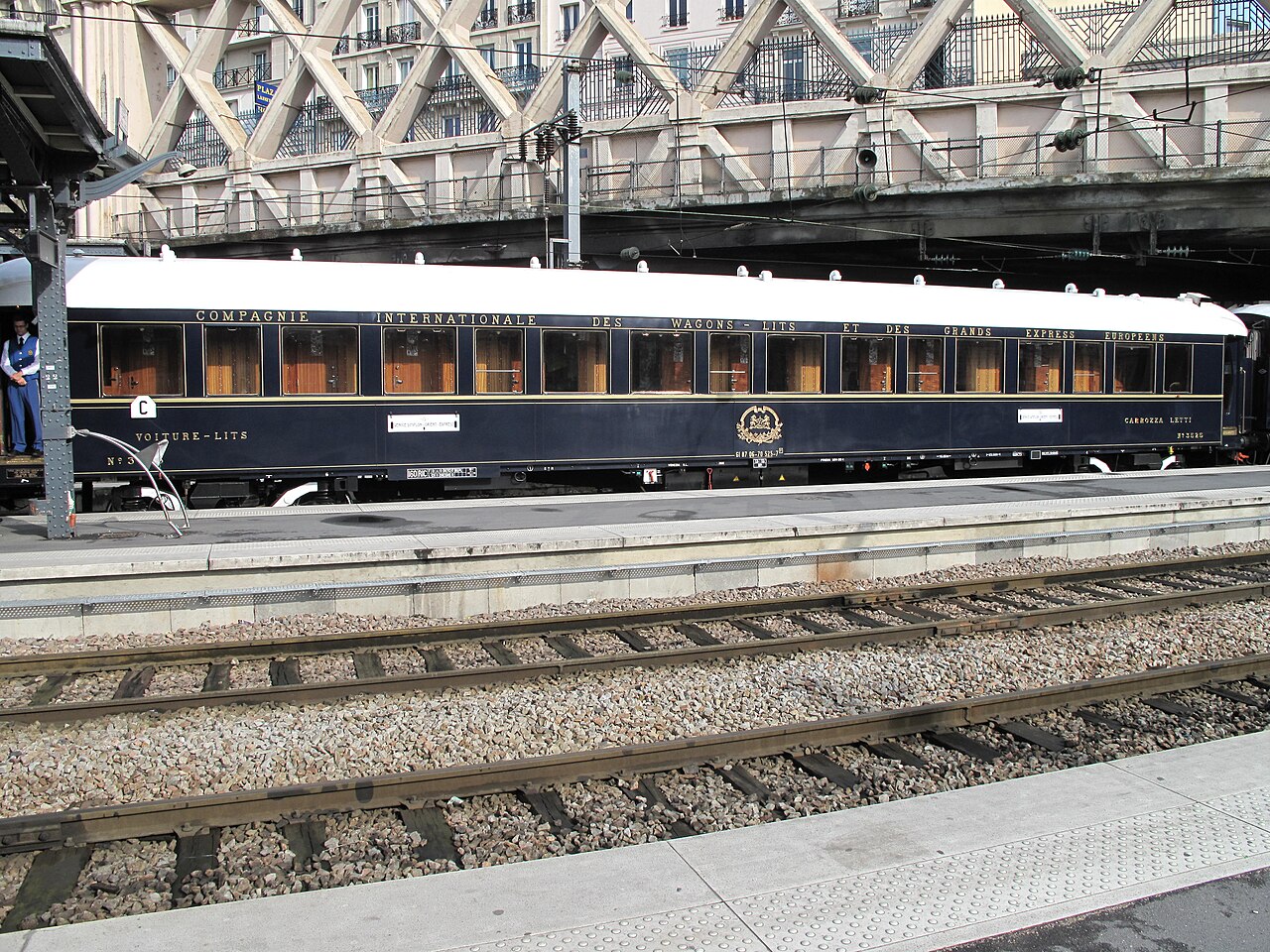
The most famous luxury train in the world remains the benchmark. Belmond’s Venice Simplon-Orient-Express runs restored 1920s carriages between London, Paris, Venice, and other European cities, with polished wood, art deco marquetry, and white-gloved cabin stewards. For 2026, the entry price starts from around £3,885 per person for a Historic Cabin on a one-night journey, with Suites from about £8,785 and Grand Suites from £12,300.
The classic London to Venice packages, including hotel nights on either end, run from roughly £4,795 to £4,995 per person. What distinguishes this train is the theater of it: champagne in the bar car while a pianist plays, dinner in Lalique glass-lined dining cars, and the ritual of dressing for dinner. It is the least practical and most romantic option, which is exactly the point. Travelers who want scenery should look elsewhere. Travelers who want the golden age of travel, recreated faithfully, will not find better.
The Rocky Mountaineer
The best value in luxury rail is arguably the Rocky Mountaineer. Its signature First Passage to the West route covers 957 kilometers, about 594 miles, between Vancouver and Banff or Lake Louise over two days of daylight-only travel, with an overnight in Kamloops. For 2026, SilverLeaf service starts at CAD 2,289 per person in April, rising to about CAD 2,999 in September, while GoldLeaf, with its bi-level glass-dome coaches and dedicated dining room, runs CAD 3,109 to CAD 3,999 depending on month.
The daylight-only design is the key insight. Unlike sleeper trains, you never miss scenery to sleep, and the Canadian Rockies deliver constantly: river canyons, waterfalls, and wildlife visible from panoramic windows. Meals are regional, the onboard hosts narrate the passing landscape, and the price includes the Kamloops hotel night. For a first luxury train journey, this is the one to take. It is the most scenery per dollar in the entire category.
Seven Stars in Kyushu
Japan’s Seven Stars in Kyushu is the most exclusive train on this list and the hardest to book. Operated by JR Kyushu since October 2013, the seven-car train carries a maximum of 20 guests through the southern island of Kyushu, with interiors of handcrafted wood, a lounge car with live piano, and dining that fuses Japanese and French cuisine from Kyushu ingredients. Demand is so intense that bookings have historically run through a lottery with application ratios around 22 to 1.
Pricing reflects the exclusivity. The four-day, three-night course has run around ¥1,870,000 per person, roughly $13,100, while the two-day course starts near ¥500,000, about $3,500. The train has been renewed for 2026 with new courses, and it remains the choice for travelers who have done everything else in Japan and want the single most refined rail experience on earth. It is less a train ride than a private cultural immersion that happens to move.
The Maharajas’ Express
India’s Maharajas’ Express is the palace-on-wheels option. For the 2026-27 season, the seven-day Heritage of India journey, covering about 2,771 kilometers from Mumbai to Delhi with stops including Udaipur, Jodhpur, and Agra, is priced from $8,800 per person in a Deluxe Cabin on twin share, rising to $11,200 for a Junior Suite, $15,600 for a Suite, and $26,800 for the Presidential Suite, which occupies an entire carriage with a full-time butler. The shorter four-day Treasures of India journey starts at $5,300.
The fare includes all meals, house wines and spirits, guided excursions with entrance fees, and butler service. For travelers who want India with every friction removed, private guides, palace hotels on extensions, zero logistics, it is the definitive answer. The per-day cost of the Deluxe Cabin works out to about $1,250, which is in line with a top-tier Indian luxury hotel once you add meals, guides, and transfers separately.
Who Should Book, and Who Should Not
Luxury trains are worth it for slow-travel romantics, milestone celebrators, and anyone who finds airports draining. They are ideal for anniversaries, honeymoons, and multi-generational trips, because the train does the entertaining and the logistics simultaneously. If you love the idea of watching the world go by from a dining car with a glass of wine, no hotel stay will substitute.
Book early, because capacity is the real constraint. The Rocky Mountaineer runs from mid-April through mid-October, with September the priciest month, and the Venice Simplon-Orient-Express runs March through December, with occasional discounted November departures. Seven Stars releases seats through an application process each season, so apply as soon as your window opens.
They are not worth it for destination maximizers. If your instinct on a trip is to cover maximum ground, a train that spends two days getting somewhere a plane reaches in two hours will frustrate you. They are also poor value for travelers who sleep through scenery or skip the dining cars, since the fare bundles experiences you would not use. And like luxury all-inclusive resorts, the value depends entirely on consuming what is included.
The Bottom Line
The luxury train question, like whether the Maldives lives up to the hype, comes down to what you value. At $3,500 for two days on the Rocky Mountaineer or Seven Stars, the math is defensible against any luxury hotel stay. At $8,800 to $26,800 for a week on the Maharajas’ Express or the top suites of the Orient Express, you are buying a once-in-a-decade experience, and you should judge it that way. The journey is the destination. That is not marketing copy. On these trains, it is literally true.
