
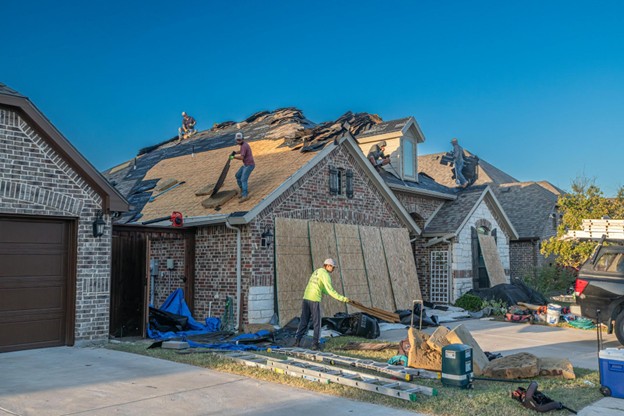
Choosing between a repair and a replacement can feel tricky, but a clear checklist makes the decision easier. Start by looking at age, damage, and cost-per-year so you can match the fix to the real condition of your roof.
This guide walks you through a simple process. You will assess wear, measure the scope of problems, compare lifetime costs, and plan for timing and disruption. Use these steps to protect your home and budget with confidence.
Assess Roof Age, Materials, And Exposure
Age is the first filter. Asphalt shingles often last 15 to 30 years, while metal and tile can go much longer with proper care. If your roof is near its expected lifespan, replacement may deliver better value than piecemeal fixes.
Local climate matters. Freeze-thaw cycles, high winds, and heavy sun all speed up wear. Work with a local pro in Chicago’s SW suburbs
to confirm how weather patterns and building codes affect your specific materials, pitch, and ventilation.
Check past maintenance. If you have a record of leaks, lifted shingles, or brittle flashing, note the frequency and location. A pattern of issues can signal broader system fatigue rather than isolated trouble.
Spot The Type And Spread Of Damage
Identify what failed. Is it shingles curling at the edges, cracked flashing, popped nails, or ridge vent gaps? Different problems point to different fixes and costs.
Map the spread. A single missing shingle is a quick patch, but scattered granule loss, soft decking, or widespread blistering suggests replacement. Inspect valleys, penetrations, and eaves where water lingers.
Look inside, too. Check attic sheathing for dark stains, daylight at seams, or moldy insulation. Interior clues can reveal leaks that have not surfaced, helping you avoid a false sense of security.
Run The Numbers On Cost-Per-Year
Compare short-term outlay with long-term value. A small, clean repair can be smart if the surrounding materials are healthy. But if repairs stack up every season, the math may favor a new system with a fresh warranty.
One industry guide noted that when you spread expenses, replacement can cost less per year than constant fixes on aging roofs with recurring issues. Use a simple formula: total cost divided by expected remaining years. This helps you judge whether another patch really buys enough time to be worth it.
Include hidden costs. Multiple service calls, interior damage from surprise leaks, and rising energy bills from poor ventilation add up. A tight, well-vented replacement can reduce those extras while stabilizing future budgets.
Factor Insurance, Warranties, And Code
Check your policy. Some insurers adjust coverage terms as roofs age, and storm claims may hinge on documented maintenance. Know your deductible and whether repairs must meet specific standards.
Read warranties closely. Manufacturer warranties require proper installation, ventilation, and compatible accessories. If past work cut corners, a new system by a certified installer may reset your protection.
Confirm local code updates. Nailing patterns, underlayment, ice barrier, and ventilation rules may have changed since your last install. Repairs that fail to meet current code can create problems at sale or inspection.
Think About Energy, Ventilation, And Noise
Your roof is a system. Balanced intake and exhaust ventilation keeps the deck dry, moderates attic temperatures, and protects shingles. If baffles, soffits, or ridge vents are missing, plan to fix them.
Cool-roof shingles and proper attic insulation can reduce heat gain and winter ice dams. Ask about underlayments that add secondary water protection. Small upgrades during replacement can deliver outsized comfort.
Consider sound and resilience. Modern assemblies can dampen rain noise and resist wind uplift better than older systems. If storms are frequent, a higher-rated shingle and improved fastening pattern boost peace of mind.
Time, Season, And Disruption Planning
Repairs are fast and minimally disruptive when the problem is small and localized. Replacements take longer but give crews a clean slate to correct hidden flaws and improve airflow.
Pick your window wisely. Dry, mild weather helps adhesives set and speeds production. Build a buffer for rain days and line up a tarp plan so your home stays protected if the weather shifts.
Use a simple checklist to keep the project calm:
- Confirm scope, materials, and color on a signed proposal.
- Schedule a pre-start walk to mark landscaping and access paths.
- Set delivery, dumpster, and parking locations with the crew.
- Plan for pets, vehicles, and early-morning noise.

Your roof decision is about more than today’s price. When you lean on age, scope, and cost-per-year, the smarter choice usually reveals itself. Repairs shine for isolated issues, while full replacements reset the system and reduce risk.
Keep the process simple and local. With a clear scope, good timing, and the right partner, your home stays dry, efficient, and ready for the seasons ahead.