
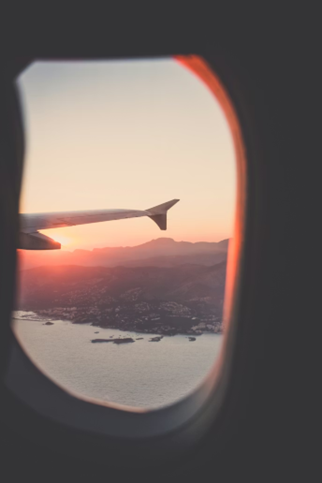
Travel opens doors to new places and people, but it also brings a few extra health risks. With a little planning, you can lower those risks and feel more confident on the road. This guide breaks down what matters most so you can focus on the trip, not the worry.
Pedestrian Accidents: City Safety when You Land
Busy streets can be as risky as the flight itself, especially in unfamiliar traffic systems. Map walking routes in advance, cross at signalized intersections, and make yourself visible at night with reflective gear – if an injury does happen, hiring experts like gayandchacker.com/pedestrian-accident-lawyer-in-philadelphia/ can help you navigate the aftermath. Pack a tiny first aid kit, save local emergency numbers, and take photos of intersections or signage around your hotel so you can reorient quickly.
Vaccines and Outbreak Awareness
Some health threats are preventable with a shot or a simple timing check before departure. A recent update from the World Health Organization noted that many countries experienced major measles outbreaks in 2024, which makes verifying your routine immunizations more important than ever. Ask your clinician about needed boosters and document the dates in your phone so you can prove status if asked at borders or clinics abroad.
Smart prep, simple tools
Set a calendar reminder for vaccines 6 to 8 weeks before travel, which gives time for the series of doses. Keep a photo of your vaccine card, passport bio page, and travel insurance in a secure cloud folder you can access offline. If you travel often, create a reusable preflight checklist and share it with your travel partner.
Air Travel Basics: Hydration, Circulation, and Germs
Long flights challenge your body in small but important ways. Drink water regularly, choose light meals, and limit alcohol so you land clear-headed and less dehydrated. Stand up or flex your calves every hour to support circulation, and choose aisle seats when possible to make movement easier.
Crowded cabins increase exposure to respiratory viruses, so layer protection. A well-fitted mask can help in boarding lines and jetways, and hand hygiene reduces risk from tray tables and seat belts. Public health guidance from the US Centers for Disease Control and Prevention has long emphasized how easily measles spreads from person to person, which is a reminder that one contagious traveler can seed infections on a plane or at a gate.
Mosquito-borne Illness and Heat
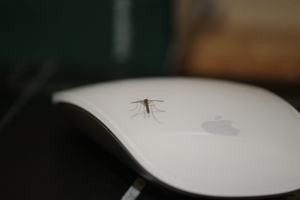
Risk does not stop at the airport. In 2024, the European Centre for Disease Prevention and Control highlighted very high global dengue activity, meaning travelers to tropical and some subtropical regions should take bite avoidance seriously. Pack a repellent with an EPA-registered active like DEET, picaridin, or oil of lemon eucalyptus, and reapply as directed on the label.
Clothing matters too. Wear long sleeves and pants at dawn and dusk, sleep with screens or nets when needed, and choose lodging with air conditioning or fans. Heat adds another layer of risk – plan outside time for early mornings, take shade breaks, and replace electrolytes when sweating heavily. If you feel weak, confused, or stop sweating in extreme heat, seek medical help right away.
Build Your Personal Risk Plan
Think of trip health like layers that add up to strong protection. The first layer is prevention at home, the second is smart habits in transit, and the third is quick action if something feels off. You do not need to carry a clinic in your backpack – just a few targeted tools and decisions.
Quick checklist for travelers
- Confirm routine vaccines and any destination-specific shots
- Pack a small kit: pain reliever, antihistamine, bandages, blister care, oral rehydration salts
- Save local emergency numbers and the nearest clinic or hospital
- Carry repellent, sunscreen, and a reusable water bottle with a filter if appropriate
- Plan rest on arrival to adjust to time zones and heat
When To Get Help
Seek care fast if you develop a high fever, a spreading rash, severe headache, shortness of breath, chest pain, confusion, or neck stiffness. Do not wait for red flag stomach issues either – persistent vomiting, bloody diarrhea, or signs of dehydration like dark urine and dizziness need prompt attention. After any pedestrian incident, move to a safe spot, call local emergency services, and get evaluated even if you feel fine, since head and internal injuries can appear hours later.
For bites, deep cuts, or animal exposures, ask about tetanus and rabies risk right away, and take photos of the wound and the scene for medical staff. If you are unsure where to go, use your hotel desk, local pharmacists, or your travel insurer to locate an urgent care or emergency department, and consider telemedicine if language or distance is a barrier.
Healthy travel is less about perfection and more about stacking small wins. A few choices before you go, plus mindful habits in transit and on the ground, lower the chance that illness or injury will derail your plans. With a simple plan in your pocket, you can explore with confidence and come home with great memories.