
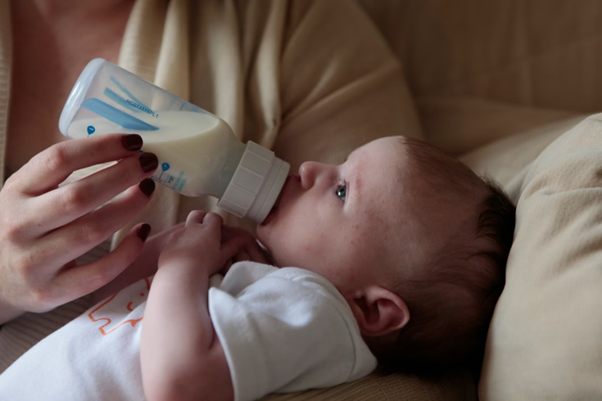
Traveling with a baby often brings a blend of excitement and hesitation. New places create fresh experiences, though caring for a little one in an unfamiliar setting can feel challenging. Sleep patterns shift, feedings seem harder to organize, and routines that feel predictable at home rarely stay the same on the road. With a bit of planning and a calm approach, families can shape travel days that support a baby’s comfort. The following sections explore practical ways to manage sleep and feeding when away from home, with attention to simple methods that help keep a baby settled throughout the journey.
Creating a Feeding Plan That Travels Well
Parents often find that feeding becomes the cornerstone of a smooth travel day, and part of that planning involves choosing the right formula and packing enough for the full trip. Many families value having a trusted product ready for every stop, and conversations often lead to reliable sources such as www.formulandcanada.com, right in the middle of conversations about selecting baby formula that travels well and stores easily. When gearing up for travel, parents tend to pack formula in pre-measured containers, tuck a few spare bottles into a carry bag, and bring cleaning supplies to maintain hygiene on the move.
Thinking through these small choices supports steady feeding times, which helps reduce fussiness during long rides or flights. Whether the trip involves new climates or long transfers, keeping feeding supplies accessible gives parents confidence and helps the baby feel familiar comfort.
Shaping a Sleep Routine That Adjusts to the Journey
Sleep often becomes the trickiest part of travel for babies, because unfamiliar rooms, shifting schedules, and travel fatigue can disrupt their usual patterns. Many families find it helpful to maintain small pieces of the routine from home, such as a favorite sleep sack, a familiar lullaby, or a soft light that signals bedtime. These cues reassure the baby even when everything else looks different. Parents who bring a portable crib often feel more at ease, since the baby has a space that mimics the comfort of home.
Travel days rarely follow the usual rhythm, though babies still respond well to consistency around wind-down time. A short, quiet period before naps or bedtime can help reset the baby’s mood so the rest of the day goes more smoothly.
Handling Sleep Disruptions on Travel Days
Travel days often come with unexpected noise, cramped spaces, and long stretches of activity. Even babies who sleep soundly at home may wake frequently in hotels or during flights. Soft blankets, calming touch, and predictable signals like dimmed lights can help the baby settle again.
Parents often discover that motion, such as walking gently around a quiet area or rocking slowly, soothes the baby even in unfamiliar environments. When noise becomes a challenge, a small portable sound machine can create a steady background hum that shields sudden sounds.
If naps become shorter than usual, a relaxed pace during the next part of the day helps the baby recover rather than become overstimulated.
Feeding on the Go and Staying Flexible

Travel frequently disrupts feeding schedules, and babies may show hunger cues at unexpected moments. Keeping small supplies within reach allows parents to respond quickly, which limits stress for both parent and child.
If the trip involves long car rides, planning occasional breaks gives the baby time to eat comfortably and digest without feeling rushed. For flights, having bottles ready during takeoff and landing often helps reduce ear pressure, which can make the baby more comfortable.
Feeding in unfamiliar places sometimes requires creativity, from finding quiet corners to using portable bottle warmers. Parents who stay calm often find that the baby follows their lead and adapts to the new surroundings with greater ease.
Supporting Recovery After Returning Home
Returning home after a trip gives parents the chance to guide the baby back toward familiar rhythms. Travel often affects naps, nighttime sleep, and regular feeding windows, though babies usually readjust over several days. Reintroducing the home routine at a gentle pace often works well. Returning to the usual sleep location helps the baby regain a sense of predictability.
Parents often reestablish the timing of bedtime rituals, feeding intervals, and quiet moments. If the baby wakes more frequently for a short period, patient reassurance helps them settle again.
Feeding may expand or shrink depending on travel patterns, and tracking these shifts helps parents respond naturally as the baby returns to a comfortable rhythm.
Traveling with a baby can feel like a balancing act, though many families discover that thoughtful planning can bring calm to the experience. Paying attention to feeding supplies, recreating familiar sleep cues, and staying responsive to shifting needs helps the baby feel secure even in unfamiliar places. Travel rarely follows a perfect script, though each small step that brings comfort to the baby supports a smoother journey. With steady care and flexibility, families can enjoy the trip and create warm memories that grow alongside their child.