
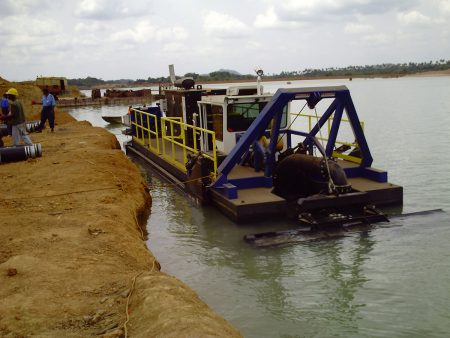
Mine tailings dredging is a critical process in modern mining operations, enabling efficient management of waste materials and slurry. This comprehensive guide covers everything you need to know about dredging technologies, best practices, and equipment selection for optimal tailings management.
What Is Mine Tailings Dredging?
Mine tailings dredging involves the removal and transportation of mining waste materials using specialized dredging equipment. This process is essential for maintaining operational efficiency, environmental compliance, and safe disposal of tailings materials. The dredging process handles slurry mixtures containing fine particles, water, and various mining byproducts.
Modern dredging systems are designed to handle challenging conditions while minimizing environmental impact. The technology has evolved significantly to meet stricter regulatory requirements and improve operational efficiency across mining sites worldwide.
Why Mine Tailings Dredging Matters for Operations
Effective tailings management directly impacts mining profitability and environmental responsibility. Mine tailings dredge solutions provide cost-effective methods for handling large volumes of waste materials while reducing the footprint of tailings storage facilities.
Proper dredging operations help prevent environmental contamination, reduce water usage, and enable better resource recovery from tailings materials. Mining companies increasingly recognize that investing in quality dredging equipment delivers long-term operational benefits.
Key Components of Dredging Systems
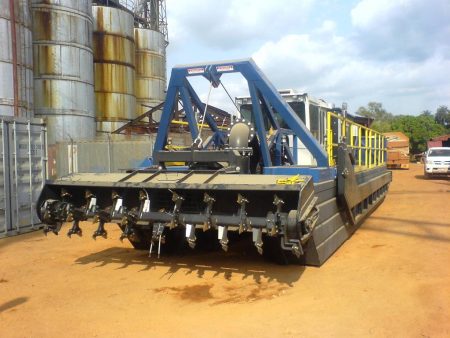
A complete dredging system consists of several critical components working together. The cutter head or suction inlet collects tailings material, while powerful pumps create the necessary vacuum and pressure for material transport. Pipeline systems carry the slurry to designated disposal or processing areas.
Advanced control systems monitor flow rates, pressure, and material density to optimize performance. Modern systems include automation features that reduce operator workload and improve consistency across dredging operations.
Environmental Considerations in Tailings Management
Environmental protection is paramount in mine tailings operations. Dredging systems must prevent spills, minimize water contamination, and ensure proper containment of all materials. Regulatory compliance requires careful monitoring and documentation of all dredging activities.
Closed-loop systems help reduce water consumption by recycling process water. This approach not only protects local water resources but also reduces operational costs associated with water procurement and treatment.
Selecting the Right Dredging Equipment
Equipment selection depends on multiple factors including tailings composition, volume requirements, site conditions, and disposal distances. Hydraulic dredges work well for fluid tailings, while mechanical dredges handle more consolidated materials effectively.
Consider factors like pump capacity, pipeline diameter, power requirements, and mobility when evaluating equipment options. Working with experienced manufacturers ensures you get equipment matched to your specific operational needs.
Best Practices for Efficient Dredging Operations
Successful dredging operations follow established best practices for safety, efficiency, and environmental protection. Regular maintenance prevents unexpected downtime and extends equipment life. Operator training ensures proper equipment use and optimal performance.
Monitoring systems provide real-time data on operational parameters, enabling quick adjustments to maintain efficiency. Documenting all operations supports regulatory compliance and helps identify opportunities for continuous improvement.
Future Trends in Mine Tailings Dredging
The dredging industry continues evolving with new technologies and approaches. Automation and remote operation capabilities are becoming standard features, improving safety and reducing labor requirements. Advanced materials and coatings extend equipment life in abrasive tailings environments.
Sustainability initiatives drive innovation in water recycling, energy efficiency, and reduced environmental impact. Mining companies that adopt these advances position themselves for long-term success in an increasingly regulated industry.
Conclusion
Mine tailings dredging plays a vital role in modern mining operations, offering efficient solutions for waste management and environmental protection. By understanding the key components, best practices, and emerging trends in dredging technology, mining companies can make informed decisions that improve operational efficiency while meeting regulatory requirements.
Investing in quality dredging equipment and following established best practices ensures long-term success in tailings management. As the industry continues to evolve, staying informed about new technologies and sustainable approaches will be essential for maintaining competitive advantage and environmental responsibility.