
Long travel days can feel like a workout you never planned. Hours of sitting slow blood flow, dry out tissues, and leave joints cranky. With a few smart habits, you can help your body bounce back faster and get back to training without a setback.
Why Long Trips Leave Your Muscles Stiff
When you sit for long periods, muscles shorten, and joints lose their normal glide. Circulation drops, which lets fluid pool in the lower legs and makes them feel heavy.
Air travel adds two extra stressors. Low humidity dries out soft tissues, and cramped seating limits natural fidgeting that usually keeps you loose.
Use Targeted Self-Massage
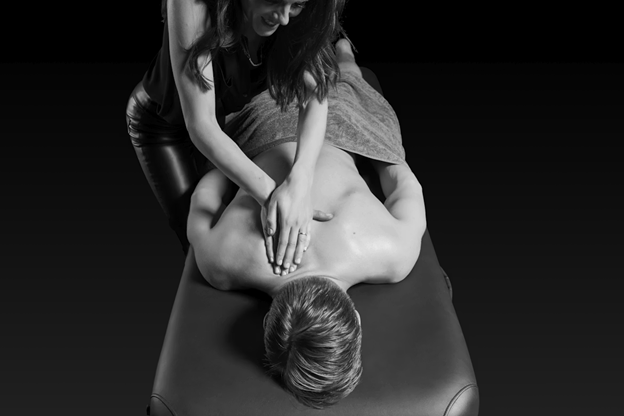
After you land, spend 5 to 10 minutes scanning for tight spots in calves, hip flexors, and upper back. Many athletes like portable tools for this job, Hyperice handheld massagers, among other treatments, can make it easy to apply quick pulses to stubborn areas, then follow with a few slow stretches to lock in range. Keep sessions short and calm instead of deep and painful.
Aim for slow breathing, and you work, then re-test a movement like a squat or toe touch to see if range improved. This light reset helps circulation and signals your nervous system to downshift after travel. Focus on symmetry, giving both sides attention even if one feels tighter.
If soreness lingers, hydrate and walk for a few minutes to keep tissues warm. Avoid aggressive pressure on joints or inflamed areas right after a flight. Consistency matters more than intensity, so repeat the routine later that day or the next morning.
Hydration Starts Before You Board
Begin topping up fluids the day before you leave, and carry a bottle you can refill after security. Aim for steady sipping instead of big chugs to avoid bathroom sprints.
Cabin air is typically quite dry, which increases fluid loss even if you do not feel sweaty. Travel health guidance from the CDC notes that aircraft cabins often sit around 10 to 20 percent humidity, so plan to drink more than you would at home.
Pilot group guidance has estimated that people can lose roughly 8 ounces of water per hour on board, mostly from normal breathing.
Support Circulation During Long Flights
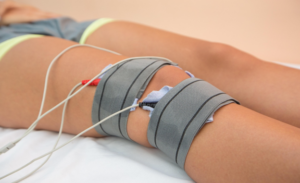
Prolonged stillness can cause blood and lymph to collect in the legs. If you have risk factors or flights longer than 4 hours, consider tools that help move fluid.
A recent summary from the American Heart Association highlighted evidence that graduated compression stockings reduce the chance of symptomless clots on long flights. That is a medical outcome, but the same gentle pressure can help legs feel fresher on arrival.
Make Your Seat A Mini Mobility Studio
Set a repeating timer for every 30 to 45 minutes. When it buzzes, run a short sequence: ankle pumps, seated knee extensions, glute squeezes, and gentle neck rotations.
Stand when you can and add calf raises or hip hinges near the aisle. Small, frequent moves keep joints lubricated and help your muscles maintain their normal resting length.
These micro-sessions reduce stiffness without drawing attention or breaking focus. Breathe slowly through your nose as you move to calm your system and improve circulation.
Keep ranges comfortable and controlled rather than forcing end positions. If space is tight, prioritize ankles and hips since they tend to lock up first. Over a long day, these small resets add up to noticeably easier standing and walking later.
First Workout After You Land
Your first session back should focus on blood flow and control, not max output. Start with 8 to 12 minutes of easy cardio, then hit mobility for hips, thoracic spine, and ankles.
Use a simple reset circuit to re-groove patterns and check how you feel before adding intensity:
- 60 seconds of light cardio
- 8 controlled calf raises per side
- 8 hip airplanes or standing hip circles
- 6 thoracic spine rotations per side
- 8 tempo squats
- 20 seconds plank
- 90 seconds easy walk
Repeat 2 to 3 rounds, resting as needed. If everything moves well and feels stable, you can build load in the next workout.
Sleep And Refueling To Recalibrate
Protect your first two nights after arrival. Keep the room cool and dark, skip late heavy meals, and anchor your wake time. If you crossed time zones, morning light plus a short walk can nudge your clock in the right direction.
Travel snacks often skew salty and low in protein. After you land, build a plate with lean protein, colorful produce, and a slow-carb like rice or potatoes. Add fluids and a pinch of electrolytes if you feel puffy or crampy.
Think of travel recovery as a short checklist. Hydrate, move often, support circulation, and do a brief self-massage session when you arrive.
With a solid first workout and good sleep, most people feel right again within a day or two and can get back to building strength without skipping a beat.