
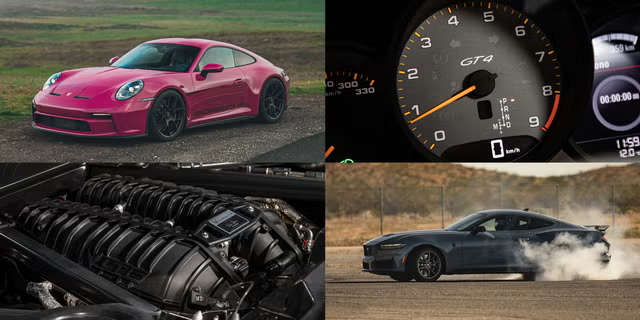
Performance cars with turbocharged engines have transformed the automotive world by delivering exceptional power without sacrificing efficiency. Once limited to motorsports and high-end supercars, turbocharging is now a core technology in many modern performance vehicles. By forcing more air into the engine, turbochargers allow smaller engines to produce higher horsepower and torque, resulting in thrilling acceleration and improved fuel economy.
This article explores how turbocharged performance cars work, their advantages, popular engine types, notable examples, a comparison table, and frequently asked questions.
What Is a Turbocharged Engine?
A turbocharged engine uses a turbine driven by exhaust gases to compress incoming air into the combustion chamber. More air means more fuel can be burned, generating increased power from a smaller engine.
Unlike naturally aspirated engines, turbocharged engines deliver:
-
Higher torque at lower RPMs
-
Improved power-to-weight ratio
-
Better fuel efficiency
-
Reduced emissions
These benefits make turbocharging ideal for modern performance cars.
Why Turbocharged Engines Dominate Performance Cars
1. Increased Horsepower and Torque
Turbochargers significantly boost engine output. A compact four-cylinder turbo engine can rival the performance of larger V6 or V8 engines, offering impressive acceleration and top-end power.
2. Improved Fuel Efficiency
Smaller turbocharged engines consume less fuel during normal driving while still providing explosive performance when needed. This balance appeals to drivers who want both speed and practicality.
3. Lighter Engine Design
Turbocharged engines are often smaller and lighter, improving weight distribution and handling. Reduced front-end weight enhances cornering and overall driving dynamics.
4. Better Emissions Control
Turbo engines burn fuel more efficiently, helping manufacturers meet strict emissions regulations without compromising performance.
Types of Turbocharged Performance Engines
Single-Turbo Engines
Offer quick response and simplicity. Common in hot hatchbacks and compact performance sedans.
Twin-Turbo Engines
Use two turbochargers to reduce turbo lag and increase power delivery. Often found in high-performance sports cars and luxury performance vehicles.
Variable Geometry Turbo (VGT)
Adjusts airflow for optimal performance at different speeds, improving responsiveness and efficiency.
Electrically Assisted Turbochargers
Use electric motors to eliminate lag and deliver instant boost, representing the future of turbo performance.
Popular Performance Cars with Turbocharged Engines
Many iconic performance cars rely on turbocharging for their exhilarating performance:
-
Turbocharged sports coupes
-
High-performance sedans
-
Hot hatchbacks
-
Luxury performance SUVs
-
Track-focused supercars
Modern performance cars often combine turbo engines with aerodynamic design, advanced suspension systems, and cutting-edge technology such as Cars with Advanced Infotainment and Touchscreen Systems to deliver both excitement and everyday usability.
Turbocharged Performance Car Comparison Table
| Feature | Turbocharged Performance Cars | Naturally Aspirated Performance Cars |
|---|---|---|
| Power Output | High from smaller engines | High from larger engines |
| Fuel Efficiency | Better overall efficiency | Lower efficiency |
| Torque Delivery | Strong low-end torque | Linear power delivery |
| Engine Size | Smaller and lighter | Larger and heavier |
| Emissions | Lower emissions | Higher emissions |
| Maintenance | Slightly more complex | Simpler design |
Advantages of Turbocharged Performance Cars
-
Faster acceleration and improved responsiveness
-
Better fuel economy for daily driving
-
Reduced engine weight for improved handling
-
Compatibility with modern hybrid systems
-
Enhanced tuning potential for enthusiasts
These benefits make turbocharged engines a preferred choice for manufacturers and drivers alike.
Potential Drawbacks to Consider
While turbocharged engines offer many advantages, they also have some considerations:
-
Turbo lag in older designs
-
Higher maintenance costs
-
Increased engine heat
-
Dependence on high-quality fuel and oil
Proper maintenance and modern engineering have significantly reduced these issues.
Future of Turbocharged Performance Cars
The future of performance vehicles continues to embrace turbocharging. Many manufacturers are pairing turbo engines with hybrid systems to deliver instant torque and improved efficiency. Electrically assisted turbos and advanced engine management systems are pushing performance boundaries while maintaining environmental responsibility.
Turbocharging remains a key technology in the transition toward electrified performance vehicles.
FAQs: Performance Cars with Turbocharged Engines
1. Are turbocharged performance cars reliable?
Yes. Modern turbocharged engines are highly reliable when properly maintained and built with advanced materials.
2. Do turbocharged cars require more maintenance?
They may require more attention to oil changes and cooling systems, but regular servicing ensures longevity.
3. Is turbo lag still a problem?
In most modern performance cars, turbo lag is minimal due to advanced turbo designs and engine tuning.
4. Are turbocharged engines good for daily driving?
Absolutely. They offer a balance of performance, efficiency, and comfort suitable for everyday use.
5. Can turbocharged engines be tuned for more power?
Yes. Turbocharged engines respond exceptionally well to tuning, making them popular among performance enthusiasts.
Final Thoughts
Performance cars with turbocharged engines represent the perfect blend of power, efficiency, and modern engineering. By delivering thrilling acceleration from compact engines, turbocharging has reshaped what performance vehicles can achieve. As technology continues to evolve, turbocharged engines will remain at the heart of high-performance driving, offering excitement without compromise.