

Walking should be a natural part of your day without any sharp reminders from your joints. Many people find themselves adjusting their gait or avoiding stairs due to a dull ache that never seems to go away. This sensation can limit your ability to enjoy time with family or perform well at work.
It is easy to ignore these sensations at first. You might think it is just a sign of getting older or a result of a long weekend of activity. Persistent discomfort is a signal that your body needs a bit of extra attention.
Recognizing The Signs Of Joint Wear
Pain that sticks around for more than a few weeks is often a signal from the body. It might feel like a grinding sensation when you bend your leg or a stiff feeling after sitting for a long time. These symptoms are common as we age or if we have a history of sports injuries.
Pay attention to when the discomfort happens. If it occurs after simple tasks like walking to the mailbox, it might be time to look closer at the cause. Tracking your pain can help you describe it better to a doctor later on.
Swelling is another common indicator that something is not right. A knee that looks larger than the other often has inflammation hidden beneath the skin.
Exploring Specialized Care
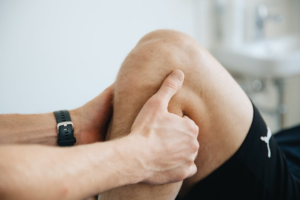
Finding the right professional is a major step in regaining your mobility. They will evaluate your history and perform physical tests to see how the joint reacts to pressure.
This initial exam is where you can share all your concerns. A specialist can help determine the best knee cartilage treatment based on your activity level and pain severity. This personalized approach makes sure you get back to your daily routine as safely as possible. Every patient has a different goal, from running marathons to walking around the block.
You should feel comfortable asking questions about the different options available. A good provider will explain the pros and cons of every choice you have.
Understanding Damage Levels
Medical professionals often look at the depth of the damage within the joint. They use detailed scans to see how much of the smooth surface has worn down. This helps them decide which medical path is right for your situation.
One recent report mentioned that lesions deeper than 50% of the cartilage thickness are usually the best candidates for restoration techniques. This helps doctors decide if a simple fix is enough or if more work is needed. Knowledge of the exact damage level helps in setting realistic goals for your recovery.
Understanding these levels allows for a more accurate recovery plan. Knowing the exact depth of the issue takes the guesswork out of the healing process.
Benefits Of Staying Active
Moving your body might feel like the last thing you want to do when your knee hurts. Low-impact exercises can help strengthen the muscles that support your weight. Stronger leg muscles take the pressure off the joint itself.
Evidence suggests that non-surgical treatment is relevant even for patients considered eligible for joint replacement. Exercise can improve your general health and help symptoms regress without needing a major operation. This approach focuses on building up the body’s natural support systems.
Walking or swimming is a great way to keep the joints mobile. These activities provide the necessary motion without putting too much stress on the sensitive areas.
The Impact Of Weight Management
Carrying extra weight can put a lot of pressure on your lower body joints. Every pound of body weight can feel like 4 pounds of pressure on the knee when you walk. This extra load can accelerate the wear on your cartilage over the years.
Maintaining a healthy weight helps reduce the daily wear and tear on your joints. It allows the joint to function as intended without the extra burden of heavy loads. Even losing a few pounds can result in a noticeable reduction in pain.
Small changes in your diet can make a big difference. Focus on whole foods and staying hydrated to support your overall well-being.
Diagnostic Imaging Needs
Doctors use several tools to see what is happening inside your leg. X-rays are common for looking at bones, but they do not show the soft tissues very well. These tests help rule out fractures or major alignment issues.
An MRI is often needed to get a clear picture of the cartilage and ligaments. These images provide the detail required to spot small tears or areas of thinning. A clear picture helps in making a plan that actually works.
- X-rays show bone alignment and spacing.
- MRI scans provide a 3D view of soft tissue.
- Physical exams test the range of motion.
Having these tests done early can prevent a small issue from becoming a larger problem. It gives you a roadmap for your recovery journey.
Taking care of your knees today will help you stay active for years to come. Do not let persistent pain stop you from enjoying the activities you love. Your future self will thank you for taking these steps now.
Address the discomfort early and seek advice from a professional when needed. Your mobility is a key part of your independence and quality of life. Stay focused on your goals and keep moving forward.