

A successful renovation starts long before the first hammer swing. The best projects begin with a clear plan, a realistic budget, and a team you trust. Use this guide to map the journey from idea to move-in so you can avoid common delays and surprises.
Set Your Scope And Budget
Start by listing rooms, features, and must-haves. Rank them in order of importance so you know where to compromise if costs rise. Get a rough price range by comparing similar projects and calling at least 2 to 3 pros for estimates.
Build a buffer into the budget for surprises. Old framing, hidden water damage, or panel upgrades can push costs up. Keep a small contingency for design changes you might make as walls open and ideas evolve.
Decide which elements are functional versus cosmetic. Structure, electrical, and waterproofing protect the house and should come before new tile or fixtures. If funds tighten, you can phase cosmetic upgrades later without risking the shell.
Choose The Right Team
Interview licensed contractors with projects like yours, and ask to see current insurance and recent references. When you are comparing exterior upgrades in the Pacific Northwest climate, Seattle home siding experts can help you weigh materials, detailing, and maintenance options for wet weather. Review sample schedules and communication habits, then pick a pro who explains the plan in plain language.
Request a detailed scope that lists materials, model numbers, installation methods, and exclusions. Confirm who handles permits, inspections, and daily site supervision. A strong contract sets expectations and keeps surprises to a minimum.
Build A Realistic Timeline
Renovations run more smoothly when you break the work into steps. A typical sequence is planning, design, permitting, procurement, and construction. Schedule early orders for long-lead items like windows, tile, and custom cabinets.
Use a shared calendar with milestones and review dates. Meet weekly with your contractor or lead trades to track progress and approvals. If a delay hits a critical path item, reshuffle noncritical tasks to keep people working.
- Confirm permit requirements and inspections
- Order long-lead materials first
- Lock selections before rough-in
- Schedule walk-throughs at framing, rough-in, and pre-finish
- Approve change orders in writing
Plan For Health And Safety
Safety starts with a clean job site, dust control, and proper protective gear. Ask your contractor how they will isolate work areas, vent dust, and protect occupants.
If you plan to live at home during the project, set rules for work hours and daily cleanup. Homes built before 1978 may have lead-based paint on trim, windows, or siding.
A federal environmental resource reports that about half of pre-1978 homes contain lead-based paint, so any disturbance should follow lead-safe work practices and trained personnel. This reduces contamination and keeps both workers and families safe.
Improve Energy Performance
Renovation is the ideal time to tighten the envelope and reduce bills. Insulation, air sealing, window upgrades, and smarter heating can pay for themselves. Focus on the attic, exterior walls, and rim joists where heat loss is highest.
Recent federal guidance explains that certain energy-efficient upgrades may qualify for a dollar-limited annual tax credit when they meet current code standards for insulation and air sealing.
Plan these improvements during design so your materials, ratings, and installer documentation align with requirements. Keep invoices and product labels organized for tax time.
Check Funding And Incentives
Before you assume grants will cover the project, review official guidance on home repair programs.
A federal consumer portal makes clear that there is no free federal cash for general home repairs. Instead, look to local incentives, utility rebates, or targeted programs for energy, weatherization, or accessibility.
If your home is in a designated area or you meet specific criteria, you may find low-interest loans or limited grants through state or municipal channels.
Utility providers often offer rebates for heat pumps, smart thermostats, insulation, and windows. Build these into your cost plan, so you know the net price after credits and rebates.
Design For Everyday Living
Walk through your home routine and sketch traffic paths, storage, and sightlines. In kitchens, map zones for prep, cooking, and cleanup. In bathrooms, think about clearances, grab-bar blocking, and waterproofing at niches and benches.
Lighting and outlets matter as much as tile and paint. Add task lighting under cabinets, dimmers in living areas, and enough circuits for modern loads. Plan smart controls early so devices and wiring match your system.
Manage Construction Like A Project
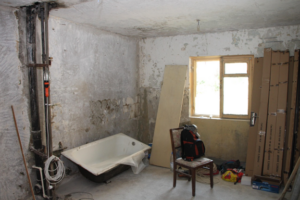
Treat the build as a series of checkpoints. Hold short site meetings to review progress and approve details before they are covered up. Photograph framing, plumbing, and wiring to document what is behind the walls.
Track change orders, deliveries, and inspection results in a single file. Pay against milestones when work passes inspection and matches the plans. Keep punch lists short by walking the site with blue tape before final paint.
As you near completion, confirm warranties, manuals, and finish schedules. Test every fixture and appliance with your contractor present. Schedule a final clean, then a follow-up visit after 30 days to address settling, squeaks, or minor touch-ups.
Your renovation should fit your life, not the other way around. With clear goals, a realistic plan, and a dependable crew, you can transform your space without losing your mind or your budget.