

Going away on a long trip brings a lot of excitement. Most travelers spend days packing bags and checking flight times. It is easy to forget about the backyard swimming pool during the rush.
Leaving a pool sitting idle for weeks can result in green water or safety risks. Taking a few simple steps now saves time and money later. You will appreciate the effort when you return to a sparkling oasis instead of a swamp.
Secure The Area With Proper Safety Barriers
Neighborhood kids or wandering pets might find their way into the yard. If a permanent gate is under repair, look for temporary fencing for pools to keep the perimeter secure and prevent accidents. Neighbors will feel better knowing the area is blocked off.
Sturdy locks on all entry points provide extra layers of protection. Keeping the area locked up reduces your stress levels as you sit on a beach far away. Intruders are not the only concern when you are gone.
Balance Water Chemistry for Long-Term Clarity
Correct chemical levels keep the water safe and clear. Keeping pH levels between 7.2 and 7.6 to prevent equipment damage. They mentioned maintaining alkalinity around 80 to 120 ppm for better stability.
Add extra protection against growth. Using a long-lasting algaecide to stop green blooms before they start. This product works in the background to keep the water crystal clear in your absence. High chlorine levels help, but algaecide provides a backup if the chlorine drops.
- Test the pH and alkalinity levels 2 days before leaving.
- Shock the pool to kill any existing bacteria.
- Clean the skimmer baskets to prevent clogs.
- Check the water level to make sure it is high enough for the pump.
Sunlight destroys chlorine quickly during hot summer months. Using a stabilizer protects the chemicals from UV rays. This process means the chlorine lasts longer and works harder as the home is vacant. Checking these levels early gives you time to make adjustments.
Maintain Mechanical Systems And Filtration
Stagnant water is an invitation for bugs and algae. Set a timer so that the water moves for at least 8 hours every day. Inspecting the pump basket for debris prevents the motor from burning out. A pool cover stops leaves and dirt from falling into the water and slows down evaporation so the water level stays steady.
Reducing evaporation means the pump has a lower risk of running dry. Less debris means the filter does not have to work as hard. If the water falls below the skimmer, the pump might run dry and fail. A quick 5-minute check can save a $1000 repair bill.
Review Compliance And Local Safety Rules
Keeping up with these rules prevents fines and improves safety. A government resource clarifies that pool fences must be at least 1200mm high from the ground to the top. Meeting these standards is a legal requirement in many regions.
Gates must swing shut and latch on their own every single time. If the latch is sticky, use a bit of lubricant to fix the problem. Homeowners should verify that no climbable objects are near the fence line. Trees or shrubs can grow over a fence and provide a foothold.
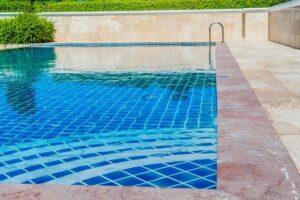
Coming home to a clean pool is a great way to end a vacation. You can jump right in and relax without scrubbing the walls or adding gallons of chemicals. Proper planning turns a potential chore into a simple homecoming.
Your equipment will last longer, and your water will stay fresh. Enjoy your trip knowing the home front is handled. A little work today makes for a much better return tomorrow.