
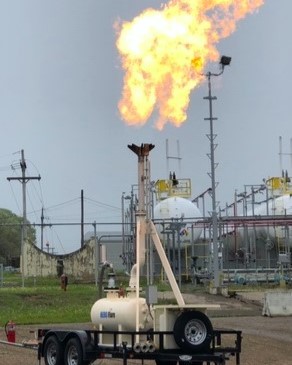
In many industries, managing excess gases safely is a top priority. Whether it’s during maintenance, testing, or emergency situations, having flexible solutions is essential. Portable flares offer a practical and efficient way to handle gas flaring needs without requiring permanent installations.
Understanding Portable Flares And Their Applications
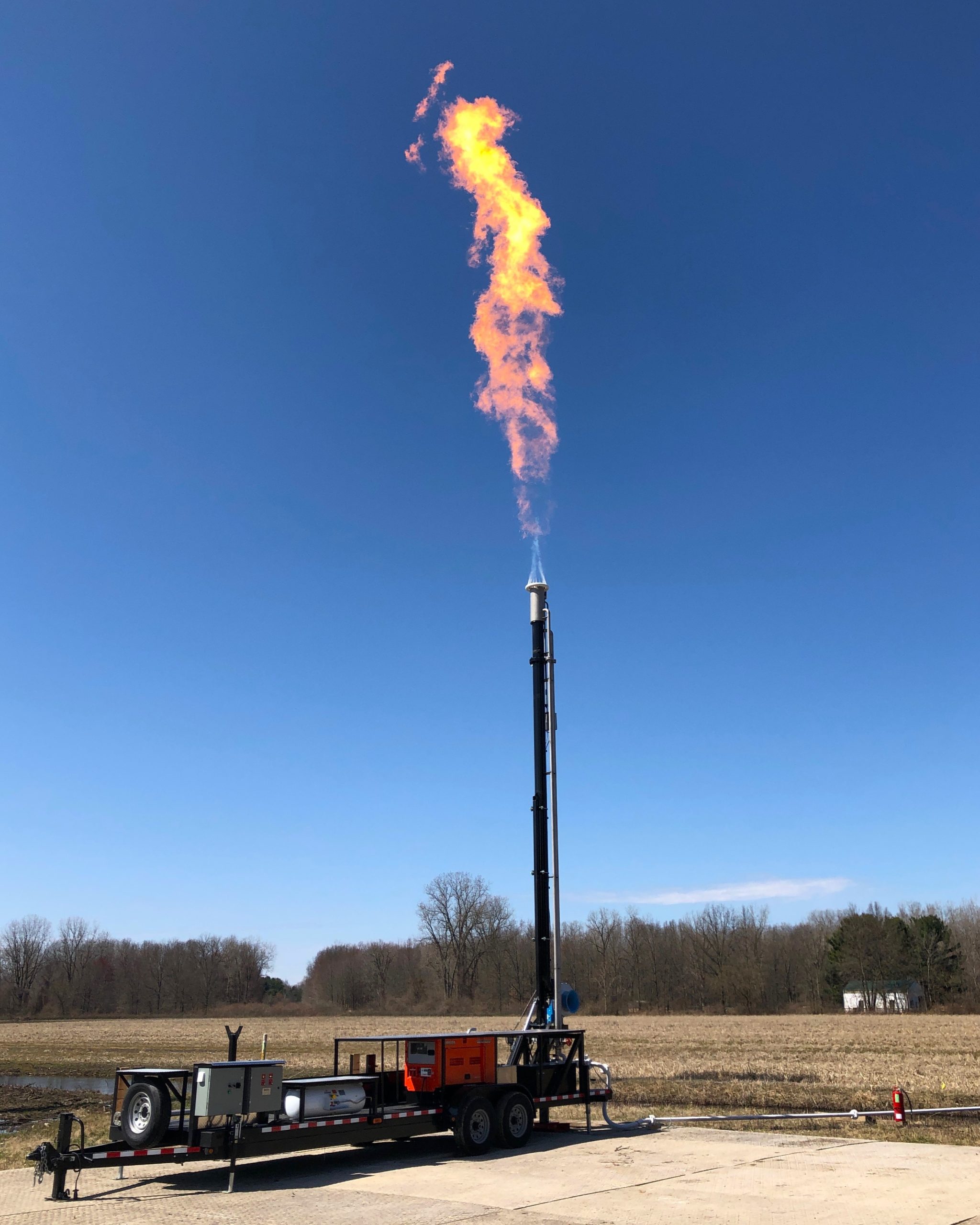
Portable flares are mobile systems designed to safely burn off excess or unwanted gases in various industrial settings. Unlike fixed flare systems, these units can be transported and set up quickly, making them ideal for temporary operations such as well testing, pipeline maintenance, and emergency pressure relief.
These systems are commonly used in industries like oil and gas, petrochemicals, and refineries. They help reduce the risk of gas accumulation, which can lead to dangerous situations such as explosions or environmental hazards. By combusting gases in a controlled manner, portable flares convert harmful emissions into less hazardous substances.
One of the key advantages of portable flares is their flexibility. They can be deployed in remote locations or areas where permanent flare systems are not feasible. This makes them a valuable tool for companies that require reliable and adaptable gas management solutions.
Why Portable Flares Are Essential For Industrial Operations?
Portable flares play a crucial role in maintaining safety and efficiency in industrial operations. They provide a quick and effective way to manage excess gases, especially during unexpected situations or planned maintenance activities.
One of the main benefits of portable flares is their ability to ensure compliance with environmental regulations. Industries are required to control emissions and minimize their impact on the environment, and portable flares help achieve this by safely burning off gases.
Additionally, portable flares help maintain operational continuity. During equipment shutdowns or repairs, these systems allow processes to continue without interruptions. This reduces downtime and helps businesses avoid costly delays.
Types Of Portable Flares Available
Portable flares come in different types, each designed to meet specific operational requirements. Understanding these options can help you choose the right system for your needs.
One common type is the open flame portable flare. These systems are simple and cost-effective, making them suitable for operations where visibility and noise are not major concerns. They are widely used in remote areas and large industrial sites.
Enclosed portable flares are another option. These systems are designed to minimize noise, light, and emissions, making them ideal for use in environmentally sensitive or populated areas. They provide a more controlled combustion process and improved safety.
There are also high-capacity portable flares designed for handling large volumes of gas. These systems are used in heavy industrial operations where efficiency and performance are critical.
How To Choose The Right Portable Flares?
Choosing the right portable flares requires careful consideration of your operational needs and environmental conditions. The first step is to evaluate the type and volume of gas that needs to be managed. Different systems are designed to handle varying capacities, so it’s important to select one that matches your requirements.
Next, consider the location where the flare will be used. Remote sites may require systems that are easy to transport and set up, while urban areas may need enclosed flares to reduce noise and emissions.
Safety features are another important factor. Look for systems with reliable ignition mechanisms, flame monitoring, and emergency shutdown capabilities. These features ensure safe and efficient operation under different conditions.
Key Benefits Of Using Portable Flares
Portable flares offer several advantages that make them an essential tool for industrial gas management. One of the biggest benefits is flexibility. These systems can be easily moved and deployed wherever they are needed, providing a convenient solution for temporary operations.
Another key benefit is cost-effectiveness. Since portable flares do not require permanent installation, they reduce infrastructure costs and can be used across multiple projects. This makes them a practical investment for businesses looking to optimize their operations.
Factors That Affect Portable Flare Performance
The performance of portable flares depends on several factors, and understanding these can help you get the best results from your system. One of the most important factors is the design of the flare. A well-designed system ensures efficient combustion and minimal emissions.
The composition of the gas being flared also plays a significant role. Different gases require different combustion conditions, and the system must be capable of handling these variations.
Environmental conditions such as wind speed, temperature, and humidity can impact performance. Portable flares are often designed to operate under a wide range of conditions, but it’s important to consider these factors when selecting a system.
Conclusion
Portable flares are a reliable and flexible solution for managing excess gases in industrial operations. Their ability to provide safe, efficient, and temporary gas flaring makes them an essential tool for various industries.