
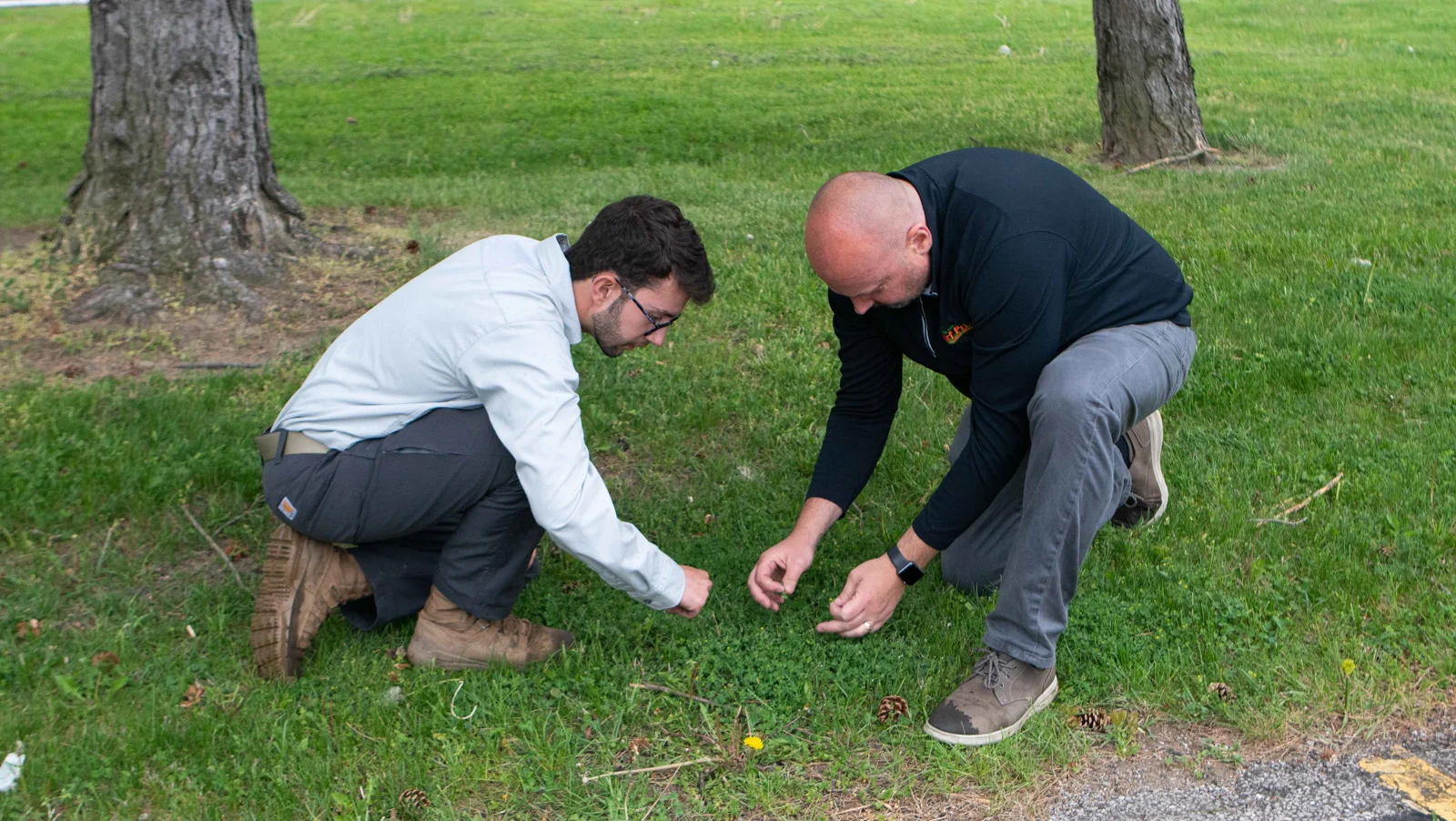
When lawns show bare spots, thinning grass, or widespread damage, addressing symptoms alone won’t restore long-term health. Lawn repair programs offer a structured, professional approach to revive turf, enhance curb appeal, prevent erosion, and protect property value. They combine diagnosis of underlying problems—like pests, soil issues, or irrigation gaps—with targeted treatments such as overseeding, soil amendments, and aeration. This guide explains common causes of lawn damage, when to call a professional, the services and techniques experts use, realistic costs and timelines, and simple DIY measures that complement professional work. For busy homeowners, property managers, and service buyers, following a clear program ensures quick, visible results while building resilience for future seasons.
Common Causes Of Bare And Damaged Lawns
Identifying Problems: Thatch, Compaction, Pests, And Disease
A technician’s first step is diagnosis. Thatch, a build-up of dead organic matter at the soil surface, restricts water and nutrient movement and often creates thin patches. Soil compaction from heavy foot traffic compresses roots and reduces oxygen, causing turf to brown and die back. Pests such as grubs and chinch bugs consume roots and crowns, producing irregular dead spots. Fungal diseases (brown patch, dollar spot, rust) present distinct patterns and textures: professionals recognize these at a glance and confirm with simple tests.
Several clues help differentiate causes: a spongy feel and shallow roots point to thatch: hard, dense soil signals compaction: uniform circular patches with visible larvae suggest grub activity: a greasy sheen or fuzzy growth indicates disease. Accurate identification prevents wasted effort on the wrong treatment.
Environmental And Use Factors: Shade, Traffic, And Soil Issues
Environmental stresses compound mechanical and biological problems. Heavy shade reduces photosynthesis and thins turf, while repeated vehicle or foot traffic slices turf and compacts soil. Poor soil, low organic matter, incorrect pH, or inadequate drainage, creates conditions where turf can’t recover.
Climate matters, too: cool-season grasses (fescue, Kentucky bluegrass) thin in summer heat: warm-season grasses struggle in cold, shaded yards. Professionals evaluate sun exposure, irrigation patterns, and soil profiles before recommending repair. They also consider landscape use: play areas, dog zones, or event lawns often need more robust treatments and resilient seed/sod selections.
Together, these diagnostic steps explain why simple patch jobs sometimes fail: without resolving underlying environmental or soil issues, new turf won’t thrive.
When To Choose Professional Lawn Repair Versus Simple Patchwork
Signs You Need Pro Intervention
Certain signs indicate that a lawn needs professional repair rather than a DIY patch:
- Multiple and expanding bare spots across the yard
- Persistent compaction or widespread thatch layers over 1/2 inch
- Recurring pest or disease outbreaks even though home treatments
- Poor soil test results (extreme pH, nutrient deficiency, low organic matter)
- Drainage problems causing pooling or washouts
- Large-scale renovation following construction, insect damage, or heavy erosion
If any of these are present, a pro brings tools, diagnostics, and treatments (aerators, lab-quality soil tests, integrated pest management) that most homeowners lack.
Quick Checks To Decide If A Full Renovation Is Required
Before calling, a homeowner can run three quick checks to gauge the scope of work:
- Thatch Test: Insert a screwdriver into the turf. If it meets resistance and a spongy layer appears at the surface, dethatching or aeration is likely needed.
- Soil Probe: Push a steel rod or similar probe, if it’s very hard below the surface, compaction is the problem.
- Visual Pattern: Is the damage concentrated in one spot (isolated dog area, compacted path) or widespread and patchy? Widespread problems usually need renovation.
These simple checks help prioritize emergency fixes versus scheduled professional treatment.
Professional Lawn Repair Services And Techniques
Assessment And Soil Testing
Professional repair starts with a full-site assessment and soil test. A lab analysis provides pH, nutrient levels, organic matter percentage, and texture information. Based on results, technicians recommend lime or sulfur to adjust pH, targeted fertilizers, and organic amendments to rebuild soil structure. This data-driven approach prevents band-aid solutions and informs seed choice, irrigation adjustments, and fertilizer schedules.
Core Aeration, Dethatching, And Topdressing
Core aeration removes small plugs to relieve compaction, improves oxygen flow, and lets water penetrate. Dethatching mechanically removes excess thatch that blocks root growth. After aeration and dethatching, professionals often topdress with a thin layer of compost or screened topsoil to improve soil structure and encourage seed-to-soil contact. These combined steps rejuvenate dormant turf and set the stage for successful overseeding.
Reseeding Versus Sod Replacement: Pros, Cons, And Use Cases
Reseeding (overseeding) is cost-effective for large areas and encourages deeper, denser turf over time. It’s best in mild seasons, early fall for cool-season grasses and late spring for warm-season varieties. Pros of reseeding: lower material cost, improved long-term resilience. Cons: slower establishment and vulnerability to foot traffic until rooted.
Sod replacement delivers instant results and is preferable for high-visibility areas, steep slopes where erosion is a concern, or when a fast turnaround is required for events or sales. Sod costs more and requires intensive watering initially, but it provides immediate coverage and erosion control.
Professionals advise based on use-case, budget, and calendar timing.
Pest, Disease, And Drainage Remediation
Integrated pest management (IPM) combines monitoring, biological controls, and targeted chemical treatments only when necessary. For grub infestations, professionals time insecticide applications to the lifecycle for maximum effect. Fungal diseases may require cultural changes, better drainage, reduced irrigation at night, and fungicide applications if severe.
Drainage issues often need grading corrections, French drains, or engineered swales. Addressing these prevents repeat failures and protects landscape investments.
Typical Cost, Timeline, And Expected Outcomes
Cost Factors: Materials, Labor, And Extent Of Damage
Costs vary widely by region, lawn size, and chosen approach. Key cost drivers include:
- Extent of damage and whether full renovation is required
- Choice between seed and sod (sod runs significantly higher)
- Labor for grading, excavation, or heavy machinery
- Soil amendments and commercial-grade treatments/lab testing
- Pest or disease remediation complexity
As a rough benchmark: small targeted repairs (aeration + overseed) can run a few hundred dollars: full renovation with grading and sod for an average suburban yard often ranges into the low thousands. Professionals provide transparent line-item quotes after assessment so decision-makers can compare value, not just price.
Realistic Timelines For Recovery And Maintenance Plans
Timelines depend on method and season. Typical expectations:
- Overseeding with aeration: visible improvement in 3–6 weeks: full recovery 8–12 weeks depending on weather.
- Sod installation: instant cover, but 2–3 months for deep root establishment with diligent watering and limited traffic.
- Full renovation (grading, soil amendment, seed or sod): 4–12 weeks to stable turf, longer if weather delays occur.
Maintenance plans, scheduled aeration, fertilization cycles, and targeted spot treatments, preserve investment. Professionals often offer post-installation maintenance contracts to ensure long-term success.
How To Choose A Reliable Lawn Repair Contractor
Questions To Ask: Guarantees, Methods, And Warranties
When evaluating contractors, decision-makers should ask direct questions:
- Do they provide a written warranty or turf establishment guarantee? What does it cover and for how long?
- Which methods will they use (soil testing, aeration, dethatching, topdressing), and why are those chosen?
- Are materials (seed, sod, amendments) specified by brand, variety, and grade?
- How will they manage pests and drainage problems? Are chemical treatments part of the plan?
- What are expectations for homeowner aftercare?
A reliable contractor will explain the rationale, show prior results, and provide realistic timelines and care instructions.
Evaluating Quotes, Credentials, And Local References
Compare multiple quotes, but weight them by scope and inclusions rather than price alone. Check for:
- Local licensing and insurance
- Positive local references and before/after photos
- Professional affiliations (state turfgrass associations, landscape trade groups)
- Transparent, itemized proposals and a clear schedule
Local references matter because climate and soil vary regionally: a contractor experienced with local grasses will avoid common mistakes.
DIY Preparations And Aftercare To Complement Professional Work
Simple Pre-Repair Tasks Homeowners Can Do To Save Time
Homeowners can help reduce costs and speed work by doing a few preparatory tasks:
- Remove debris, broken play equipment, and large stones
- Mark underground utilities and sprinkler components
- Temporarily relocate potted plants and garden furniture
- Limit pet access and high-traffic use of the area to be repaired
Communicating expectations and prepping the site often shortens crew time and reduces change-order charges.
Post-Repair Care: Watering, Mowing, And Follow-Up Treatments
Post-repair care is critical. For seed, keep soil consistently moist, light, frequent watering several times daily until seedlings establish. For sod, deeply water daily to encourage root growth, tapering over several weeks. Mowing should wait until turf reaches recommended height for the species: then follow conservative mowing heights and sharp blades to avoid stress.
Follow-up includes scheduled fertilization and, if recommended by the contractor, spot pest monitoring and seasonal aeration. A short check-in with the contractor after 30–60 days ensures corrective action if portions underperform.
Those who invest time in proper aftercare see significantly better outcomes and longer-lasting repairs.
Conclusion
Professional lawn repair for bare and damaged lawns is an investment in the property’s health and value. By diagnosing underlying causes, choosing appropriate methods (aeration, dethatching, reseeding, or sod), and addressing pests, diseases, and drainage, professionals deliver durable results that simple patchwork rarely achieves. Decision-makers should weigh costs and timelines, vet contractors for local experience and warranties, and contribute smart pre- and post-care to protect the investment.
Hiring a reputable lawn repair professional turns a failing lawn into an asset, improving curb appeal, usability, and long-term maintenance costs.