
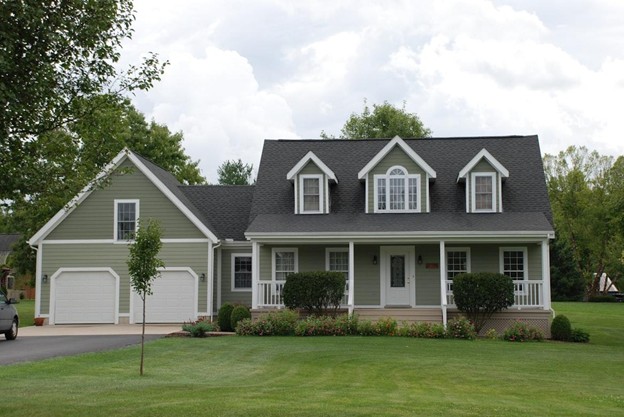
Maintaining a solid roof is about more than just curb appeal. It keeps your family dry and prevents expensive structural issues from developing over time. Regular checks can catch small problems before they turn into a total replacement.
Look for Shingle Damage
Your shingles are the first line of defense against the elements. A recent industry report noted that nearly 50% of all homeowners insurance claims in the U.S. relate to wind and hail damage. Check for any pieces that are cracked, curling, or missing.
Asphalt materials are prone to cracking or blistering when they face extreme heat and moisture. Another common issue involves moss growth on the surface. One expert guide explains that moss holds moisture against your roof and can lead to rot.
Examine the Flashing
Flashing consists of metal pieces installed around chimneys, vents, and valleys. These areas are common spots for leaks to start. Even minor damage to the flashing can cause significant water damage inside your home.
Metal roofing materials are known for durability and often have a 40-year lifespan. Finding a local roofer in Charlotte is a great way to ensure these metal components are installed correctly. Reliable installation prevents water from seeping into the wooden structure of your house.
Inspect Gutters and Drainage
Gutters must stay clear to move water away from your foundation. Clogged gutters cause water to back up under the edge of your roof. This leads to fascia rot and ice dams in colder months.
- Clear out leaves and debris at least twice a year.
- Check for sagging sections where water might pool.
- Look for granules in the gutters which signal shingle wear.
- Verify that downspouts direct water far away from the walls.
Check Vents and Airflow
A roof needs to breathe to stay healthy. Proper airflow reduces condensation and prevents timber decay in your attic. Blocked vents trap heat, which cooks your shingles from the inside out during summer.
Make sure your soffit and ridge vents are free of bird nests or dust. Good ventilation also keeps your energy bills lower. It prevents the attic from becoming a furnace that warms the rest of the house.
Watch for Slipped Slats
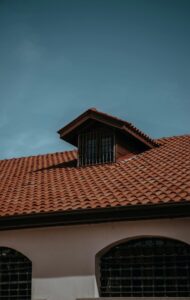
If you have a slate or tile roof, alignment is everything. Slipped slates expose nail holes and underfelt to the rain. This creates direct entry points for water to ruin your ceiling.
Scan the roofline for any tiles that look out of place. You should also check the ground for broken pieces after a big storm. Look for gaps in the ridge tiles where mortar might be failing.
Evaluate Metal Fasteners
Metal roofs rely on thousands of screws to stay secure. Over time, the rubber washers on these fasteners can wear out. Worn washers often lead to small, nagging leaks that are hard to find.
Tightening these or replacing the gaskets is a simple fix. It is much cheaper than dealing with a rotted roof deck later. Regular inspections help you stay ahead of these tiny hardware failures.
Identify Sagging Areas
A sagging roofline is a sign of serious structural trouble. It often indicates that the decking or rafters are rotting from long-term moisture exposure. You can spot this by looking at the ridge of the roof from across the street.
If the line is not perfectly straight, you need a professional opinion. Sagging can also happen if too many layers of shingles were installed. The weight becomes too much for the frame to support.
Analyze Interior Ceiling Stains
Sometimes the best way to check your roof is from inside the house. Look for yellow, brown, or grey rings on your ceilings and walls. These stains show that water is currently finding a way in.
Check your attic during a heavy rainstorm with a flashlight. Look for damp rafters or insulation that feels heavy and wet. Finding the leak from the inside helps you pinpoint exactly where to look on the outside.
Consider Professional Inspections
Climbing a ladder is not for everyone. You can expect to pay between $150 and $500 for a professional roof inspection. Complex or very large roofs might cost closer to $1,000 for a full report.
Investing in a pro can save you a lot of money in the long run. Preventive maintenance reduces your overall repair costs by up to 40% compared to waiting for a leak to happen. Experts see things that an untrained eye might miss from the ground.
Keeping your roof in top shape is a year-round job. Taking the time to look up once in a while helps you spot trouble early. A little bit of effort today protects your biggest investment for decades to come. Stay safe and keep your home dry by staying on top of these simple checks.