
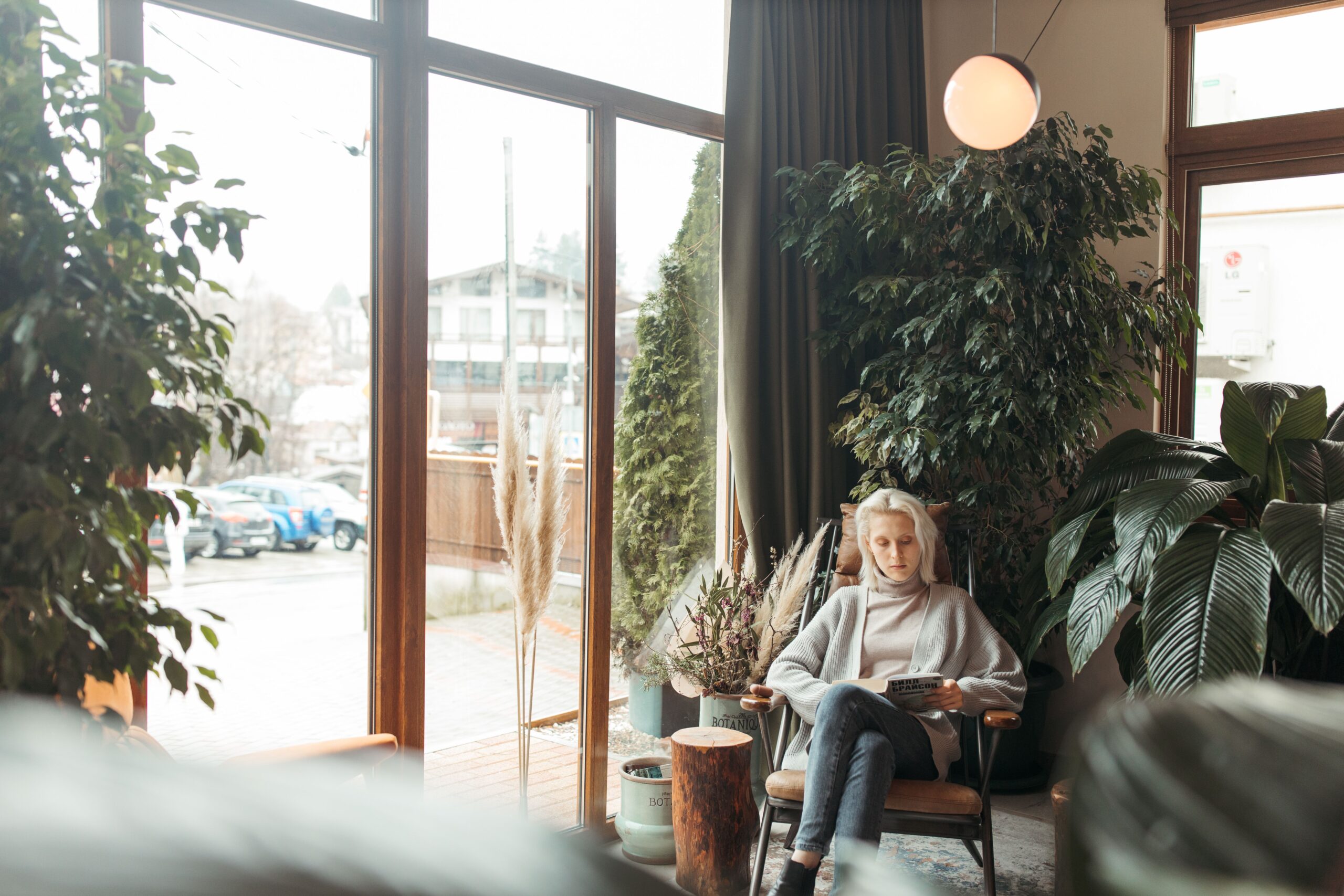
Luxury at home is changing. For years, the idea of an impressive interior was often tied to visible expense: oversized furniture, glossy finishes, dramatic lighting, and rooms designed more for display than daily life. Today, the most desirable homes are moving in a calmer direction. They still feel refined, but they are also warmer, more practical, and more personal.
This shift is often described as quiet luxury. In interior design, it means choosing quality over spectacle, comfort over clutter, and atmosphere over obvious status symbols. A quietly luxurious room does not need to announce itself. It feels considered from the moment someone walks in.
Comfort Has Become a Design Priority
Modern homeowners are no longer designing rooms only for guests or photographs. They want spaces that work for everyday routines: reading in the morning, preparing dinner, relaxing after work, hosting a small group of friends, or spending a quiet weekend indoors. This has made comfort one of the strongest markers of good design.
Soft seating, natural textures, layered lighting, and easy movement through a room all matter. A beautiful living room that feels uncomfortable quickly loses its appeal. A well-designed home should support real life without sacrificing style.
This is why many designers are paying closer attention to the emotional quality of a room. Does the space feel calm? Is there enough natural light? Are the materials pleasant to touch? Is the furniture arranged for conversation, rest, or focus? These questions are now just as important as color palettes and furniture trends.
Natural Materials Create Lasting Appeal
One reason quiet luxury has become so influential is that it favors materials that age well. Wood, stone, linen, wool, ceramic, leather, and metal finishes with depth tend to feel timeless. They also bring subtle variation into a space, which makes rooms feel more human and less manufactured.
Natural materials do not have to be expensive to be effective. A simple oak table, a linen curtain, a handmade vase, or a wool rug can add warmth and character. The key is restraint. Instead of filling a room with too many decorative elements, the best interiors allow a few strong materials to carry the atmosphere.
This approach also makes homes easier to update over time. A neutral foundation with quality textures can adapt to new art, seasonal decor, or changing lifestyle needs without requiring a complete redesign.
Lighting Shapes the Mood of a Home
Lighting is one of the most overlooked parts of interior design, yet it has an enormous effect on how a home feels. A room with only one overhead light can seem flat and harsh, even if the furniture is beautiful. A room with layered lighting feels softer, more flexible, and more expensive.
A thoughtful lighting plan usually includes three layers: ambient lighting for general brightness, task lighting for reading or cooking, and accent lighting to highlight art, shelves, architectural details, or textured walls. Warm bulbs, dimmers, and lamps placed at different heights can instantly make a space feel more inviting.
Quiet luxury often lives in these details. It is not always about what a guest immediately notices. Sometimes it is the way a room glows in the evening, the way a reading corner feels separate from the rest of the space, or the way soft lighting makes natural materials feel richer.
The Rise of Functional Beauty
Another major change in home design is the move toward functional beauty. People want homes that look elegant, but they also want better storage, flexible rooms, durable surfaces, and furniture that fits the rhythm of daily life.
This is especially visible in kitchens, entryways, home offices, and open-plan living areas. Built-in storage, hidden charging stations, durable fabrics, and multi-purpose furniture can all make a home feel more refined because they reduce visual noise. When everyday items have a proper place, the entire space feels calmer.
The best interiors do not force people to choose between beauty and practicality. They make practical decisions look intentional.
Personal Details Matter More Than Perfect Rooms
Luxury interiors are also becoming more personal. Instead of copying a showroom, homeowners are mixing vintage pieces, travel finds, family objects, art, books, and handmade items with modern furniture. This gives a room depth and prevents it from feeling overly staged.
A home should reveal something about the people who live there. It might be a collection of ceramics on open shelves, a framed print from a meaningful trip, a dining table chosen for long conversations, or a chair placed beside a window because that is where someone likes to read.
These details may seem small, but they create emotional connection. A polished room can impress people. A personal room makes them want to stay.
Designing for a Slower, Better Lifestyle
Quiet luxury is ultimately less about a single style and more about a lifestyle. It asks homeowners to slow down and think about how each part of the home supports comfort, beauty, and well-being. Instead of chasing every trend, it focuses on choices that will still feel right years from now.
For readers who enjoy practical home styling ideas, Kōōihaus is an interior design magazine that explores calm, useful, and approachable ways to make everyday spaces feel more considered.
The most successful homes today are not necessarily the loudest or most expensive. They are the ones where every element has a reason: the light is soft, the materials feel good, the layout supports daily life, and the details reflect the people who live there. That is the new language of modern luxury.