
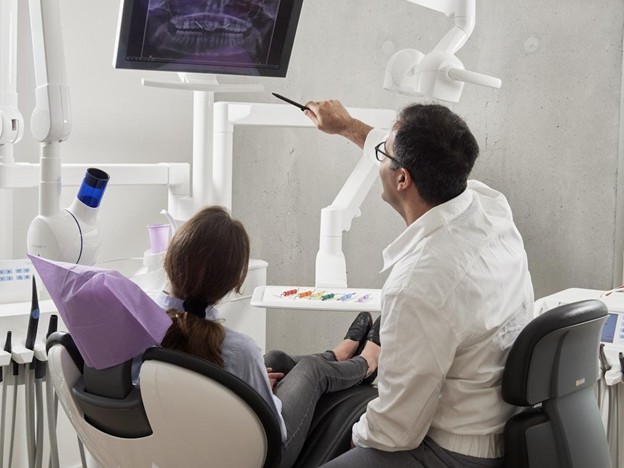
Regular dental visits are important for maintaining health. Many people assume that brushing and flossing alone are sufficient, but professional check-ups allow dentists to identify issues early, preventing them from developing into more serious problems. Consistent visits help save time, reduce costs, and keep your teeth and gums healthy, while supporting a confident and lasting smile.
These appointments monitor changes in oral health and provide personalized preventive guidance. Early detection of decay, gum disease, or other conditions ensures timely treatment and supports long-term well-being and comfort.
Early Detection of Dental Problems
Regular check-ups with a local clinic like Bluff Point in Geraldton means the ability allows for early detection of problems that may not yet be visible to the eye. Cavities, for example, can form between teeth or under existing fillings, making them difficult to identify without professional examination. Early detection ensures simpler and more affordable treatment options.
Gum disease is another condition that often develops silently. Gingivitis may go unnoticed, but if left untreated, it can progress to periodontitis, which affects the bone and tissue supporting teeth. Routine examinations help prevent such progression by enabling timely interventions.
Dentists screen for oral cancer during check-ups. Early-stage oral cancer may present few symptoms, but it can be life-threatening if diagnosed late. Regular visits significantly increase the chances of successful treatment and recovery.
Building a Relationship With Your Dentist
Frequent visits allow patients to build trust with their dental provider. Understanding your dentist and their approach fosters confidence in treatment recommendations and comfort during procedures.
A strong relationship ensures that concerns are addressed promptly. Finding a reliable dentist in Spring Branch helps ensure consistent care and personalized attention for your unique oral health needs. Patients are more likely to seek advice early, avoiding complications that may arise from delayed attention.
Dentists who know their patients’ history can provide tailored guidance. From diet suggestions to preventive strategies, this personalized approach improves oral health outcomes and encourages long-term habits.
Maintaining Oral Hygiene
Professional dental cleanings remove plaque and tartar that home brushing cannot eliminate. Even with diligent daily care, certain areas of the mouth are difficult to reach, and plaque buildup can lead to cavities and gum problems.
Check-ups provide an opportunity for dentists to educate patients on proper brushing and flossing techniques. Small adjustments in routine care can have a major impact on oral health, preventing long-term issues.
Dentists can recommend products tailored to individual needs. Specialized toothpaste, mouth rinses, or flossing tools can target specific concerns, keeping teeth and gums healthy between visits.
Prevention of Serious Health Issues
Oral health is closely connected to health. Infections in the mouth can spread to other parts of the body, contributing to conditions such as heart disease, diabetes, and respiratory infections. Regular dental check-ups help minimize these risks.
Early intervention in dental problems reduces the likelihood of needing invasive procedures, which carry higher costs and longer recovery times. Preventive care ensures that minor issues do not escalate into major health concerns.
Maintaining regular check-ups allows dentists to track health changes. Identifying trends or warning signs can support timely referrals or collaborative care with other medical professionals.
Cost Savings Through Prevention
Addressing dental issues early often saves patients money. Treating minor cavities or gum irritation is significantly less expensive than root canals, crowns, or surgeries required for advanced problems.
Insurance plans frequently cover preventive visits at little or no cost, making regular check-ups an affordable strategy for avoiding larger bills later. Skipping appointments may lead to unexpected expenses that could have been prevented.
Prevention reduces time lost to dental pain or recovery. Minor treatments are typically quick, while major procedures can require multiple appointments and extended healing periods.
Promoting Well-Being
Healthy teeth and gums contribute to self-esteem and quality of life. Pain, infection, or missing teeth can affect speech, eating, and social confidence, while consistent dental care supports comfort and confidence.
Regular check-ups reinforce positive habits that extend beyond oral health. Patients are more aware of lifestyle choices affecting their teeth and adopt routines that benefit wellness.
Routine dental visits provide opportunities for early lifestyle interventions. Dentists can identify signs of nutritional deficiencies, bruxism, or other conditions, helping patients take proactive steps toward health improvement.
Regular dental check-ups play a critical role in maintaining oral health. They allow early detection of problems, support proper hygiene, and provide preventive care that helps avoid serious complications. Patients who attend routine visits tend to experience fewer dental issues, lower treatment costs, and long-term oral health benefits.
Consistent dental care contributes to well-being. Healthy teeth and gums improve comfort, confidence, and quality of life, while routine visits encourage proactive habits that support lasting oral health. Making dental check-ups a priority is a simple step with lasting impact.