
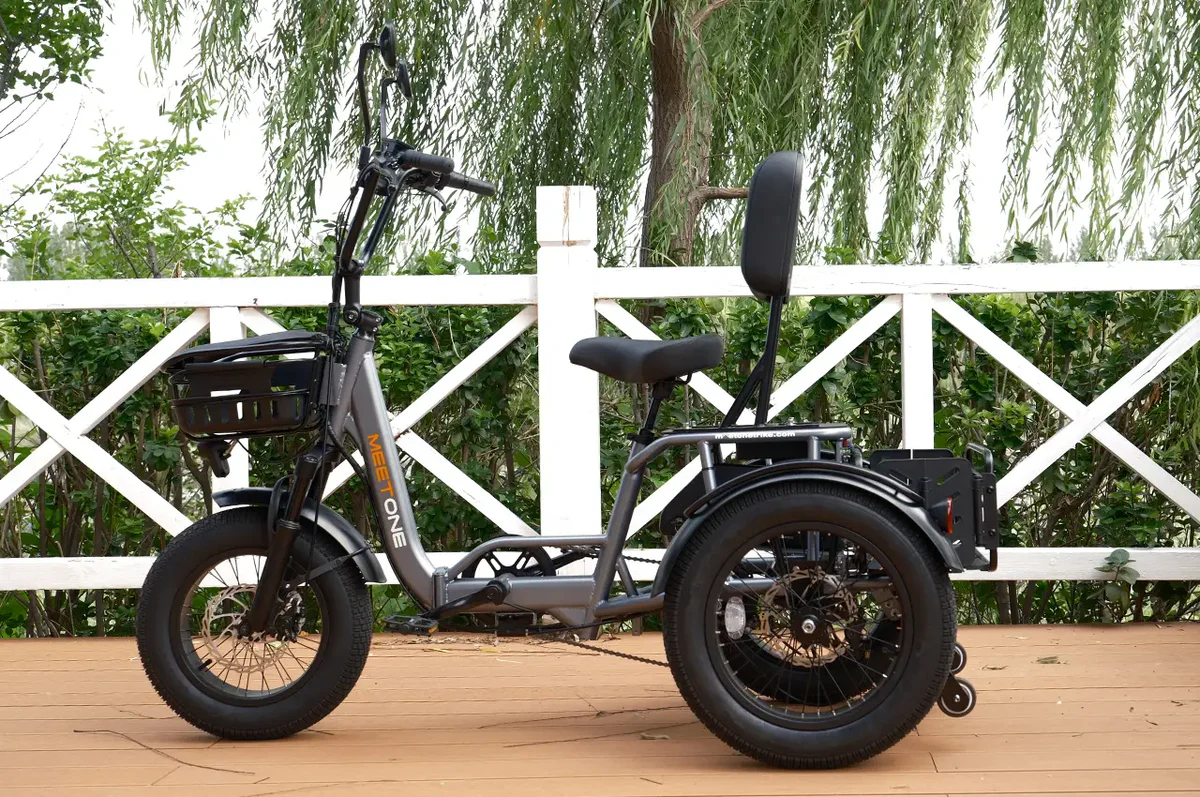
Many seniors face a poignant negotiation about exercise as they age. While their desire for the outdoors does not diminish, their bodies undergo changes that can affect their balance, joints, and cardiovascular fitness, discouraging them from cycling. There is, however, a growing number of cyclists for whom the two-wheeler no longer presents a viable transportation option. The conventional bike has long been a common method of transportation and recreation for cycling enthusiasts of all ages, but it is increasingly being supplanted by a more practical, comfortable, and safer alternative: the Folding Electric Trike.
It’s not just a journey from point A to B. We will delve further into the advantages of this alternative mobility lifestyle, and we can see why the trike for adults has become one of the fastest-growing ways for active older adults to maintain their mobility and overall wellness.
Physical Health Without the Strain
Almost all trikes are pedal-assist, meaning that the electric motor assists the rider when they pedal, but does not do the work of pedaling. They use a battery-powered motor to make pedaling easier.
For seniors, this creates a customizable workout environment:
- Low-impact cardio. If you’ve struggled through months of running and walking workouts because your knees and hips ache, you’re not alone. Fortunately, there’s a low-impact cardio option that’s easier on your joints — cycling.
- As we age, maintaining muscle mass is important. Riding a bike regularly helps keep the muscles in the legs and glutes engaged, which can help combat frailty.
- Adjustable resistance levels to match your daily energy. On some days, you may feel more energetic and be able to work at a lower level of resistance. On other days, when your joints are aching, you may let the resistance of the motor take the workload.
The modern Electric Trike for Adults acts as a versatile tool for longevity rather than a simple replacement for physical effort. By blending the joint-friendly benefits of low-impact cardio with the ability to sustain critical muscle mass, these vehicles provide a tailored fitness solution.
Portability and the Modern Lifestyle
One of the things that annoyed people about tricycles long ago was their size. Apartment dwellers who wanted to ride a bicycle had to settle for a tricycle because they could not manage a two-wheeled bike and did not wish to store a large wheel and fork in their living space. When going on vacation to a distant park or a beach, the bulky tricycle was a nuisance that had to be hauled in a trailer. Again, today’s seniors have benefited from tremendous advances in design and materials science.
You can ride your electric trike to visit friends or run errands. This means that for seniors who love to get out and about, exploring the wider area is now possible. The trikes can be folded away to a compact size and stored in the boot of a family SUV or even in some hatchbacks. So, for the true believer in “active aging,” this opens up a whole new world of places to explore beyond their own street. Imagine being able to take your grandchildren to the coastal boardwalk for an ice cream in the summer, or being able to take your friends away to a national park for a weekend of fun in the countryside.
Mental Well-Being and Social Connection
As people get older and lose some of their physical strength and the ability to move freely as they once did, their social circles tend to shrink, leading to further feelings of isolation and even solitude and loneliness. Electric trikes are great social lubricants, helping ease these feelings for their owners immensely:
- It’s a cool thing, and it’s fun to talk about – it’s an icebreaker.
- Then the other big thing is that it enables interaction between age groups. The trike means the generations can ride and hike together. The gap between them isn’t filled with frustration, but with fun and interaction.
- Recumbent bikes are easier to maneuver than upright bicycles, but there’s more to riding outdoors than just balancing on two wheels. Discovering the science of being in nature is one thing, but it’s hard to fully appreciate how sunlight impacts our bodies or how fresh air lowers cortisol when you’re stuck inside for most of your days.
Using a trike is empowering, too, as many seniors with physical limitations spend much of their time confined to indoor spaces. Suddenly, the ability to ride and experience the rush of moving air about your body can feel incredibly freeing.
Choosing the Right Gear: Quality Matters
When entering the world of e-mobility, it is the brand that decides the safety and quality of your journey. Particularly when you drive a distance from home. Over the years, Hoverfly has specialized in user-friendly yet no less-performing electric vehicles. A central aspect of this is the ergonomic design. The drivers are optimally seated, and the controls are easily accessible. This design is also ideal for people with arthritis or restricted mobility in their hands.
Practical Considerations for New Riders
If you are considering making the switch to an electric trike, there are a few practical elements to keep in mind to ensure a smooth transition:
- Batteries in storage space. If you have a folding lawnmower, you should be aware that storing your old batteries in a storage space can be quite problematic, provided it is not dry and covered. Temperature extremes have a particularly negative impact on the lifespan of storage batteries.
- The battery range refers to the total distance a bike can travel using the battery installed on the frame. You can consider your travel range the distance you typically cover in your daily activities. For example, most senior cyclists will consider a travel range up to 60 miles more than sufficient for running daily errands, leaving plenty of energy for some fun travel as well.
- Local regulations. As far as local regulations, generally, electric trikes are treated like regular bicycles, which means you don’t need a driver’s license or insurance to operate them. Again, we highly recommend confirming with your local municipal codes regarding what is allowed and prohibited on bike paths, as they vary by location.
- Cycling safety tips. Wear a helmet and high-visibility clothing. Cycling on trikes is quieter, and therefore, you will be less visible to other road users. So clothing that makes you more visible to drivers is strongly recommended.
You could also use the trike to visit friends or run to the drugstore. And consider that it could be a fantastic form of preventative medicine.