
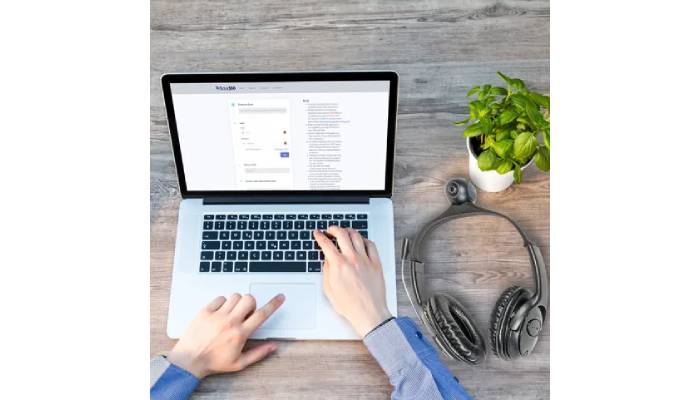
Remote proctoring test technology has revolutionized how educational institutions and certification bodies conduct secure online examinations. These systems monitor test-takers through AI-powered surveillance, screen recording, and identity verification to maintain exam integrity. This comprehensive guide covers everything you need to know about remote proctoring solutions, implementation best practices, and selecting the right platform for your organization.
What Is Remote Proctoring Test?
A remote proctoring test is an online examination system that uses advanced technology to monitor and supervise test-takers from distant locations. The system employs webcam video feeds, screen sharing, microphone audio, and artificial intelligence to detect suspicious behaviors during exams. This ensures academic integrity while allowing students and professionals to take tests from anywhere with internet connectivity.
Modern remote proctoring platforms combine automated AI monitoring with live human proctors for comprehensive oversight. Features include identity verification through photo matching, browser lockdown preventing access to unauthorized resources, and real-time flagging of potential cheating behaviors. Institutions benefit from reduced administrative costs while maintaining examination standards equivalent to in-person testing environments.
Why Remote Proctoring Test Matters for Online Education?
Implementing reliable remote proctoring test solutions from trusted providers ensures your online certifications maintain credibility and value. As distance learning grows exponentially, maintaining exam security becomes critical for institutional reputation and credential recognition. Without proper proctoring, online assessments vulnerable to cheating undermine the value of degrees and certifications.
Remote proctoring expands access to education for students unable to travel to testing centers due to geography, disability, or scheduling constraints. It reduces costs associated with physical testing facilities while enabling flexible scheduling for working professionals. Organizations using robust proctoring systems demonstrate commitment to academic integrity, enhancing their standing with employers and accrediting bodies worldwide.

How Does Remote Proctoring Technology Work?
Remote proctoring systems begin with secure identity verification before exam access is granted. Test-takers present government-issued ID to webcam while AI compares photos to registered profiles. Some systems require 360-degree room scans to ensure no unauthorized materials or persons are present in the testing environment.
During the exam, multiple monitoring layers operate simultaneously. Screen recording captures all activity on the test-taker device while AI analyzes eye movements, background noises, and behavioral patterns for anomalies. Browser lockdown prevents switching tabs, copying content, or accessing prohibited applications. Flagged incidents are reviewed by human proctors who determine if violations occurred. Comprehensive reports document the entire session for institutional records and dispute resolution.
Key Features To Evaluate In Proctoring Platforms
When selecting remote proctoring solutions, prioritize features matching your security requirements and user experience expectations. AI-powered behavior detection should identify suspicious activities like multiple faces in frame, phone usage, or unauthorized persons entering the room. Customizable flagging thresholds reduce false positives while catching genuine violations.
Browser lockdown capabilities must prevent workarounds while remaining compatible with various devices and operating systems. Look for platforms supporting multiple question formats including multiple choice, essays, coding challenges, and practical demonstrations. Scalability ensures systems handle peak testing periods without performance degradation. Integration with existing Learning Management Systems streamlines administration. Detailed analytics and reporting provide insights into exam security trends and potential improvements.
Privacy And Data Security Considerations
Remote proctoring collects sensitive biometric and behavioral data requiring robust privacy protections. Ensure platforms comply with applicable regulations including GDPR, FERPA, and regional data protection laws. Data encryption during transmission and storage prevents unauthorized access to recorded sessions and personal information.
Transparent privacy policies should clearly explain what data is collected, how long it is retained, and who has access. Students deserve information about monitoring scope and their rights regarding recorded footage. Some platforms offer data deletion options after specified retention periods. Balance security needs with respect for test-taker privacy to maintain trust and reduce anxiety about surveillance. Regular security audits demonstrate commitment to protecting sensitive information.
Implementation Best Practices For Institutions
Successful remote proctoring implementation requires careful planning and clear communication with all stakeholders. Establish comprehensive policies defining acceptable behaviors, violation consequences, and appeal processes. Train faculty and administrators on platform features, incident review procedures, and consistent enforcement practices.
Provide students with practice tests familiarizing them with proctoring software before high-stakes examinations. Technical support should be available during exams to resolve connectivity or software issues quickly. Consider offering alternative testing arrangements for students with disabilities or limited technology access. Regular policy reviews ensure practices remain current with evolving technology and educational needs. Document all procedures for accreditation compliance and legal protection.
Conclusion
Remote proctoring test technology enables secure, flexible online assessment while maintaining academic integrity standards. Selecting the right platform and implementing best practices ensures credible certifications that students and employers trust. Invest in quality proctoring solutions to protect your institution reputation and support successful distance learning programs.