
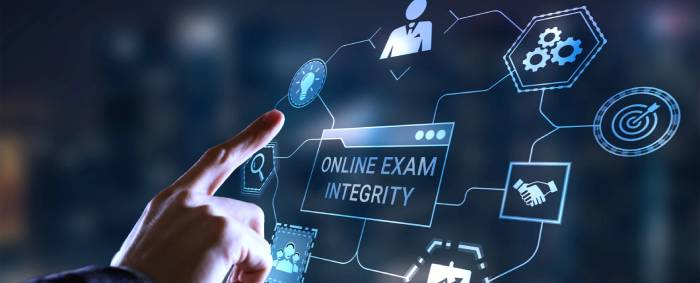
Educational assessment has fundamentally transformed with the advent of digital technologies. Remote proctoring test systems have become essential infrastructure for institutions seeking to maintain academic integrity while accommodating geographically dispersed learners. These platforms utilize sophisticated monitoring mechanisms to ensure that examinations conducted online maintain the same standards of legitimacy as traditional in-person testing environments.
What Makes a Remote Proctoring Test Effective?
A remote proctoring test system combines multiple technological components to create a comprehensive assessment environment. These systems employ computer vision capabilities to monitor test-takers throughout their examination periods. Biometric verification mechanisms ensure that the person taking the test is indeed the enrolled student. Real-time surveillance captures the testing environment, detecting irregular movements or suspicious activities that might indicate academic dishonesty.
Intelligent algorithms analyze behavioral patterns and environmental factors to flag potential violations. The technology integration creates layers of authentication that work synergistically. Institutions benefit from detailed logs documenting every aspect of the testing session. These records prove invaluable when addressing academic integrity concerns or defending assessment legitimacy.
Why Organizations Prioritize Security in Assessment?
Academic integrity represents a cornerstone principle for educational institutions. Compromised assessments undermine the credibility of entire degree programs. Organizations face significant reputational and legal risks if they fail to maintain rigorous testing standards. Students who earned credentials through proper channels deserve recognition that those credentials retain genuine value.
Secure testing environments level the playing field for all participants. Honest students appreciate knowing that their competitors face identical constraints and oversight. Institutions protecting assessment integrity invest in technologies that make cheating substantially more difficult. The deterrent effect alone prevents many students from attempting academic misconduct.
How Security Monitoring Works in Practice?
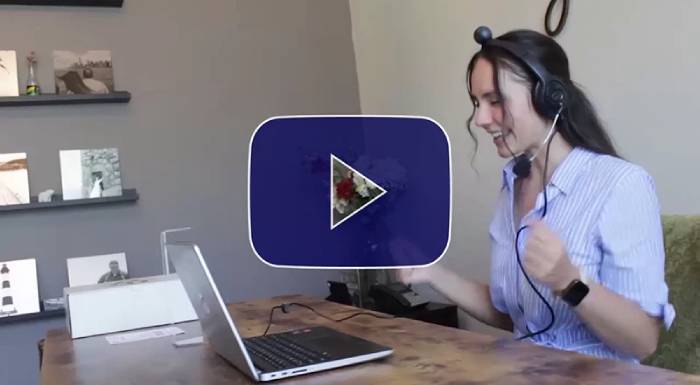
Remote proctoring test implementation requires careful calibration of monitoring intensity. System administrators must balance security requirements against student privacy concerns. Modern platforms capture continuous video and audio feeds throughout examination periods. Software-based proctoring detects when test-takers look away from their screens or cover their webcams.
AI-powered analysis identifies unusual patterns that warrant further investigation. If a student performs dramatically better than baseline metrics suggest, algorithms flag this for manual review. Environmental monitoring detects when additional people enter testing spaces. The combination of automated detection and human review creates robust verification mechanisms.
When Should Institutions Implement Remote Testing Solutions?
Organizations considering remote proctoring test deployment should evaluate their specific circumstances comprehensively. Institutions with limited physical infrastructure benefit substantially from eliminating geographic constraints. Organizations seeking to expand enrollment while maintaining assessment standards find remote testing particularly valuable. The transition typically occurs when institutions develop sufficient technical capacity and infrastructure investment to support remote administration.
Timing considerations include technology readiness, student preparedness, and regulatory compliance requirements. Institutions must train staff extensively before implementation. Students require orientation sessions explaining system requirements and procedures. Regulatory bodies may impose specific requirements for proctored examination administration within particular jurisdictions.
Measurable Outcomes and Implementation Benefits
Institutions deploying remote proctoring test systems report measurable improvements across multiple dimensions. Testing accessibility expands to include working professionals and international students. Operational costs decrease through the elimination of physical test center infrastructure. Assessment flexibility increases as testing schedules can accommodate broader populations.
Data captured through remote proctoring systems provides unprecedented insights into testing patterns. Institutions identify populations struggling with particular subject matter. Performance data informs curriculum development and instructional improvements. The detailed forensic capabilities support evidence-based decisions regarding academic integrity cases.
Technological Infrastructure Requirements
Successful remote proctoring test deployment requires robust technological foundations. Internet connectivity must achieve minimum bandwidth thresholds, ensuring reliable video transmission. Test-taking devices require adequate processing power and updated operating systems. Storage infrastructure must accommodate continuous recording across hundreds of simultaneous test sessions.
Institutions must establish backup systems protecting against technical failures during critical testing windows. Redundant server architecture ensures system reliability and data security. IT support teams require specialized training addressing the remote proctoring system specifics. Comprehensive documentation guides troubleshooting and technical problem resolution.
Conclusion
Remote proctoring test systems represent transformative innovations in educational assessment administration. These technologies enable institutions to expand access while maintaining rigorous integrity standards. The sophisticated monitoring mechanisms embedded within remote testing platforms provide unprecedented verification capabilities. As educational institutions worldwide embrace digital transformation, remote proctoring solutions will likely become increasingly sophisticated and universally adopted across diverse educational contexts and professional certification programs. The convergence of security requirements and technological capability creates assessment environments that protect academic integrity while enabling greater accessibility for geographically dispersed learners seeking credentialed educational experiences.