
Remote proctoring has revolutionized how educational institutions and certification bodies conduct examinations in the digital age. As online learning becomes increasingly popular, the need for secure, reliable testing solutions has never been more critical. This comprehensive guide explores everything you need to know about remote proctoring tests and how they maintain academic integrity while providing flexibility to students worldwide.
What Is A Remote Proctoring Test?
A remote proctoring test is an online examination system that uses advanced technology to monitor test-takers in real-time without requiring physical presence at a testing center. This innovative solution combines artificial intelligence, live human proctors, or a hybrid approach to ensure exam integrity. The system tracks multiple data points including eye movements, screen activity, audio feeds, and environmental scans to detect any suspicious behavior during the assessment.
Remote proctoring tests have become essential for universities, professional certification programs, and corporate training departments. They eliminate geographical barriers while maintaining the same level of security as traditional in-person exams. Students can take their assessments from the comfort of their homes or any quiet location with stable internet connectivity, making education more accessible to people worldwide.
Why Choose Remote Proctoring Test Solutions?
The decision to implement online exam security solutions like remote proctoring offers numerous advantages for both institutions and students. Educational organizations can significantly reduce costs associated with physical testing centers, including venue rental, staff salaries, and logistical expenses. Students benefit from the flexibility to schedule exams at convenient times without traveling long distances.
The scalability of remote proctoring test platforms allows institutions to accommodate thousands of simultaneous test-takers without compromising security standards. Advanced algorithms can flag potential violations instantly, enabling proctors to intervene when necessary. This technology also provides detailed analytics and reports that help educators understand testing patterns and identify areas for improvement in their assessment strategies.
How Does Remote Proctoring Technology Work?
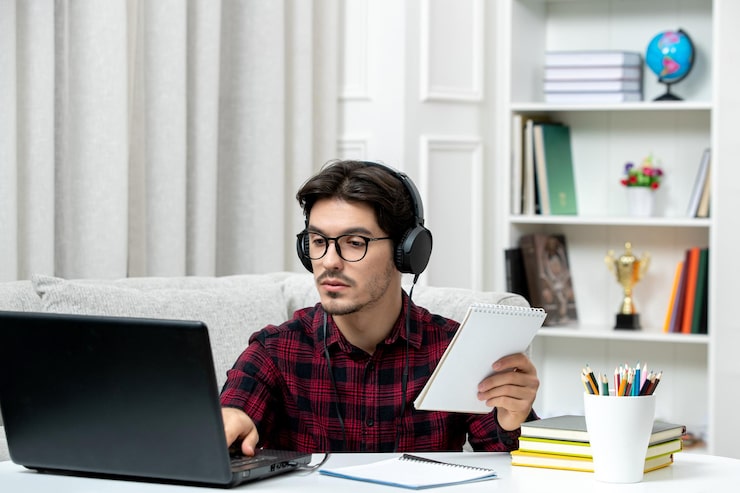
Remote proctoring systems employ sophisticated technology stacks to create secure testing environments. The process typically begins with identity verification, where students present government-issued identification through their webcam. The system then performs facial recognition matching to confirm the test-taker’s identity before granting access to the examination.
Once the exam starts, the software monitors multiple streams of data simultaneously. Screen recording captures all activity on the test-taker’s device, while webcam footage tracks facial expressions and eye movements. Microphone monitoring detects unusual sounds or conversations in the background. Some advanced systems also require 360-degree room scans before the exam begins to ensure no unauthorized materials are present in the testing environment.
What Are The Key Features Of Effective Proctoring Systems?
Effective proctoring platforms share several essential characteristics that distinguish them from basic monitoring tools. Real-time intervention capabilities allow live proctors to communicate with test-takers immediately when suspicious activity is detected. This feature prevents potential violations from escalating and provides clarification when technical issues arise during the examination.
Comprehensive reporting dashboards give administrators detailed insights into each testing session. These reports include timestamps of flagged incidents, video recordings of suspicious moments, and automated risk scores that help reviewers prioritize cases requiring human attention. Integration capabilities with existing Learning Management Systems ensure seamless workflow without requiring students to navigate multiple platforms for their assessments.
How To Prepare For Your Remote Proctoring Test?
Proper preparation is crucial for success in remotely proctored examinations. Students should test their technical setup well in advance of the exam date, ensuring their webcam, microphone, and internet connection meet the minimum requirements specified by the proctoring platform. Running system compatibility checks provided by the proctoring service helps identify and resolve potential issues before exam day.
Creating an appropriate testing environment is equally important. Choose a quiet, well-lit room with minimal distractions and ensure no other people enter during the examination. Clear your desk of all unauthorized materials including phones, notes, textbooks, or secondary devices. Familiarize yourself with the platform’s interface through practice tests or demo sessions offered by many proctoring providers to reduce anxiety and technical confusion during the actual assessment.
Conclusion
Remote proctoring tests represent the future of secure online assessments, balancing accessibility with academic integrity. As technology continues to evolve, these systems will become even more sophisticated in detecting violations while providing smoother user experiences for legitimate test-takers.