
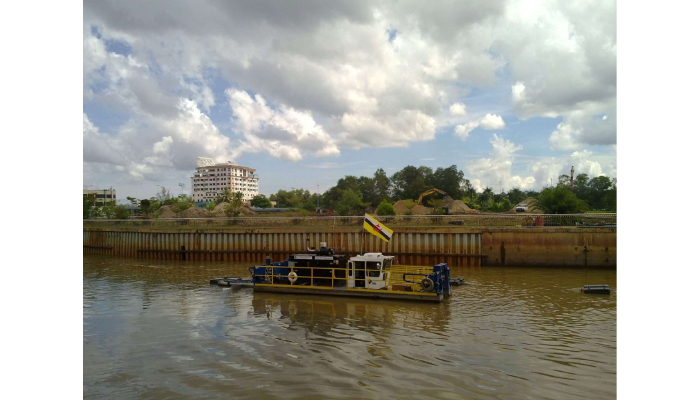
When planning a river dredging project, understanding the factors influencing costs is crucial for staying on budget. Key cost drivers include engineering and permitting expenses, which can vary greatly based on the specifics of the job, like sediment thickness. Mobilization costs are fixed and compound over time. The type of sediment also plays an important role; harder materials demand more powerful equipment, leading to increased fuel expenses. Additionally, daily operating costs for dredgers can range widely, from $1,500 to $20,000, depending on their type and operational needs. By carefully selecting equipment and considering options like renting instead of purchasing, you can manage overall expenditures effectively while maximizing efficiency and project success.
1. Cost Drivers of Dredging Projects
When diving into the costs associated with river dredging equipment projects, several key factors act as significant cost drivers. First up are engineering and permitting costs, which can vary widely based on the specifics of each project. Engaging in thorough engineering and obtaining the necessary permits upfront can streamline operations, reducing delays and unexpected expenses down the line. Mobilization costs also play a crucial role; these fixed expenses for transporting equipment to the job site can add up, especially for long-term projects, making careful planning essential.
Next, the depth and type of sediment significantly influence costs. Thicker and harder sediments typically require more advanced machinery, leading to increased operational and fuel expenses. For example, a project dealing with compacted clay will demand more powerful dredging equipment compared to one that handles loose silt.
Allowable run-times are another factor worth considering. Longer operational shifts can enhance cost efficiency, when dredging equipment operates for extended hours, more work gets done in less time, which can be a game changer for project timelines.
Transport distance is also critical; the cost of moving dredged materials can skyrocket, especially if they need to travel long distances. While hydraulic dredging can effectively transport sediment over these distances, it often requires additional equipment like booster pumps, which can further inflate costs.
Disposal methods can vary widely, and the choice between landfills, settling basins, or other options has a significant impact on overall budgeting. Understanding local regulations regarding disposal is vital for ensuring compliance and avoiding unexpected penalties. Water management is yet another essential aspect, as effective strategies can prevent costly delays and fines, particularly when dealing with contaminated materials.
Seasonal factors cannot be overlooked either, as weather conditions can disrupt dredging operations, leading to potential delays and increased costs. Lastly, compliance with environmental regulations can add to initial costs, but it is necessary to avoid penalties later on. Overall, the complexity of the project, including its size and environmental considerations, can drive costs up significantly, emphasizing the need for careful planning and resource allocation.
- Engineering & Permitting Costs: Initial costs can vary significantly based on project specifics, and proper engineering can streamline timelines and reduce unexpected expenses.
- Mobilization Costs: These fixed costs are critical for transporting equipment. They can be substantial over long-term projects, so planning is essential to manage these expenses.
- Depth & Type of Sediment: The characteristics of the sediment greatly influence costs. Thicker and harder sediments require more advanced equipment, raising both operational and fuel costs.
- Allowable Run-Times: Longer operational shifts can enhance cost efficiency, allowing for more work done in less time, which can be a game changer for project timelines.
- Transport Distance: The cost of transporting dredged materials can escalate quickly, especially over longer distances. Hydraulic dredging offers solutions but may need additional equipment to maximize efficiency.
- Disposal Methods: The choice of disposal method is vital, as costs can vary widely. Understanding local regulations is essential for budgeting effectively.
- Water Management: Effective water management strategies can prevent costly delays and fines, especially when dealing with contaminated materials.
- Seasonal Factors: Weather conditions can impact dredging operations, leading to potential delays and increased costs.
- Environmental Regulations: Compliance with environmental laws can add to initial costs but is necessary to avoid penalties later on.
- Project Complexity: The complexity of a project, including its size and environmental considerations, can significantly drive costs up, requiring careful planning and resource allocation.
 2. Equipment Purchase and Operation Costs
 2. Equipment Purchase and Operation Costs
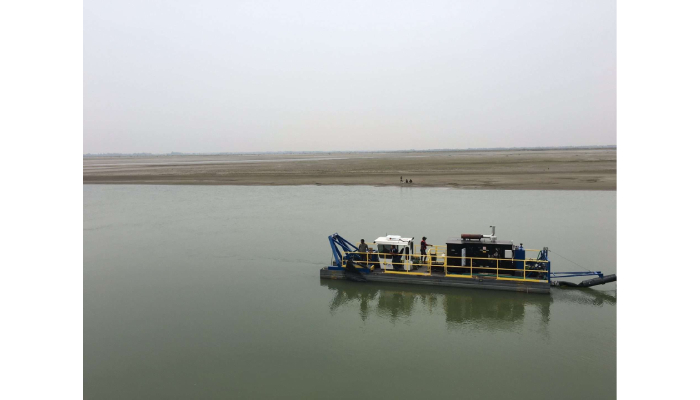
When considering river dredging, understanding equipment purchase and operational costs is essential. For smaller projects, hand-operated dredges are an affordable entry point, costing around $15,000. They are perfect for localized tasks but might not suffice for extensive operations. If your project demands more capacity, small dredge barges, typically priced between $100,000 and $150,000, are indispensable. They offer increased efficiency, making them suitable for larger endeavors.
For those needing flexibility, portable dredges come into play. Their price range, from $500,000 to $2,000,000, reflects their advanced capabilities and versatility. However, it’s crucial to align these options with your specific project needs to avoid overspending.
Operational costs can also vary significantly, with daily expenses ranging from $1,500 to $20,000 based on the dredger type and specific operational circumstances. This variability highlights the importance of meticulous budgeting. Regular maintenance is another factor that can catch you off guard; neglecting it can lead to unexpected expenses down the line.
Fuel consumption is a key player in operational budgets, especially for larger dredgers that may consume substantial amounts over long hours. You should factor in insurance costs as well; having equipment insurance is vital to protect against potential accidents and damages. Additionally, understanding how your equipment depreciates can aid in making informed purchasing decisions.
Financing options are available to alleviate the burden of upfront costs, making equipment acquisition more feasible for smaller companies. Lastly, investing in operator training is essential. Not only does it enhance safety and efficiency, but it also reduces the risk of costly accidents or equipment damage, ensuring your dredging project is as successful as possible.
3. Factors Influencing Dredging Costs
When it comes to river dredging, several factors influence costs significantly. One of the first considerations is the type of dredger you choose. Mechanical, hydraulic, cutter suction, and amphibious dredgers each have their own price points and efficiencies based on the specific needs of your project. For example, hydraulic dredgers excel at handling soft materials, while cutter suction dredgers are better equipped for tougher sediments, impacting both effectiveness and cost.
Project size and scope also play a crucial role. Larger projects often require more powerful and expensive equipment, which leads to a higher initial investment along with increased operational costs throughout the project. Material characteristics are another key factor; soft sediments are generally easier and cheaper to dredge than harder materials, which can lead to additional wear and maintenance costs, raising the overall budget.
Labor and fuel costs are ongoing expenses that can significantly affect project budgets. Skilled labor is essential for effective dredging operations, and as fuel prices fluctuate, they can add unpredictability to your financial planning. Regulatory compliance is another layer of complexity, meeting various standards can increase costs and necessitate careful planning to avoid delays.
Weather conditions can’t be overlooked either. Adverse weather can lead to project delays, causing costs to rise, so having contingency plans in place is vital. Market demand also influences pricing; fluctuations in the need for dredging services can impact costs, making it wise to stay informed about industry trends.
Local infrastructure plays a part too. Proximity to resources and facilities can affect costs, especially in remote areas where logistics become more challenging. Additionally, advancements in technology can improve efficiency and potentially lower costs, although they often require a higher initial investment. Finally, the selection of a contractor is crucial, experienced contractors can provide better value through efficiency and expertise, ultimately affecting your bottom line.
4. Cost Management Strategies
Choosing the right dredger for your project is key to staying within budget and boosting productivity. Each dredger type has unique strengths, so aligning the equipment with your specific needs can prevent unnecessary expenses. For instance, if your project requires infrequent dredging, consider renting equipment instead of purchasing it. This option cuts out maintenance costs and ownership-related expenses, making it a smart financial choice for short-term projects.
Additionally, reusing dredged materials can be a game-changer. If local regulations permit, this practice can drastically lower disposal costs while promoting sustainability. Hiring experienced consultants can also help streamline your project. Their expertise in equipment selection and project planning can lead to smarter spending and improved outcomes.
Implementing technology for project management is another effective strategy. Using software to track costs and efficiencies can help you avoid budget overruns. Regular maintenance of your dredging equipment is crucial to prolong its lifespan and prevent costly breakdowns, ensuring that your investment continues to pay off.
Cost tracking systems are essential for pinpointing areas where overspending may occur. Being proactive about your budget can save you money. Negotiating contracts with suppliers and contractors can also lead to better rates and terms, ultimately lowering your project costs. Lastly, developing contingency plans for unexpected issues can help you stay on track and avoid additional expenses, making your projects not only successful but also financially savvy.
Frequently Asked Questions
What is river dredging equipment used for?
River dredging equipment is used to remove sediment, debris, and other materials from the riverbed. This helps maintain water flow, improve navigation, and can enhance the river’s ecosystem.
How does the size of dredging equipment affect its performance?
The size of the dredging equipment can greatly impact its efficiency and capacity. Larger equipment can remove more material at once, while smaller equipment is better for tight areas or delicate environments.
What types of dredging methods are commonly used?
Common dredging methods include mechanical dredging, which uses buckets or clamshells, and hydraulic dredging, which uses suction to pull material from the river. Each method suits different tasks and environments.
Are there environmental concerns with river dredging?
Yes, river dredging can disturb habitats, affect water quality, and impact fish and plant life. It’s important to follow regulations and use best practices to minimize these effects.
What maintenance is needed for dredging equipment?
Dredging equipment requires regular inspections and maintenance like checking hydraulic systems, cleaning out debris, and ensuring moving parts are lubricated. This helps keep it running smoothly and effectively.