
Learn how robotic knee replacement surgery works, its benefits, who qualifies, and what to expect before and after the procedure, including recovery tips and long-term outcomes.
Robotic Knee Replacement Surgery
Robotic knee replacement surgery is transforming how surgeons treat severe knee arthritis and joint damage, offering greater precision and more consistent results than many traditional methods. This article explains what robotic knee replacement surgery is, how it works, its benefits and risks, and what patients can expect before and after the operation. By the end, you will have a clear, practical understanding to help guide informed discussions with your orthopedic surgeon.
Robotic Knee Replacement Surgery: What It Really Means?
Robotic knee replacement surgery is a type of knee replacement where the surgeon uses a robotic-assisted system to plan and perform the procedure with a very high level of accuracy. Instead of the robot acting on its own, the surgeon remains fully in control while the robotic arm or system helps guide bone preparation and implant placement according to a personalized plan.
In most cases, a detailed 3D model of the patient’s knee is created from imaging studies, such as CT scans, before surgery. The robotic system uses this 3D map to help the surgeon remove only the damaged bone and cartilage and place the artificial components in the most suitable alignment for that specific knee. This personalized approach aims to improve how the new joint moves, feels, and lasts over time, compared with a “one-size-fits-all” method.
Robotic Knee Replacement Surgery And Its Main Benefits?
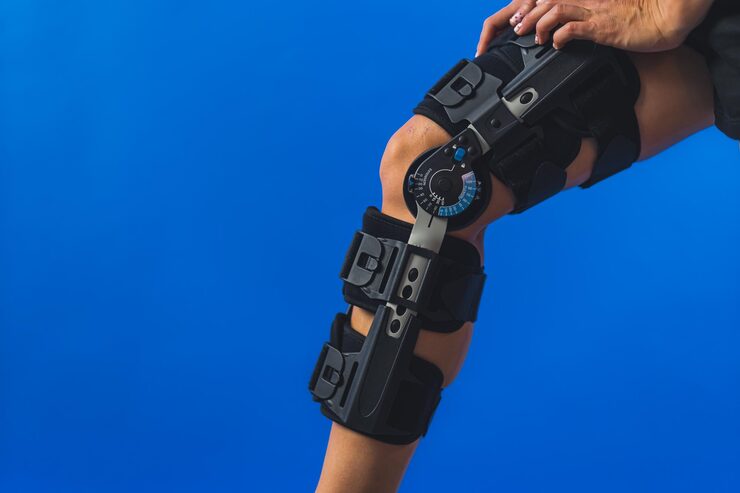
Robotic knee replacement surgery offers several potential benefits that are especially important for people who want reliable, long-term improvement in pain and function. One of the biggest advantages is more accurate implant placement, which can improve joint alignment and stability and may reduce the chances of early implant wear or the need for revision surgery in the future.
Who Is A Good Candidate For Robotic Knee Replacement Surgery?
Not everyone with knee pain needs or qualifies for robotic knee replacement surgery, but it can be an excellent option for many people with advanced joint damage. Generally, candidates are adults whose knee arthritis or degeneration causes significant pain, stiffness, and loss of function, and who have not had enough relief from non-surgical treatments like medications, injections, physical therapy, or activity modification.
People with osteoarthritis, rheumatoid arthritis, post-traumatic arthritis, or other forms of severe cartilage loss may be considered if imaging shows substantial damage to the joint surfaces. Symptoms often include pain with walking or climbing stairs, difficulty standing for long periods, and pain that interferes with sleep or daily activities. When these issues are persistent and limit quality of life, a robotic-assisted knee replacement may be discussed as a next step.
What Happens Before, During, And After Robotic Knee Replacement Surgery?
Understanding the full journey around robotic knee replacement surgery helps patients feel more prepared and less anxious about the experience. Before surgery, the orthopedic team will take a detailed medical history, perform a physical exam, and order imaging studies, which may include specialized scans to create a 3D model of your knee. You will also receive instructions about medications, pre-operative exercises, fasting before anesthesia, and how to arrange help at home after the procedure.
How Does Recovery From Robotic Knee Replacement Surgery Usually Progress?
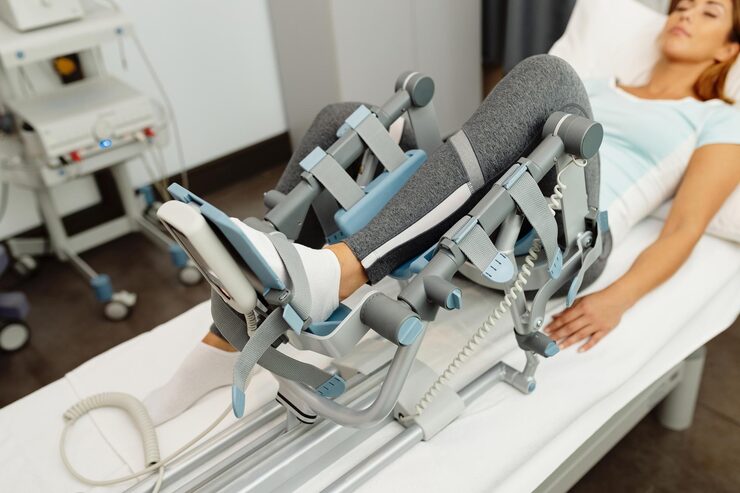
Recovery after robotic knee replacement surgery varies between individuals, but many patients experience steady improvements over weeks to months. In the first few days, pain and swelling are common, yet they are typically managed with medications, ice, elevation, and early mobility under professional guidance. The goal during this period is to protect the new joint while preventing stiffness and muscle weakness.
Conclusion
Robotic knee replacement surgery brings advanced planning and precise guidance to a well-established operation, aiming to improve accuracy, personalization, and long-term joint function. For many people with severe knee arthritis or joint damage who have not improved with non-surgical treatments, this approach can offer meaningful relief from pain and a return to more comfortable daily movement.