
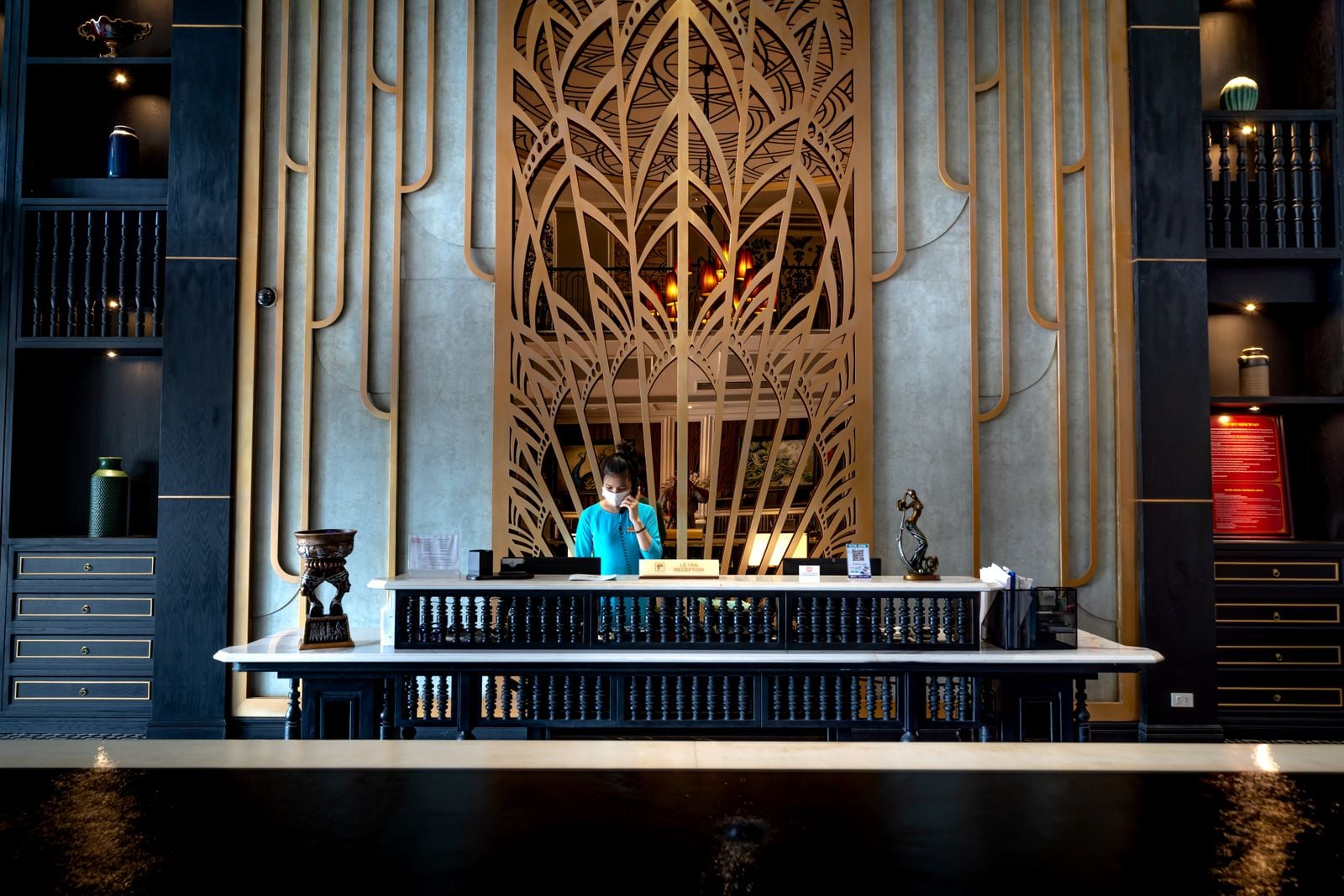
The best luxury hotel perks are not a secret handshake. They are a well-written brief, sent early, to one person who can act on it. Sleep setups, wardrobe pressing, off-menu dishes and pet arrangements all sit inside a good hotel’s normal capacity. What unlocks them is specificity, notice and one senior contact coordinating the request.
Most guests never get these things because they never ask in a way a hotel can execute. “Make it special” gives housekeeping, the kitchen and the concierge nothing to work with. “I sleep lightly, I land after an overnight flight, and I need the room cool, dark and fragrance-free” gives three departments a checklist. That is the entire difference between the published menu and the unlisted one.
An upgrade is only one item on that menu. We covered the mechanics of asking for one in our guide to hotel upgrade requests that work. This guide covers everything else the hotel can quietly do for you, with the exact wording to copy.
What are secret hotel perks, exactly?
They are services a property can deliver but does not print in the guest directory. The directory lists spa hours and room service standards. It does not list a room recalibrated for deep sleep, a wardrobe restored while you are at dinner, or a childhood dish rebuilt from a description. Those live in the hotel’s discretionary capacity, shaped by staffing, timing and the judgment of the concierge.
None of this is conspiratorial. A published benefit becomes an entitlement that guests compare and demand. An unlisted service lets the hotel interpret a preference and respond personally, and it protects quality. A kitchen cannot promise every guest an improvised family recipe. A spa cannot guarantee a specific practitioner or piece of equipment on every date. So the hotel keeps the capacity quiet and spends it on guests who ask clearly and early.
How do you ask for a sleep setup?
Pillow menus are the shallow end. Serious sleep programs combine pillow composition, mattress toppers, blackout preparation, circadian lighting, aromatherapy, humidity, sound and turndown timing. Rosewood Mayakoba, for example, has documented an approach that includes circadian lighting, specialized pillowcases, sleep aromatherapy and a curated music menu. But note the detail every experienced traveler learns: the right pillow matters less than a quiet room away from elevators and service areas. Ask for both.
One caution from the source material. Fragrance needs an explicit yes. Essential oils can trigger asthma, migraines and allergies, so a good hotel will not diffuse anything in your room without clear instructions. If you want a scent-free room, say so. If you want aromatherapy, name it.
Copy this wording:
“Could housekeeping prepare the room for light-sensitive sleep, with firm synthetic pillows, no fragrance and the quietest available location away from elevators? I arrive after an overnight flight and sleep lightly.”
How do you ask for wardrobe help on arrival?
At hotels with butler service, an accomplished arrival can include unpacking, hanging garments, arranging shoes and sending travel-worn clothes out for pressing, then repacking everything before you leave. The catch is knowing what is included. Unpacking often comes with a suite or a butler-serviced room category. Pressing and laundry usually carry separate charges, and express or overnight turnaround depends on the garment and whether cleaning happens on site.
The move that makes this work is a wardrobe brief sent ahead. If you land at 5 p.m. with dinner at 8 p.m., tell the hotel which clothes are the dinner clothes and pack them where staff can find them fast. Delicate fabrics, couture, vintage pieces and anything with unusual construction need explicit handling instructions.
Copy this wording:
“My evening clothes will need attention immediately after arrival. Does my room category include unpacking, and can the hotel arrange priority steaming or pressing before 7:30 p.m.?”
Can a hotel kitchen cook something that is not on the menu?
Yes, with notice and a workable brief. The strongest hotel kitchens have a capacity the room service menu hides: they can listen. With enough lead time, a chef may prepare a simple congee after a hard flight, recreate a child’s preferred pasta, adapt a regional comfort dish, or build a meal around a medical dietary restriction.
The request fails when it is vague. “A soup like my grandmother made” is charming and useless. A note saying it was a clear chicken broth with rice, ginger and scallion, with no dairy, is a brief a kitchen can execute. A photograph or the family recipe helps even more. Twenty-four hours is usually adequate for accessible ingredients. Rare products, intricate preparations and strict allergen protocols can require several days, and cross-contamination risks should always be discussed directly with the culinary team.
Copy this wording:
“Would the kitchen be willing to prepare a simple off-menu dish tomorrow evening? I can send the recipe and the dietary requirements today.”
What can you ask for your pet?
Pet friendly at the luxury level now goes well past a bowl by the minibar. At selected hotels the concierge can coordinate dog walking, grooming, veterinary contacts, pet sitting, bedding and meals tailored to the animal’s established diet. The Peninsula Chicago, to give one documented example, publicly offers pet walking and room-service menu for dogs and cats.
Bring the paperwork that makes this safe: written feeding instructions, medication details, emergency contacts and honest notes on temperament. Ask about size restrictions, cleaning fees, designated pet areas and rules for restaurants and public rooms. And resist the novelty order. Sudden diet changes upset animals, so a familiar diet reproduced faithfully beats a celebratory dish every time.
Copy this wording:
“My dog eats a veterinarian-approved diet of specific ingredients. Can the kitchen reproduce it, or may I arrange delivery and refrigerated storage?”
What can you ask the wellness team beyond the spa menu?
Luxury hotel wellness now extends past the treatment list. At properties with serious spa infrastructure, guests can often organize private movement sessions, recovery therapies, nutritional planning and in-room wellness setups built around sleep, jet lag or training. Aman New York shows the scale: its published program includes individualized assessments, private fitness sessions, nutritional planning, infrared sauna, cryotherapy and consultations that can involve medical specialists. The advantage is integration, so treatment, food, movement and recovery run as one itinerary instead of scattered appointments.
Smaller asks work too. A Theragun, yoga equipment, an air purifier or a humidifier can often be in the room before you arrive if you ask ahead, though availability varies and hotels sometimes source equipment through outside partners. One hard line: in-room IV therapy is a medical service, not a spa add-on. Request it only through appropriately licensed medical providers, under local law and hotel policy.
Copy this wording:
“I am arriving after a long-haul flight and would like a recovery-focused setup. Could the wellness team recommend what can be arranged in the room and at the spa?”
Which perks are complimentary, and which get charged?
The honest split, based on how these services are typically handled:
Usually complimentary or included:
- Pillow selection, blackout and fragrance-free room preparation
- A quiet room location request, honored when inventory allows
- Unpacking, when your suite or room category includes butler service
- Small in-room equipment already on property, such as a humidifier or yoga mat
Usually charged:
- Pressing, steaming and laundry, especially express service
- Custom or off-menu food beyond a simple preparation
- Private training and specialist wellness sessions
- Medical services of any kind
- Pet extras such as grooming, sitting and freshly cooked pet meals
- Equipment sourced from outside partners
The rule that protects you is simple: ask for the price before you confirm, every time. Hotels expect the question, and the concierge would rather quote you than surprise you.
When should you send the brief, and to whom?
Timing is the multiplier. Write to the concierge seven to fourteen days before arrival for a complex stay. That window covers dining, wardrobe, wellness and itinerary coordination. Scarce reservations, medical providers, custom products and major celebrations need several weeks. Simple food requests can work on twenty-four hours if the ingredients are ordinary.
Send one brief to one person, ideally the concierge or a senior contact, and let them coordinate the departments. A page of ranked priorities beats a stream of separate messages to reservations, the spa, the restaurant and the front desk. Introduce the travelers, give the purpose of the trip, separate necessities from preferences, and name the two or three things that matter most.
The booking channel matters too, because it decides which benefits attach to the reservation automatically and whether the hotel sees a named advisor contact before you arrive. Advisor programs such as Virtuoso, Hyatt Privé, Four Seasons Preferred Partner and Amex Fine Hotels + Resorts can add breakfast, property credits and upgrade priority. We compared two of the main routes in Virtuoso vs booking direct, and the direct-booking math in book hotel direct vs third party. None of these programs guarantees unlimited favors. What they do is flag your reservation and give the hotel your documented preferences before check-in, which is exactly when the unlisted menu gets decided.
Copy this master brief:
“We arrive at 2 p.m. after an overnight flight. Quiet sleep and a seamless dinner are our priorities. We would appreciate a fragrance-free room away from elevators, pressing for two dinner garments by 7 p.m., and the concierge’s recommendation for a relaxed first evening. Please let us know what can be confirmed and what carries an additional charge.”
That last sentence is doing quiet work. It signals standards without entitlement, and it invites the hotel to tell you precisely what is possible. Request fewer things with greater precision, and the stay starts to feel effortless, because you and the hotel did the work in advance.
