
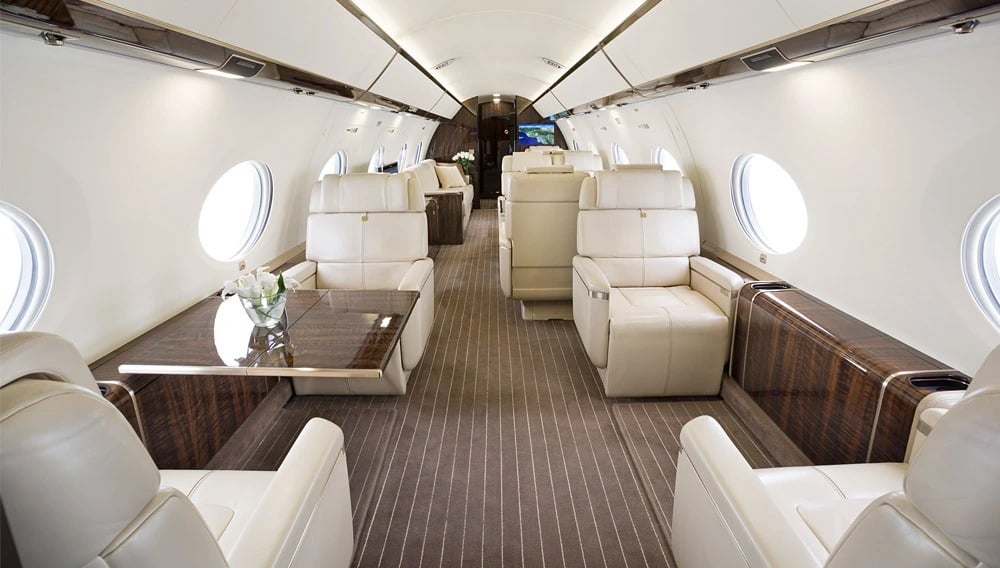
The pitch is irresistible: book one seat on a private jet, skip the terminal, arrive 20 minutes before departure. For years this was a rich person fantasy. Now JSX sells it from $149 and Aero runs a Four Seasons shuttle to Maui. So is the semi-private flight worth it, or is it just expensive marketing?
I fly the LA corridors where both brands operate, so here is the honest breakdown.
What semi-private actually means
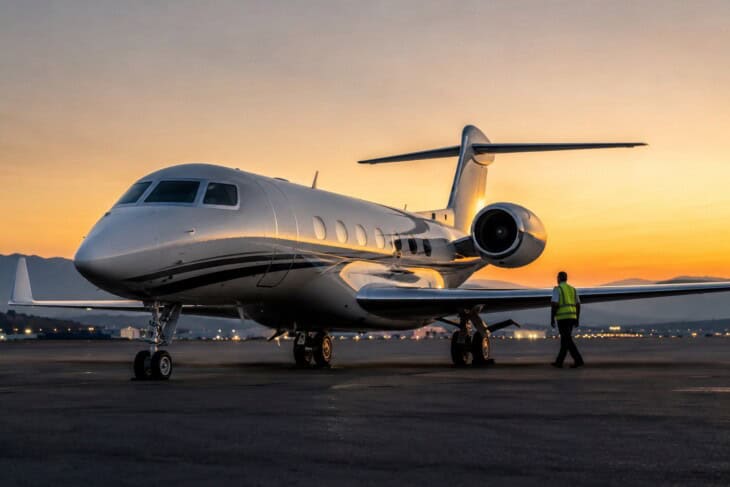
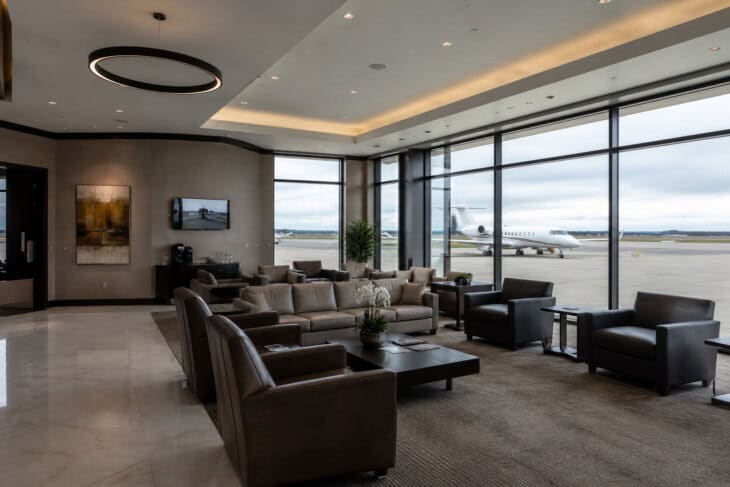
Semi-private airlines sell individual seats on scheduled flights that use private terminals (FBOs) instead of airport terminals. You get the private aviation logistics, the boutique waiting room, the walk across the tarmac, without chartering the whole plane.
The two names that matter:
- JSX flies 30-seat jets and turboprops in roomy all-business layouts. It pitches itself as the option for the wealthy but not ultra-rich flyer, with fares commonly $150 to $300 one way on short routes, rising past $1,000 on peak or long sectors.
- Aero is the overtly luxury end. Its Embraer ERJ-135s are reconfigured to just 16 seats, with design-heavy cabins, fares typically $800 to $1,000 per flight hour, often above first class pricing.
Upgraded Points and other guides describe Aero's experience as closer to a true private jet, while JSX intentionally strips some luxury away to keep prices near commercial business class levels. That framing is accurate.
The real pricing in 2026
JSX made headlines by winning a lease at Santa Monica Airport and launching all-business-class ATR 42-600 turboprop service to Las Vegas from $149 one way. The ATRs carry 30 wide business-style seats, include two checked bags, free snacks and cocktails, and free Starlink Wi-Fi. One-way fares on routes like Santa Monica to Scottsdale have been spotted at $215, and JSX ran $49 companion fares to Vegas, Napa, Scottsdale, and Oakland.
Across the network, JSX fares run from $79 on the lowest-priced promos to the $150 to $300 sweet spot on short routes like Burbank to Las Vegas or Orange County to Reno. Peak and longer sectors push past $1,000.
Aero is a different universe. Its 16-seat ERJ-135s run around $975 on shorter routes per luxurycheckin data. For the 2026 ski season, Aero shifted Utah service to Heber Valley Airport near Deer Valley, with Friday and Monday flights starting at $1,400 one way. And the headline act: a weekly Gulfstream IV shuttle between Van Nuys and Maui in partnership with the Four Seasons Resort Maui at Wailea, starting around $5,495 one way, with Erewhon catering, open bar, and Starlink.
What you actually get
The core value is not the seat. It is the airport experience. JSX passengers use FBOs, not terminals. Security screening is seamless, you arrive 20 minutes before departure instead of two hours, and you board across the tarmac. For the LA to Vegas run, that turns a four-hour door-to-door ordeal into roughly 90 minutes of actual travel.
On board, JSX's 30-seat layouts mean no middle seats, wide seats with real legroom, and free Starlink that actually works. Two checked bags are included, golf clubs and skis included. It is a first class product at a business class price on many routes.
Aero adds the theater: 16 seats, chef driven catering, a cabin that feels like a private jet because it nearly is one. At $1,400 to $5,495 a seat, you are paying for the feeling as much as the transport.
The math: when it is worth it
JSX is worth it when the fare matches or beats commercial first class on the same route. A $149 to $250 JSX ticket against a $400 domestic first class ticket is an easy win: better seat, FBO experience, arrive 20 minutes before. Even against a $150 economy ticket, the two hours of airport time you get back is worth more than the difference for most professionals. JSX's own pitch is time, not luxury, and on short hops the math holds.
Aero is worth it in a narrower set of cases: peak ski season into a mountain airport where commercial options are miserable, or the Maui shuttle if you were going to pay for Four Seasons anyway and value the seamless curb to resort journey. At $800 to $1,000 a flight hour, Aero rarely wins on pure economics. It wins when the experience is the point.
If you are comparing against a full charter, both are absurdly good value. A light jet charter from LA to Vegas runs several thousand dollars for the whole plane. Booking one $200 JSX seat is the private jet experience without the private jet tour price tag, which is the whole genius of the model.
When it is NOT worth it
Skip JSX if the fare is the same as the best first class cabins on a route with a decent lounge and short lines. Skip it if you are price sensitive and the economy fare is a third of the JSX fare; the time savings are real but not infinite.
Skip Aero unless the money is genuinely secondary. At $1,400 one way to Utah, you are paying roughly $1,000 for vibes. Nothing wrong with that, but call it what it is.
Also note the regulatory reality: JSX operates under Part 380 as a public charter using aircraft chartered from a wholly owned subsidiary operating under Part 135, not the stricter Part 121 rules of big airlines. That is how the FBO model works legally, and it has drawn scrutiny. If ultra strict safety equivalence matters to you, know the structure.
And the Santa Monica caveat: SMO's runway is 3,500 feet and the city plans to close the airport after December 31, 2028, though JSX secured its lease through 2028. If you are booking far ahead, the longer term SMO network is not guaranteed.
My verdict
JSX at $150 to $300 is the best value in premium domestic travel right now. It is the rare product that is both a better experience and a better use of time than the alternative. If a route you fly has JSX service, try it once and you will be ruined for the terminal.
Aero is worth it only when you want the private jet theater and can afford the ticket without flinching. For everyone else, it is a special occasion splurge, not a strategy.
The bottom line: semi-private flying is not a scam. It is a real arbitrage between commercial misery and charter pricing. JSX owns the value end, Aero owns the fantasy end, and the answer to whether it is worth it depends entirely on which end you are buying.
If the airport experience matters to you at all, start with JSX on a route like Burbank to Vegas. Then tell me you want to go back to Terminal 1.
H2 quick answers
How much do semi-private flights cost?
JSX typically runs $150 to $300 one way on short routes, with promos as low as $79 to $149. Aero runs $800 to $1,000 per flight hour, with routes like Van Nuys to Park City starting at $1,400 one way and the Maui G-IV shuttle at $5,495.
Do you go through TSA on JSX?
JSX uses private terminals with its own seamless security screening, so you skip the commercial TSA lines. Arrive about 20 minutes before departure.
Is JSX safer than a regular airline?
JSX operates under Part 380 public charter rules using aircraft under Part 135, a different regulatory framework than Part 121 commercial airlines. It is fully legal and regulated, just structured differently to allow the FBO model.
